Moroccan farm exports under pressure in Spain amid boycott calls and blocked trucks
Moroccan agricultural products are facing mounting pressure in the Spanish market, with calls for a consumer boycott and the interception of Moroccan trucks, the Moroccan outlet Attasiaa reported. Growers are asking for protection for their shipments. The report does not quantify the volumes or number of vehicles involved.
Boycott calls and intercepted trucks
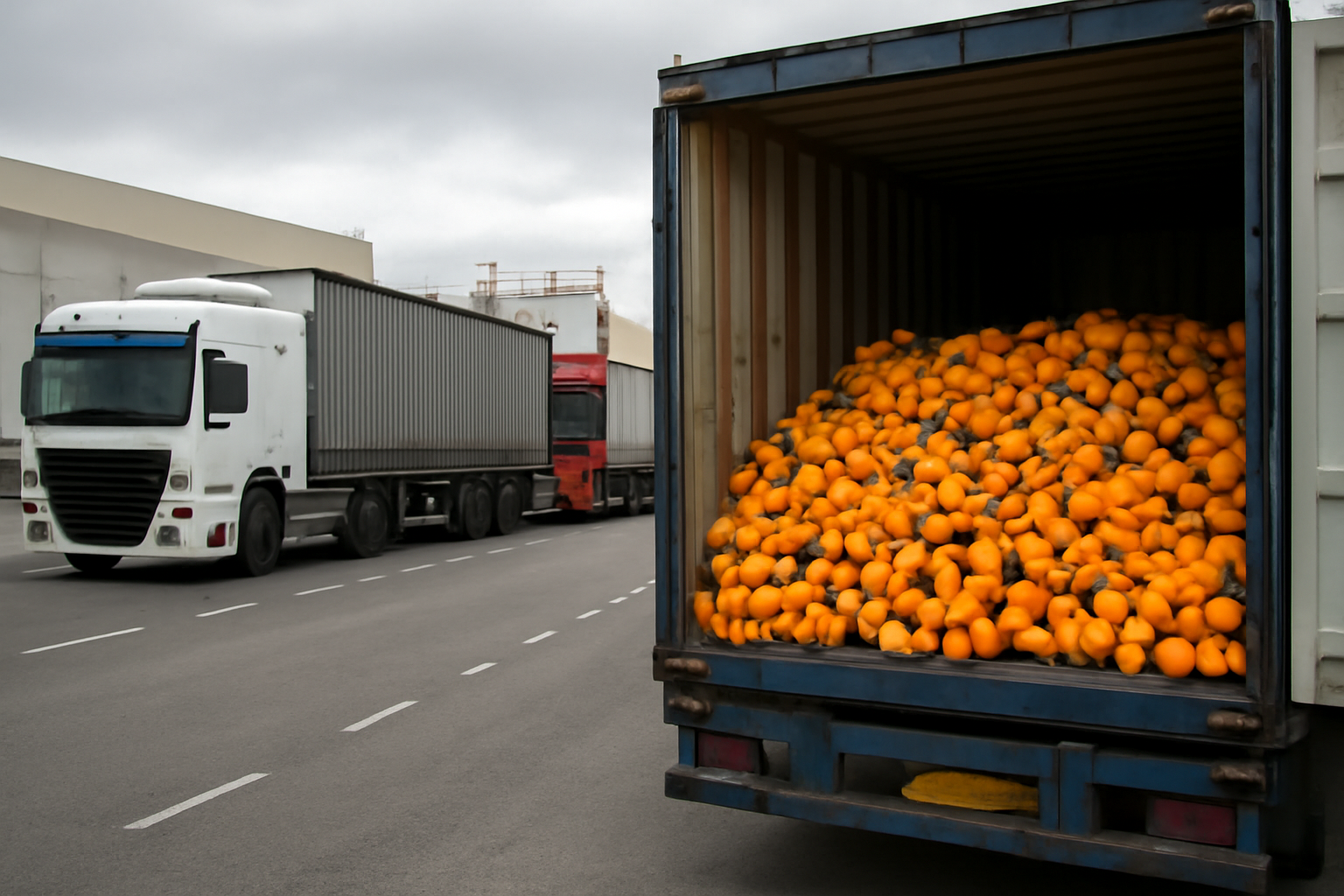
Moroccan agricultural products are under growing pressure in the Spanish market, with calls for a consumer boycott and the interception of Moroccan trucks prompting farmers to ask for protection, the Moroccan outlet Attasiaa reported. Spain is both a destination market for Moroccan fruit and vegetables and a road corridor for shipments continuing into the rest of Europe, so friction there touches the commercial and the logistical side of the trade at the same time.
Attasiaa describes two distinct pressures running in parallel. The first is commercial and reputational: public appeals urging Spanish consumers and buyers to avoid Moroccan produce. The second is physical: Moroccan trucks being stopped or obstructed while carrying goods. Taken together, the outlet reports, they have raised concern among Moroccan growers, who see a challenge to their position in one of their closest markets rather than an isolated incident.
Growers ask for protection
The central demand in the report is protection for Moroccan agricultural exports. Attasiaa does not specify which instruments growers want, whether diplomatic intervention, secured or rerouted transport, compensation for damaged and delayed loads, or legal action against those blocking vehicles. The report also does not name the organisations behind the boycott calls, the regions where trucks were intercepted, or the produce categories carried in the affected loads.
That absence of detail is itself commercially relevant. Exporters facing an undefined risk on a defined route tend to price it conservatively, and the buyers on the other side of the contract do the same. Uncertainty over passage is usually reflected in freight quotations and contract terms well before it shows up in official trade data.
Why perishables are exposed
Fruit and vegetables are the most time-sensitive cargo on any route. Value erodes by the hour once a refrigerated load is delayed, and a broken cold chain can write off a consignment outright without any change in tariffs, quotas or licensing. For traders, obstruction at road level works as a cost shock that arrives far faster than any policy measure and is far harder to hedge, because it hits individual loads rather than whole seasons.
Several points remain open in the reporting:
- the volumes and product categories affected, which Attasiaa does not quantify;
- how many trucks were stopped, where, and over what period;
- the response of the Spanish and Moroccan authorities to the obstruction;
- whether the boycott calls have produced measurable changes in retail or wholesale purchasing.
What the market will watch
Until volumes are published, the practical signals for the sector are freight behaviour and shelf prices. Hauliers adjusting routes or raising rates on Morocco to Spain runs, insurers repricing cargo cover, and any move in Spanish wholesale quotations for competing domestic produce would all indicate that the friction described by Attasiaa is having a measurable market effect rather than a rhetorical one.
For now the story sits in the political economy of the trade rather than in the numbers. Moroccan growers are asking for protection, campaigners in Spain are asking consumers to switch, and no party has yet put a figure on how much produce has actually been held up.