Moldova's Parliament Backs Licensing of Ukrainian Grain Imports in First Reading
All 83 deputies present in Moldova's Parliament voted in first reading for a draft law introducing licensing of grain imports from Ukraine. The authors had proposed a four-month regime; parliament settled on two months amid government warnings about effects on milling, baking and livestock costs. Transit of Ukrainian grain through Moldova continues at a tariff reduced by 50%.
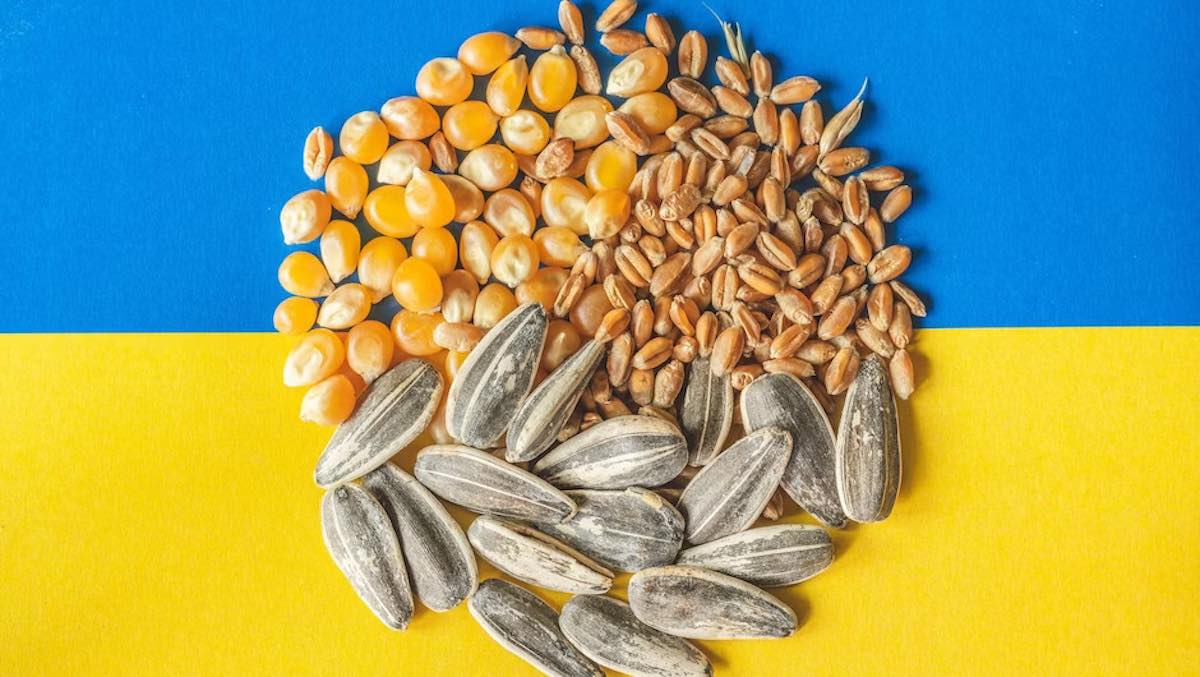
Parliament approves licensing in first reading
The Parliament of the Republic of Moldova has approved in first reading a draft law introducing licensing for grain imports from Ukraine. The measure was backed by all 83 deputies present at the sitting, according to evz.ro, which cites the Moldovan broadcaster TV8. Its declared purpose is the protection of domestic agricultural producers.
The initiative addresses Moldovan farmers who are facing difficulties in selling their own harvests amid the pressure exerted by grain arriving from Ukraine. A licensing regime does not amount to an outright ban: it makes imports conditional on administrative authorisation, giving the state control over the volume and the timing of grain entering the country. For Ukrainian exporters, Moldova is a comparatively small destination, but the unanimous vote signals how sensitive the neighbouring market has become to inflows from Ukraine.
Four months proposed, two months voted
The authors of the draft had initially proposed that import licensing apply for four months. Parliament opted instead for a period of two months. The decision came against the background of concerns over the possible effects on prices.
A longer restriction on imports could influence costs for companies that use grain as a raw material and, ultimately, the prices paid by consumers, evz.ro reports. Duration is therefore the central variable in the draft: the shorter the window, the more the measure functions as seasonal cover for the selling period rather than a lasting change in Moldova's import regime. The gap between the four months requested and the two months voted is the clearest indication of how far parliament was prepared to go against the warnings on price effects.
Farm revenues against processing costs
Sergiu Ivanov, a deputy and farmer who authored the draft, argues that the absence of protective measures for local producers risks aggravating the situation in the agricultural sector. In his view, farmers trying to sell their grain risk ending up in a difficult financial position, because market prices would not sufficiently cover their costs.
Deputies of PAS drew attention to the position of the government, according to which licensing maintained for a longer period could produce effects in other sectors of the economy as well. Among the areas that could be affected are livestock farming, the milling industry and baking. Reduced access to imported raw material could generate additional costs, which would subsequently be reflected in product prices. Millers, bakers and livestock producers are buyers of grain rather than sellers, and their interest runs directly counter to that of growers: cheaper imported raw material lowers their input bill.
Transit continues at a halved tariff
At the same time, the government recently allowed the transit of Ukrainian grain through the Republic of Moldova at a tariff reduced by 50%. The executive maintains that this measure will not affect local agricultural producers or prices on the domestic market. According to the authorities, rail consignments will be sealed for the duration of the transit, so that the grain is not unloaded in the Republic of Moldova.
The two decisions point in opposite directions only in appearance. Licensing concerns grain that would enter the Moldovan market and compete with local harvests; sealed transit concerns grain that only crosses the country on its way to other destinations. Moldova is treating its function as a corridor separately from its function as a market, and the sealed-wagon requirement is the mechanism that keeps the two apart.
The draft on import licensing is to be examined in second reading. Parliament will then decide the final form of the measure and the period for which it will apply. Until that vote, both the duration and the practical conditions for issuing licences remain open. Whether the two-month term survives the second reading, or is restored closer to the four months initially proposed, will determine how much of this season's trade is actually affected.