Moldova’s grape harvest starts two weeks late after frost damage
Moldova’s grape harvest began about two weeks later than in previous seasons, with the greatest delays in the central and southern regions. Early white varieties are now being picked, while table and wine grapes still need more time to reach the required maturity.
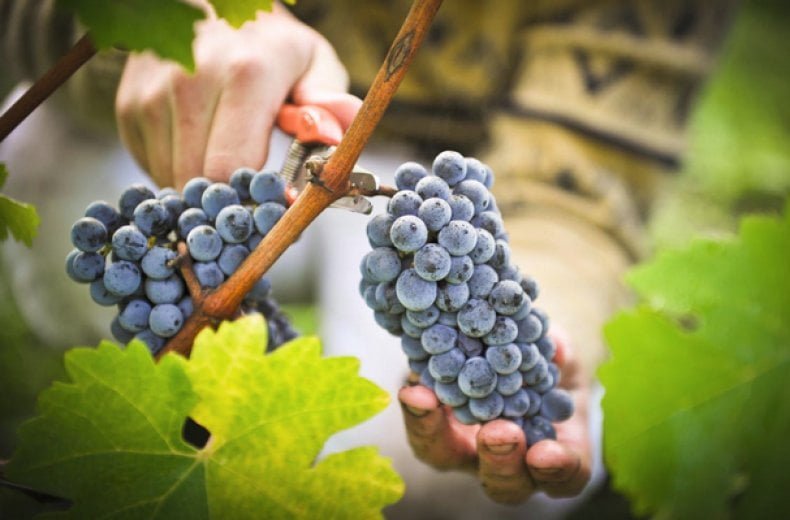
Harvest begins with early white varieties
Moldova’s grape harvest started about two weeks later than in previous seasons, according to EastFruit. Picking is currently limited to early white varieties, while table grapes and grapes intended for wine production are ripening with a noticeable delay.
The lag is most pronounced in Moldova’s central and southern regions, Gheorghe Gaberi, chairman of the Association of Grape Producers and Exporters, told AgroExpert. In previous years, the harvest of white varieties was already almost complete by this stage of the season. This year, growers are only gathering the earliest grapes, some of which are being sent for wine processing.
The later start changes the timing of deliveries across the domestic supply chain. Vineyards must wait for grapes to reach suitable parameters, while wineries receive part of their seasonal raw material later than usual. Table-grape producers also face a compressed window for harvesting, packing and preparing fruit for sale.
Wine grapes need more time to mature
Technical varieties used for wine are also behind their normal development schedule. Gaberi expects them to reach the maturity required for harvesting around the middle of the month. The delay differs by variety, but the overall pattern is visible across the sector.
Red varieties, including Neagra, are developing on a somewhat different schedule. They could approach the required condition by the end of September, according to Gaberi. The sequence means wineries may receive individual varieties at different times rather than through the harvest pattern seen in previous seasons.
Gaberi linked the slower ripening partly to prolonged warm weather, noting that several factors are affecting the vineyards simultaneously. The final consequences for volumes and grape quality will depend on how the crop develops before each variety reaches its required harvesting indicators.
Frost damage adds another week
The condition of the vines has contributed to the delay. On many plots, the crop formed on lateral shoots after the central buds were damaged by frost. Replacing central shoots with lateral growth adds about another week to the overall delay, Gaberi said.
The effect is particularly visible in vineyards where vines were pruned in December, before the frosts. At that stage, growers could not know which shoots would survive. The later development of fruit on lateral shoots has consequently shifted the timetable for part of the crop.
For growers, processors and exporters, the key issue is now the pace at which table and wine varieties reach commercial or processing maturity. A later harvest does not by itself determine the final crop size or quality, but it moves vineyard work, winery intake and preparation for the table-grape sales season deeper into the calendar. Market participants will therefore be watching maturity indicators and the gap between varieties rather than relying on the usual seasonal schedule.