Missing C60 Permits Delay Kenyan Grain Imports, Millers Say
Kenyan millers say they have not received the C60 permits required to import grain. The reported delay is raising concerns about milling supplies, food prices and the country’s near-term food security.
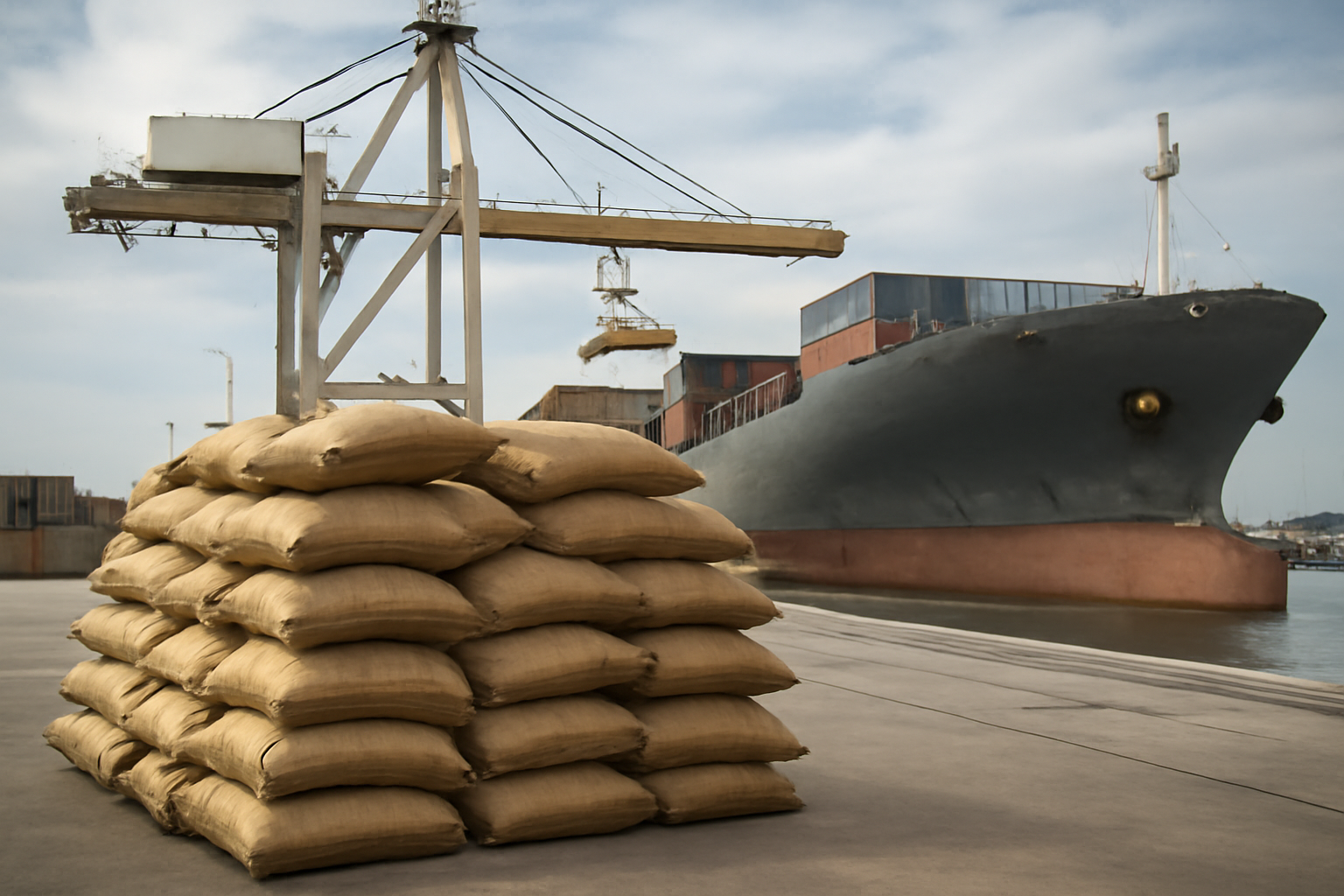
Millers report permit delays
Grain imports into Kenya are being delayed because millers have not received the required C60 import permits, according to industry claims. The hold-up is adding to concerns about the availability of grain for processing and Kenya’s near-term food security.
The available report does not identify the millers affected, the grain categories awaiting clearance or the volumes involved. It also gives no date for the permit applications or an expected timetable for their approval. Those missing details make it impossible to quantify the immediate supply gap, but the millers’ warning points to an administrative constraint affecting import planning.
For milling companies, permits are a necessary step before contracted grain can enter the domestic supply chain. Delays can complicate procurement schedules and reduce visibility over future raw-material availability. The effect on individual processors will depend on their inventories, existing supply contracts and access to domestic grain, none of which are specified in the report.
Supply and price exposure
If the permit issue continues, pressure would first be felt by processors that rely on imported grain to maintain milling operations. Traders and importers could also face uncertainty over shipment timing and delivery obligations. The report does not say whether cargoes have already been purchased, are waiting for shipment or have arrived without the necessary documentation.
The potential effect on food prices will depend on the duration and scale of the disruption. A short administrative delay may be absorbed through inventories or alternative supplies. A prolonged hold-up could tighten the grain available to millers and increase procurement risk. The source material provides no price data, inventory estimates or production figures, so no direct price impact can yet be established.
Consumers are exposed because milled grain products are part of the food supply, while processors need predictable access to raw materials to plan output. The permit dispute therefore matters beyond the companies applying for authorization. It can affect decisions by grain suppliers, transport operators, wholesalers and other businesses connected to the milling chain.
Food-security questions remain
The millers’ claims raise questions for the authorities responsible for administering the C60 process. Market participants need clarity on whether the permits are delayed by routine processing, a policy decision or another administrative issue. The available report includes no response from the Kenyan government and does not state whether officials have acknowledged the delay.
It is also unclear whether the problem applies to all grain imports or only specific applications. That distinction is important for assessing whether Kenya faces a broad supply constraint or a narrower disruption affecting certain millers or cargoes.
Until permit decisions are issued or the authorities explain the status of the applications, importers and processors will have limited certainty over incoming supplies. The immediate commercial priority is visibility: which permits are outstanding, what grain and volumes they cover, and when decisions will be made. Without that information, the scale of Kenya’s near-term food-security exposure cannot be measured reliably.