Mexico’s wine-grape output rises 3.85% annually as three states dominate supply
Mexican wine-grape production reached 83,178 tonnes in 2025, with its value rising to 1.4126 billion pesos. Baja California, Zacatecas and Aguascalientes supplied 76.5% of the national harvest.
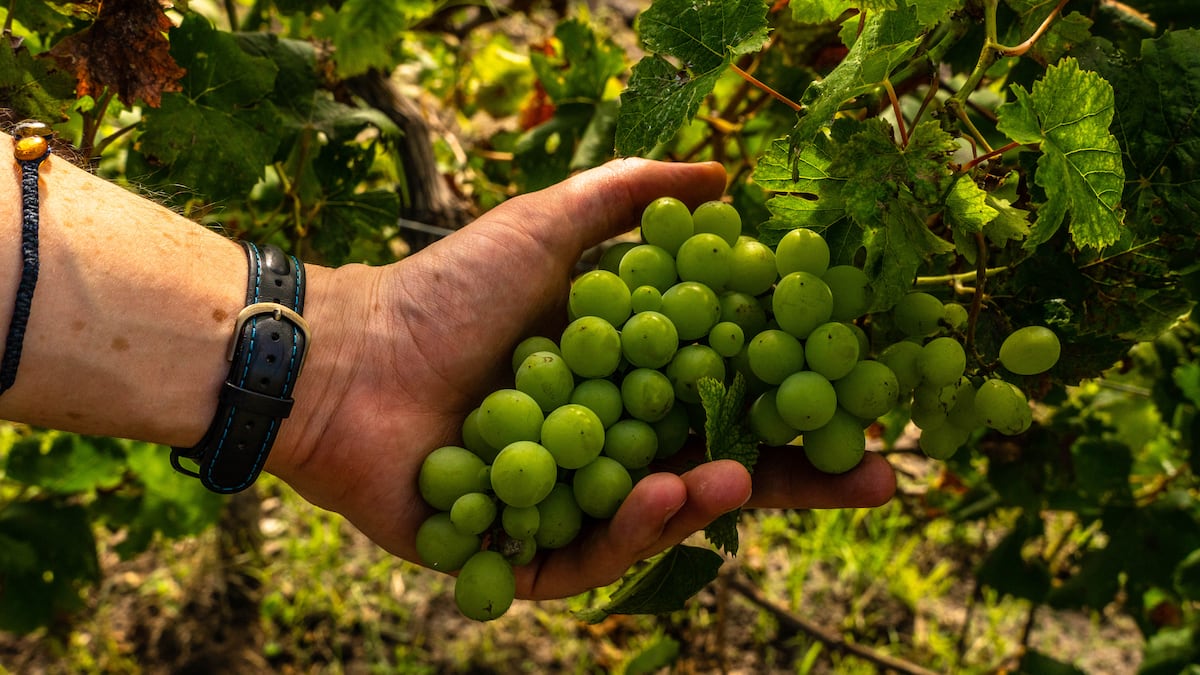
Wine-grape harvest reaches 83,178 tonnes
Mexico’s production of grapes destined for winemaking grew at an annual rate of 3.85% between 2023 and 2025, according to the Ministry of Agriculture and Rural Development. Output increased from 77,107 tonnes in 2023 to 83,178 tonnes in 2025, expanding the supply of domestic raw material available to wineries and other participants in the country’s wine value chain.
The value of the crop rose faster than its physical volume. Data from the General Directorate of the Agri-Food and Fisheries Information Service, cited by La Crónica, put production value at 1.1496 billion pesos in 2023 and 1.4126 billion pesos in 2025. That represents an increase of 22.8% over the period, indicating higher revenue at the farm-gate level alongside the larger harvest.
The Agriculture Ministry said Mexico’s soil and climatic conditions support a broad range of grape varieties and production regions. Baja California grows Merlot, Chardonnay and Sauvignon Blanc, while vineyards in Guanajuato include Cabernet Sauvignon, Syrah, Merlot and Cabernet Franc. Sauvignon Blanc and Pinot Noir are among the principal varieties cultivated in Querétaro.
Three states supply 76.5% of national output
Twelve Mexican states harvested industrial grapes in 2025, but production remained highly concentrated. Baja California led the country with 30,934 tonnes, followed by Zacatecas with 26,024 tonnes and Aguascalientes with 6,715 tonnes. Together, the three states accounted for 76.5% of national output and served as the principal suppliers of grapes to Mexico’s wine industry.
This concentration makes vineyard conditions, water availability and processing capacity in the three leading states particularly important for wineries and grape buyers. At the same time, participation by nine other states gives the industry a wider regional base. The federal government is working with national councils, grape-product organizations, academic institutions, producers and civil associations to help growers increase output, add value to their harvests and expand the market presence of Mexican wine.
Industry seeks domestic and foreign growth
The larger harvest comes as the sector seeks to capture more value from domestically grown grapes and strengthen sales of Mexican wine at home and abroad. La Crónica, citing Economy Ministry figures, reported that Mexico exported 1.085 million litres of wine made from fresh grapes in 2025, with a declared commercial value of $8.405 billion. The United States was identified as the leading destination, receiving 784,000 litres valued at $6.7 billion. The reported volume and value figures are presented as published by the cited authorities.
Other destinations included Japan, Belgium, Costa Rica, France, Spain, the United Kingdom, Jamaica, Switzerland and the Dominican Republic, giving producers exposure to markets in North America, Europe, Asia and the Caribbean. Mexico also designated October 7 as Mexican Wine Day through a decree published on January 10, 2023. The initiative recognizes the industry’s contribution to employment and foreign-currency earnings while supporting efforts to position Mexican wine in domestic and international markets.