Mexico’s US Pork Purchases Rise 30%, Adding Pressure on Domestic Prices
Mexico’s cumulative pork imports from the United States have increased 30%, expanding supply in the domestic market and putting downward pressure on prices. The change affects Mexican producers, processors and traders while strengthening bilateral meat flows.
US pork purchases climb
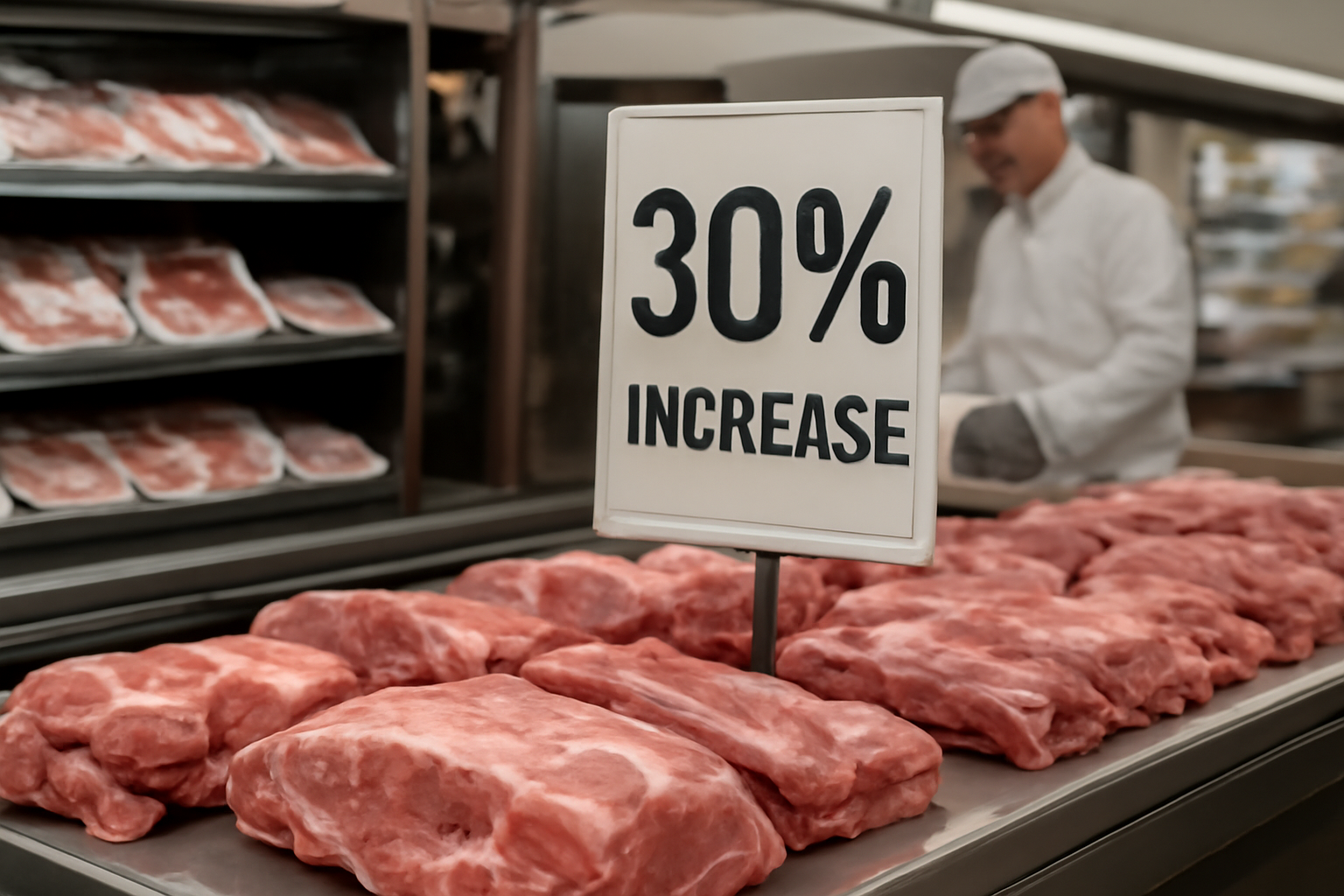
Mexico’s cumulative purchases of pork from the United States have increased 30%, bringing additional meat into the Mexican market and intensifying pressure on domestic prices. The available information does not specify the comparison period, import volume or value, but the reported growth indicates a substantial expansion in supply from Mexico’s principal bilateral meat trade channel.
The increase matters across the pork supply chain. Imported meat adds to the volumes available to processors, wholesalers and retailers, giving buyers more sourcing options. For domestic pig farmers and slaughterhouses, however, a rapid rise in foreign supply can make it harder to maintain selling prices, particularly when imported and locally produced cuts compete for the same customers.
The price effect will not necessarily be uniform. Different pork cuts serve different industrial, retail and food-service markets, while transport, refrigeration and processing costs also influence the final price. Even so, a 30% increase in cumulative purchases is large enough to alter negotiations between suppliers and buyers and to strengthen the position of companies able to switch between domestic and imported meat.
Domestic producers face tighter competition
For Mexican producers, the central issue is the relationship between additional supply and demand. If consumption and processing requirements do not grow at the same pace as imports, the extra pork can weigh on wholesale prices. Producers may then face narrower margins even if their feed, labor, energy and animal-health costs remain unchanged.
Smaller farms may be particularly exposed because they generally have less flexibility in sales timing and fewer channels through which to place animals. Larger integrated businesses can sometimes offset weak livestock prices through slaughtering, processing or branded products. The reported import increase therefore has the potential to affect market participants differently, depending on their scale, product mix and access to customers.
Processors and retailers may benefit from broader availability and stronger competition among suppliers. More imported pork can help plants secure raw material and may reduce purchasing costs. Whether those savings reach consumers depends on commercial margins, logistics expenses and competition further down the chain; the reported information does not provide retail-price data.
Bilateral meat flows deepen
The 30% rise also points to stronger pork flows between the United States and Mexico. US suppliers gain additional access to Mexican demand, while Mexican importers become more important customers for American producers and meat companies. This creates opportunities for traders, cold-storage operators and transport providers handling cross-border shipments.
At the same time, greater reliance on imported supply increases the Mexican market’s exposure to changes in US availability and cross-border trading conditions. Any shift in shipment costs, sanitary requirements or the balance between supply and demand could be transmitted more quickly through Mexican wholesale prices. No such policy change has been reported in the material provided, but the expanded trade flow raises the commercial importance of stable bilateral access.
Market attention turns to volumes and prices
The next indicators for industry participants will be the actual tonnage behind the 30% increase, the cuts entering Mexico and the evolution of farmgate, wholesale and retail prices. Those details will determine whether the rise reflects a temporary purchasing surge or a more persistent expansion of US pork’s position in Mexico.
For now, the direction is clear: Mexico is buying considerably more US pork, domestic supply is increasing and price competition is becoming more intense. Producers must defend margins, while processors and importers have greater room to compare origins and negotiate terms. The impact on consumers will depend on how much of the lower upstream pricing is passed through to stores and food-service outlets.