Mexico-US agricultural trade exceeded $74 billion in 2025
Mexico exported $43.8 billion in agricultural products to the United States in 2025 and imported $30.63 billion from its neighbor. The two-way relationship spans Mexican fruit, vegetables and beverages and US grain, meat, dairy, soybeans and poultry.
Mexico leads US agricultural suppliers
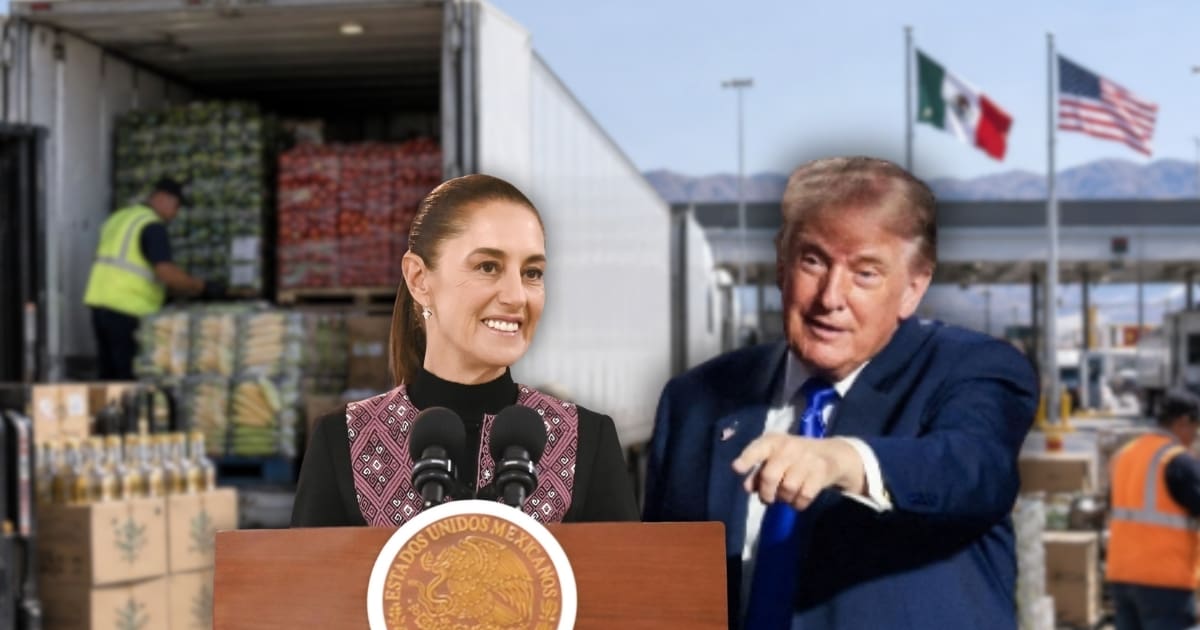
Agricultural trade between Mexico and the United States exceeded $74 billion in 2025, reflecting closely connected food production and consumer markets on both sides of the border. El Imparcial, citing US Department of Agriculture data, reported that Mexico sold $43.8 billion in agricultural products to the United States and bought $30.63 billion in US goods from the same sector.
Mexican products represented about 21% of all US agricultural imports, making Mexico the country’s largest foreign farm supplier. It ranked ahead of Canada, which recorded sales of $39.3 billion. The trade covers fruit, vegetables, beverages and other consumer foods, supported partly by US demand for year-round supplies and differences between the countries’ growing seasons. According to the USDA, four broad product groups accounted for 70.7% of US agricultural imports from Mexico, although the source did not provide their individual values.
US grain and protein flow south
The relationship is substantial in the opposite direction. Mexico was the largest global destination for US agricultural exports in 2025, accounting for $30.63 billion, or 17.9% of total US farm sales abroad. US agricultural exports to Mexico increased by about 1% during the year, according to the USDA.
Mexico’s purchases include corn, dairy products, pork, soybeans and poultry products. These flows supply food consumption as well as domestic processing and livestock chains, while Mexican shipments north are weighted toward horticultural products, beverages and distilled spirits. Tequila illustrates the concentration of some industries in the bilateral market: Ana Cristina Villalpando, director of the National Chamber of the Tequila Industry, said, according to Reforma, that the United States receives 82% of tequila exports. Mexican tequila and mezcal exports increased 17.05% year on year between January and July 2026, according to the Agriculture Ministry’s food trade balance report.
Animal-health restrictions expose supply-chain risk
Livestock trade shows how sanitary controls can abruptly disrupt an integrated market. The United States closed crossings to Mexican cattle following the spread of New World screwworm. After successive periods of restrictions, the USDA began a gradual reopening on August 24, 2026, through the port at Douglas, Arizona, on the border with Sonora. The measure was not a general reopening: the agency retained a phased process and planned later assessments of the Santa Teresa and Columbus crossings in New Mexico. Every animal entering the United States must comply with the prescribed screwworm protocols.
The earlier interruption sharply reduced Mexican cattle shipments. In January-July 2026, the value of bovine exports remained 99.97% below the level recorded a year earlier, according to Mexico’s Agriculture Ministry. Wider food trade data show that Mexico retained an agricultural and food surplus, but imports were rising faster than exports. For the same seven-month period, agricultural consultancy GCMA calculated exports of $32.173 billion, up 2.1%, and imports of $27.725 billion, up 5.7%. Its estimated surplus of $4.448 billion was 15.9% smaller than in January-July 2025. El Imparcial noted that another official measurement differed because of its cutoff and classification, but both series showed the same underlying trend: faster import growth. The figures underline the breadth of bilateral dependence, with producers, processors and distributors exposed to changes in sanitary access, border policy and demand in either market.