Conadesse: Imports Curb Mexico's Push Into Cane Bioplastics, Paper and Feed
Industry organisation Conadesse says Mexico already has the raw material and the capacity to turn sugarcane into bioplastics, paper and livestock feed. It also warns that imported goods, including bioplastics from China and imported paper, are displacing cane-based alternatives in the domestic market and holding back the sector's potential.
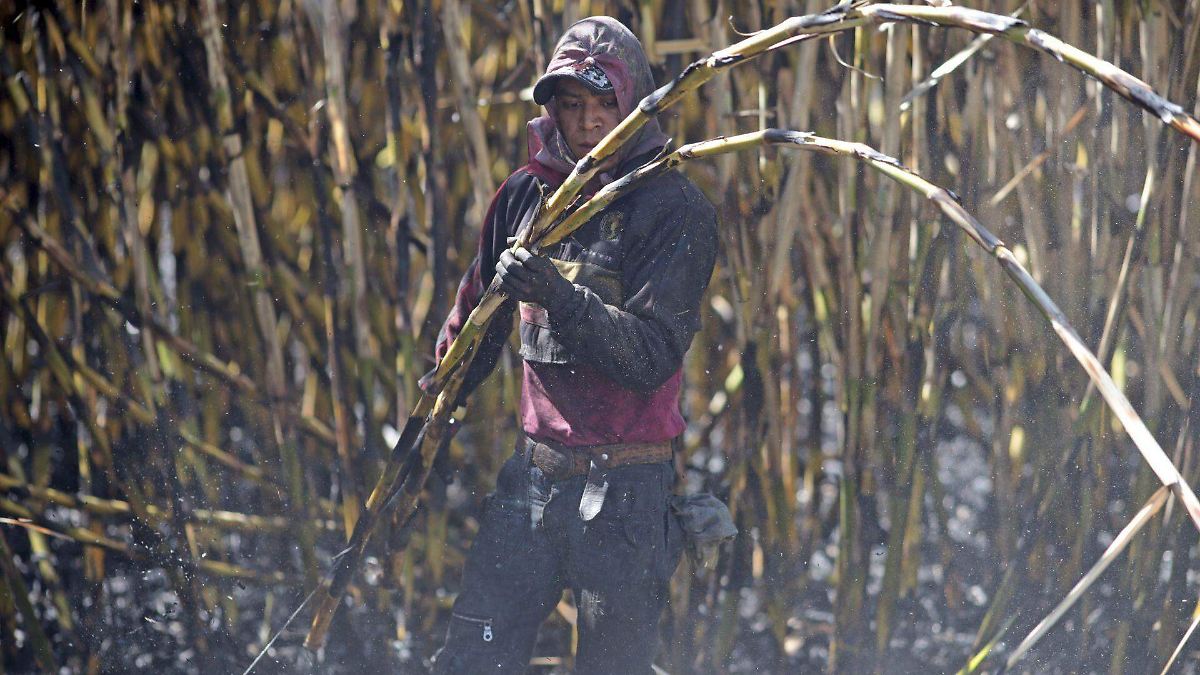
Conadesse says the feedstock and the capacity already exist
Mexico's sugarcane industry has both the raw material and the industrial capacity to produce cane derivatives, among them bioplastics, paper and livestock feed, the organisation Conadesse said in remarks reported by El Sol de Orizaba. In a parallel report, Imagen del Golfo carried Conadesse's warning that imported products are holding back the potential of the cane industry.
The organisation framed the question as one of product range rather than tonnage. The Mexican sugar sector, according to Conadesse, faces the challenge of widening its opportunities beyond sugar production itself, and at the same time of competing with imported goods that displace alternatives made from cane. Three derivative lines were named:
- bioplastics, the line where Conadesse points directly at Chinese material in the domestic market;
- paper, which the organisation says is also reaching Mexico from abroad;
- livestock feed, the third use identified for cane.
Neither report specified which fractions of the plant would supply each line, nor which mills or cane-growing regions would host the conversion. El Sol de Orizaba, which carried the remarks, is published in the state of Veracruz.
Imports already serve the demand
According to El Sol de Orizaba, products arriving in the Mexican market include bioplastics from China, alongside imported paper. The report as published does not identify the origin of the paper, and neither outlet provided volumes, values or prices for the imported goods.
That is the substance of Conadesse's argument. Demand for the products the cane industry could make is not hypothetical: it exists and is already being met, but from outside the country. For a Mexican producer weighing a cane-based bioplastic or a cane-fibre paper line, the competitor is not another sugar mill; it is an established import channel with settled pricing, logistics and customer relationships.
The investment question for mills
Moving into derivatives is the conventional response for a sugar business tied to a single commodity price, because it turns by-products and residues into a second revenue stream. It also requires capital committed years ahead of returns, and a price that holds up against whatever is already on the shelf.
Conadesse identifies the obstacle without quantifying it. No import volume, no landed-cost comparison and no domestic demand estimate appears in either account, which leaves the gap between Mexican and imported product undefined.
What the reports leave open
Neither report sets out a timetable, an investment figure, a named project or a specific policy request. Conadesse's position pairs a statement of capability with the identification of a constraint: the capacity exists, and imports reduce the incentive to use it.
For processors, investors and traders the practical questions remain unanswered in the source reporting — the size of Mexican demand for bioplastics and paper, the delivered cost of Chinese bioplastic against a domestic cane-based equivalent, and whether any trade measure or public procurement preference is being sought for downstream cane products. Until those figures are on the record, the diversification case rests on stated potential rather than committed investment.