Mexico’s pork consumption reaches 22 kg per person in 2026
Mexico’s annual pork consumption reached approximately 22 kilograms per person in 2026, according to US Meat México. The level follows six consecutive years of double-digit growth and points to sustained demand from Mexican consumers.
Consumption reaches 22 kilograms per person
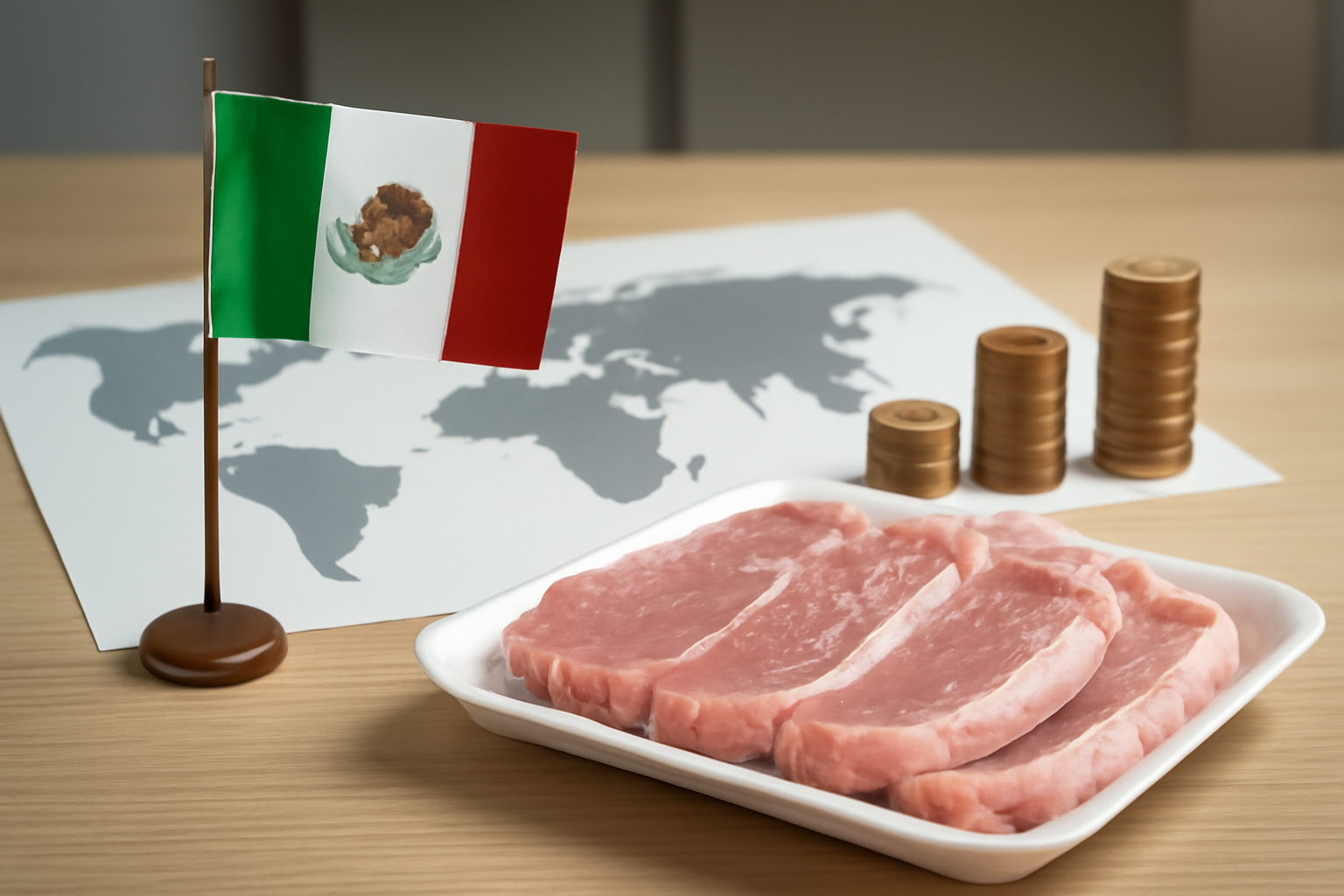
Annual pork consumption in Mexico reached approximately 22 kilograms per person in 2026, according to US Meat México. The figure follows six consecutive years in which consumption recorded double-digit growth, marking an extended expansion in demand for pork in the Mexican market.
The reported level provides a clear benchmark for producers, processors, distributors and meat traders assessing the size and direction of Mexican demand. Per-capita consumption does not by itself show the country’s total pork requirement, but sustained growth over several years implies a larger market for slaughtering, processing, cold storage, transportation and retail operations.
US Meat México did not provide, in the available information, a breakdown of consumption by fresh, chilled, frozen or processed pork. It also did not specify how much of the 2026 requirement was supplied by Mexican farms and how much was covered by imports. Those details will determine how the additional demand is distributed among domestic producers and foreign suppliers.
Supply response becomes the central question
Six years of double-digit increases create opportunities across the pork chain, but they also raise the importance of supply availability and operating capacity. Mexican livestock producers must assess whether herd numbers, feed availability and processing capacity can keep pace with consumption. Packers and distributors, meanwhile, need sufficient cold-chain infrastructure to move larger volumes efficiently.
For international suppliers, a market consuming around 22 kilograms per person offers potential sales opportunities where domestic output cannot fully meet demand or where buyers require particular cuts and specifications. However, the information released does not include import volumes, supplier-country shares, wholesale prices or trade values. It therefore does not establish whether the recent expansion has primarily benefited domestic production or imported pork.
Market participants need more detailed data
The next indicators for the industry will be total pork availability, domestic production, import volumes and the pace of consumption growth after 2026. Prices will also matter: rising consumption can support processors and producers, but supply constraints could increase costs for retailers and consumers. Conversely, sufficient domestic output or imported supply could allow the market to expand without comparable price pressure.
The 22-kilogram figure nevertheless confirms that pork has gained ground in Mexico over a sustained period. For producers, it supports investment decisions tied to capacity and productivity. For processors and traders, it strengthens the case for monitoring regional demand, product mix and procurement needs. The commercial impact will depend on whether consumption continues to rise and on which suppliers can deliver the required volumes at competitive prices.