Mexico and China form working group to accelerate Mexican food export approvals
Mexico and China will create a bilateral working group to expand access for Mexican avocado, citrus, beef, pork, sorghum and processed aquatic products. The initiative targets approvals delayed for as long as a decade and a trade gap exceeding $120 billion.
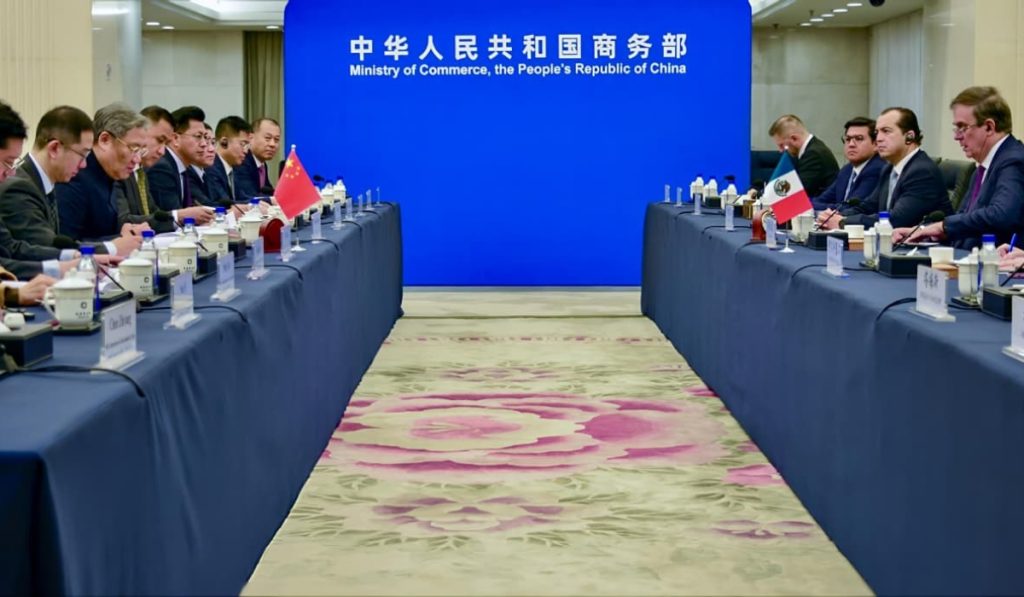
Working group targets delayed market access
Mexico and China have agreed to establish a bilateral working group to review commercial priorities and accelerate access for Mexican agricultural and food products. The agreement followed a meeting in Beijing between Mexican Economy Secretary Marcelo Ebrard and Chinese Commerce Minister Wang Wentao during the 11th Mexico-China High-Level Group meeting.
The proposed agenda includes Mexican avocado, lemon, beef, pork, sorghum and processed aquatic products. Revista Fortuna reported that some of the sanitary and commercial protocols required for these goods have been awaiting approval for as long as a decade. The new group will examine mechanisms for completing those procedures and increasing Mexican sales to the Chinese market. No timetable for individual approvals was announced.
Trade imbalance drives negotiations
The initiative is part of Mexico’s effort to narrow a large and growing bilateral trade deficit. According to TyT and Revista Fortuna, Ebrard said China’s exports to Mexico would exceed $130 billion this year, while Mexican exports to China would total about $10 billion. That implies a gap of more than $120 billion, although the proposed agricultural openings alone would represent only part of the trade needed to reduce it materially.
Ebrard said Mexico wants its exports to grow at the same pace as its imports and called for the disparity to be reduced quickly. For Mexican producers and processors, Chinese approvals could provide access to a large additional destination and diversify sales beyond established markets. Actual volumes will depend on the final sanitary protocols, eligible plants and regions, logistics, pricing and competition from suppliers already established in China.
Salt proposal and Chinese production in Mexico
The working group will also review a proposal from Mexican state-owned company Exportadora de Sal to increase its presence in China. The company offered to supply as much as 10 million tonnes of salt over the next four years. If accepted in full, the proposal would create a sizeable defined trade flow, but the sources did not disclose prices, delivery schedules or whether China had made a purchase commitment.
Ebrard also invited Chinese companies to relocate to Mexico part of the production they currently export to the country. That request comes after Mexico imposed tariffs of up to 50% in 2026 on selected goods from countries with which it has no trade agreement, including China. President Claudia Sheinbaum has ruled out a free-trade agreement with China while remaining open to mutually beneficial arrangements. The Beijing meeting followed Sheinbaum’s participation in the APEC leaders’ summit and her bilateral meeting with Chinese President Xi Jinping in Shenzhen the previous week. The working group therefore offers a channel for targeted agreements, but its commercial impact will depend on whether long-pending protocols become operational access rather than remaining under review.