Mexico Turns US Cattle Export Ban Into Record Beef Export Surge
Mexico redirected cattle blocked from crossing into the United States toward domestic fattening and slaughter, driving beef export value up 46.9% in the first half of 2026. The shift followed a 14-month US ban on Mexican live cattle over a screwworm outbreak, lifted July 24, 2026.
A 14-month border closure reshapes the supply chain
Mexico converted a prolonged suspension of live cattle exports to the United States into a historic expansion of its beef export industry, according to the Grupo Consultor de Mercados Agrícolas (GCMA), which processed data from Mexico's national customs agency, ANAM. The United States closed its border to Mexican live cattle shipments because of an outbreak of New World screwworm, a livestock parasite, and lifted the restriction on July 24, 2026, as reported by La Jornada, after a closure that lasted 14 months. During that period, Mexican producers redirected animals that would otherwise have crossed the border into domestic fattening and slaughter operations, adding value to cattle inventories at home instead of shipping them live. The shift came at a moment when the United States faces its lowest cattle availability in decades, according to the source data.
Beef exports jump nearly 47% in value
Between January and June 2026, Mexico's exports of animal protein totaled 258,900 tonnes, up 20.2% from 215,500 tonnes in the same period of 2025, GCMA reported. The value of these shipments rose 37.4%, from $1.489 billion to $2.046 billion.
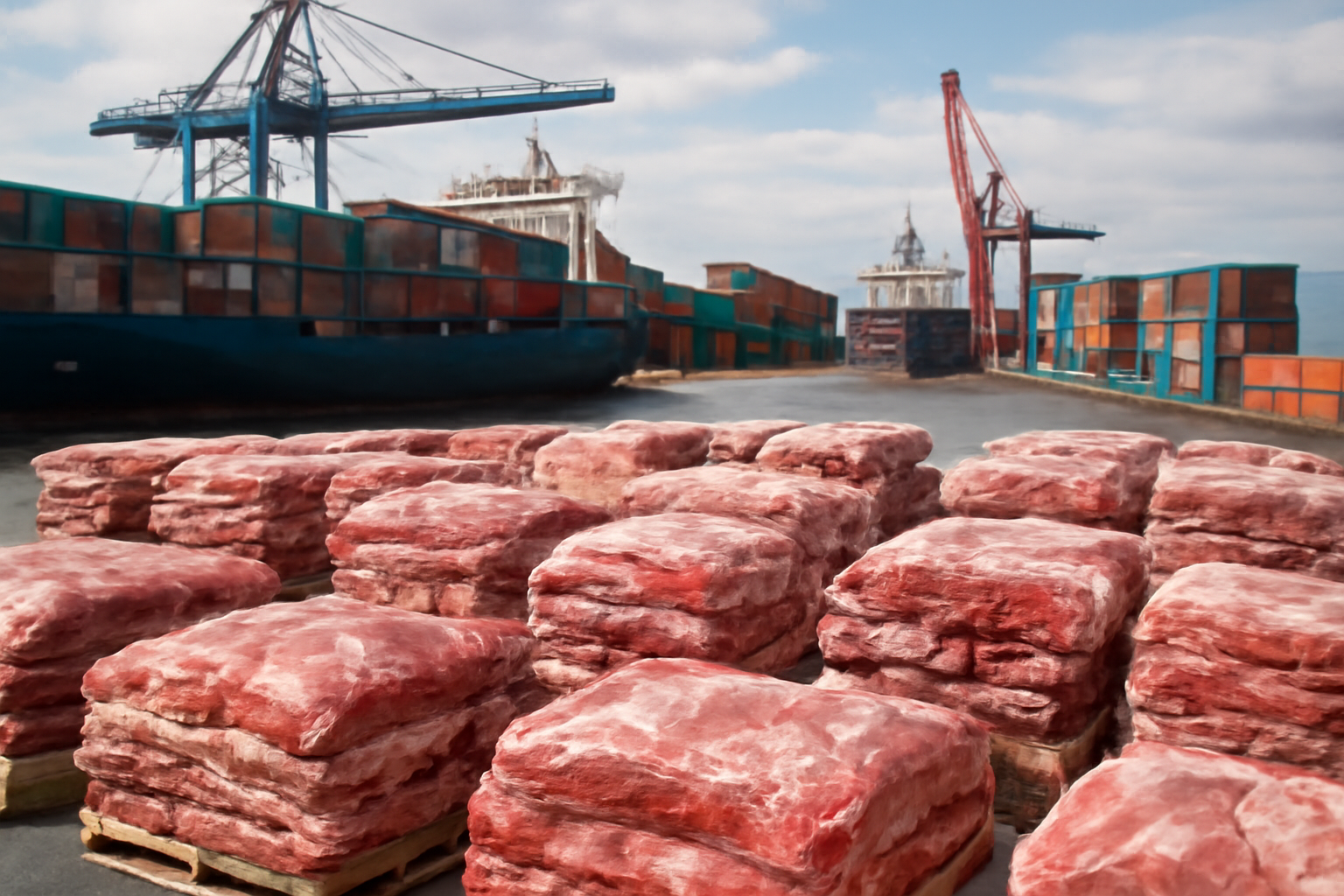
Beef accounted for most of the gain. Export volumes climbed 24.3%, from 132,568 tonnes to 164,821 tonnes, while export value surged 46.9%, from $1.101 billion to $1.618 billion. Pork exports also grew, up 12.9% in volume and 10% in value. Poultry exports, though smaller in absolute terms, more than doubled in value, rising 103.2%.
Imports fall as US demand for Mexican meat tightens
Mexico's total meat imports moved in the opposite direction over the same period. Import volumes fell 1.9%, from 1,554,700 tonnes to 1,525,500 tonnes, and import value dropped 9.4%, from $4.228 billion to $3.829 billion.
- Beef import volumes fell 10.2%, even though import value rose 5.1%
- Pork import value declined 16%
- Chicken import value fell 10.4%
GCMA estimated that US beef production dropped by approximately 500,000 tonnes during the period, with an economic impact of close to $4.5 billion, a shortfall that deepened US reliance on imports, particularly from Mexico.
A two-way trade relationship
Mexico remains one of the largest global buyers of animal protein: it is the world's largest importer of pork and the third-largest buyer of chicken meat. For the United States, Mexico is its top export market for both pork and chicken, and ranks among the top three destinations for beef, GCMA noted, underscoring a trade relationship that runs in both directions.
GCMA said the "reconversion strategy is working," pointing to the export growth as evidence that Mexico's meat industry has the capacity to transform cattle into value-added meat products rather than exporting animals live. The consultancy added that the border closure imposed costs on Mexican producers but also demonstrated the domestic industry's ability to add value through processed meat exports, describing the situation as confirmation of strategic integration between the two countries across the cattle and beef supply chain.