Mexican pecan growers seek US and European buyers after China imposes tariffs
Chinese tariffs of 17.8% to 51% threaten to redirect Mexican pecans toward the domestic market. Coahuila growers and traders are exploring sales in the United States and Europe as rising supply and fertilizer costs put pressure on margins.
Chinese duties disrupt an established outlet
Mexican pecan growers and exporters are seeking alternative buyers after China imposed tariffs on nuts from Mexico. According to information cited by VANGUARDIA from El Financiero, the duties range from 17.8% to 51%. China said imports during the previous year had harmed its domestic industry. The measure raises the cost of access to a market that is particularly important for Mexico’s large pecans and could leave more of the national harvest competing for buyers at home.
Mexican President Claudia Sheinbaum said the action was not retaliation for Mexico’s earlier tariffs on Asian products. She said the Economy Ministry was communicating with Chinese counterparts through China’s embassy in Mexico and was also in contact with producers. Saltillo pecan businessman Gerardo Garza Melo told VANGUARDIA that China had developed large pecan plantations over more than two decades. In his assessment, the tariffs are intended to protect Chinese growers and encourage local buyers to purchase the domestic crop first.
Different sizes serve different markets
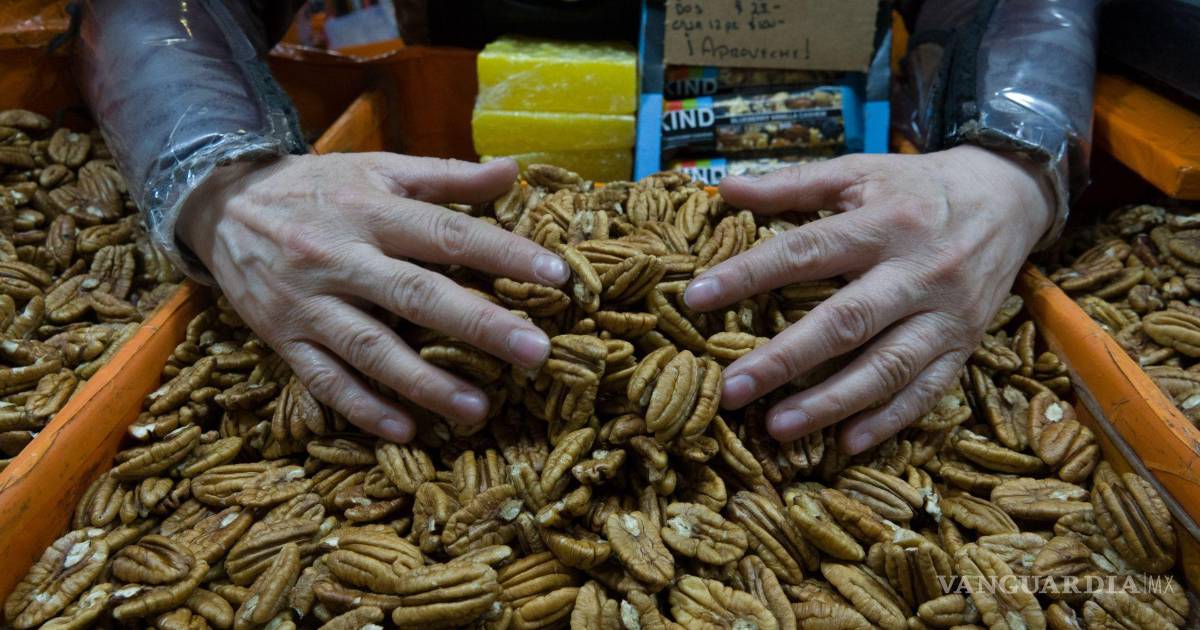
China’s buyers mainly seek jumbo pecans, with approximately 90 to 120 nuts per kilogram, Garza Melo said. Northern Coahuila produces this grade in smaller volumes, while Sonora is Mexico’s leading producer of pecans with the characteristics preferred in China. If reduced access prevents Sonora and other producing areas from shipping their usual volumes, exporters will have to redirect the nuts toward the United States, Europe or Mexico.
Southeastern Coahuila has a somewhat different product. Its pecans average about 145 nuts per kilogram, making them smaller than the jumbo grades favored by Asian buyers. Garza Melo said their advantages include the color and flavor of the kernel, higher oil content and a soft shell. These qualities may help traders position the crop in other channels, but growers usually do not export directly. They sell to marketing companies that have the logistics, permits and refrigeration systems needed to reach foreign markets.
Domestic prices face a supply test
The immediate concern is that pecans displaced from China will remain in Mexico. Garza Melo warned that additional supply from Sonora and other states could depress domestic prices and reduce returns for producers across Coahuila. The scale of any loss cannot yet be determined because the marketing season is only beginning. In Parras de la Fuente, prices for the criolla and Fructuoso varieties start moving in late August. Production from Chihuahua and other regions follows between late September and October.
The tariff shock comes as growers face higher production expenses and a demanding stage of the crop cycle. Farms are managing pests, water requirements, fertilization, fungi and insects before the harvest reaches the market. Garza Melo said a tonne of urea cost about 10,000 pesos last year but reached 18,000 to 19,000 pesos this year. With a key export destination becoming more expensive and fertilizer costs rising sharply, traders’ ability to secure US and European outlets will influence both the volume entering Mexico’s market and the prices received by growers.