Malaysia increases cassava purchases as Vietnam seeks markets beyond China
Vietnam exported 2.27 million tonnes of cassava and cassava products worth $840 million in the first eight months of 2026. Malaysia and South Korea sharply increased purchases, but China still accounted for 93.1% of shipment volume.
Export value holds up as shipment volume falls
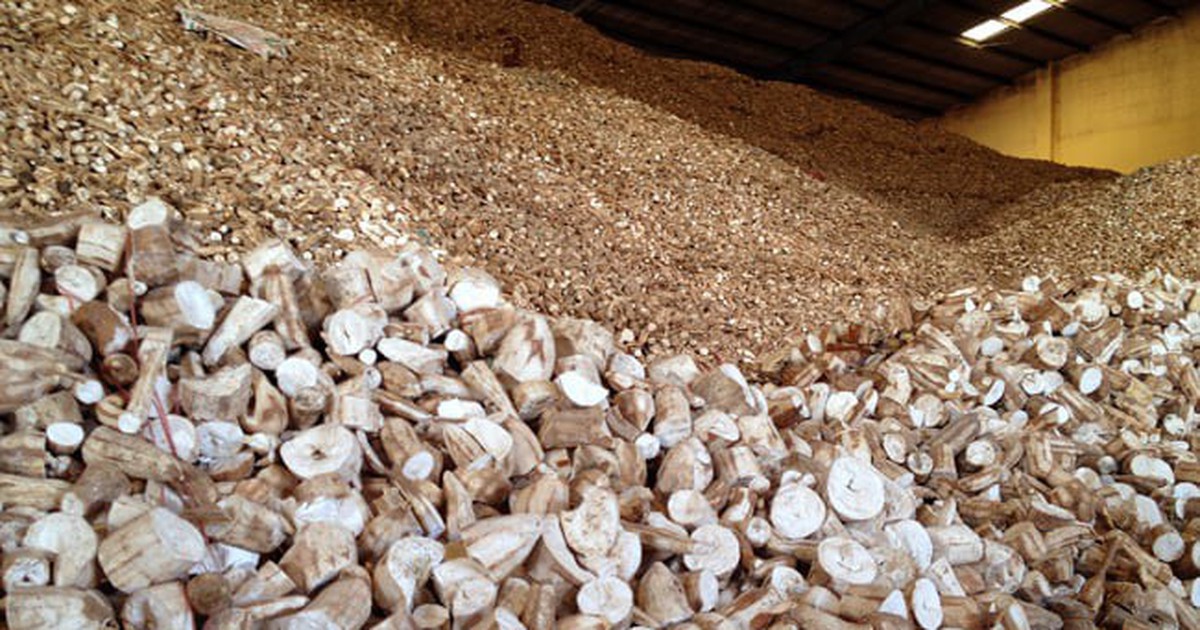
Vietnam exported 2.27 million tonnes of cassava and cassava products worth $840 million in the first eight months of 2026, according to data from the Vietnam Customs Department cited by Soha. The figures reinforce Vietnam’s position as the world’s second-largest exporter of the commodity and show the growing industrial role of a crop once treated mainly as a supplementary food source.
Shipments gained momentum in August. Exports reached nearly 166,000 tonnes with a value of $84.3 million, increasing by 28.6% in volume and 46.9% in value from July. The faster increase in revenue indicates improved unit values within the month, although the available figures cover a broad category that includes raw cassava and processed products.
China retains an overwhelming market share
China remained the dominant destination, receiving about 2.11 million tonnes worth $764.6 million during the eight-month period. It accounted for 93.1% of Vietnam’s total cassava and cassava-product export volume, while most other markets individually represented less than 2%.
Exports to China fell by 20.8% in volume compared with the same period of 2025, but their value declined by only 4.2%. The average export price reached about $362 per tonne, an increase of 20.9%. Higher pricing therefore cushioned the revenue impact of weaker shipments, but the concentration leaves Vietnamese suppliers exposed to changes in Chinese demand, import policy and prices.
Malaysia and South Korea expand purchases
Malaysia emerged as one of the fastest-growing alternative markets. Vietnam supplied it with 28,400 tonnes worth $13.8 million in the first eight months, up 50% in volume and 89.3% in value year on year. The pace of value growth exceeded the rise in tonnage, suggesting a more favorable product or price mix.
South Korea purchased about 26,000 tonnes valued at $8.8 million. Compared with the corresponding period of 2025, volume increased by 48.1% and value by 86.5%. Soha cautioned that this expansion was not yet stable: much of the growth occurred in July, followed by a sharp reduction in shipment volume during August.
Together, Malaysia and South Korea demonstrate demand beyond China, but their combined purchases remain small relative to the 2.11 million tonnes shipped to the Chinese market. Diversification is therefore at an early stage and cannot yet materially offset a downturn in Vietnam’s largest destination.
Processing capacity offers a route to higher value
Cassava is now used as an input for starch, animal feed, biofuel and other processed products. Vietnam grows the crop in more than 40 provinces across five principal production regions. The cultivated area ranges from 520,000 to 550,000 hectares, yields average 19-20 tonnes per hectare, and annual fresh-root production exceeds 10 million tonnes. Vietnam ranks fifth globally for cassava yield.
This production base gives processors room to increase the share of higher-value products rather than relying mainly on raw material sales. Investment in deeper processing could broaden the customer base and reduce exposure to fluctuations in raw cassava prices. For exporters, however, the immediate priority remains balancing growth in Malaysia and South Korea against the scale and continuing influence of Chinese demand.