Malatya Commodity Exchange Targets $1 Billion in Apricot Exports
The Malatya Commodity Exchange wants to double Turkey's apricot export revenue from $500 million to $1 billion, chairman Ramazan Özcan told the Turkish news agency İLKHA. The plan rests on licensed warehousing, an electronic sales floor and regional cooperation with neighbouring exchanges. Pesticide residues and European Union measures on sulphur remain the main obstacles to export growth.
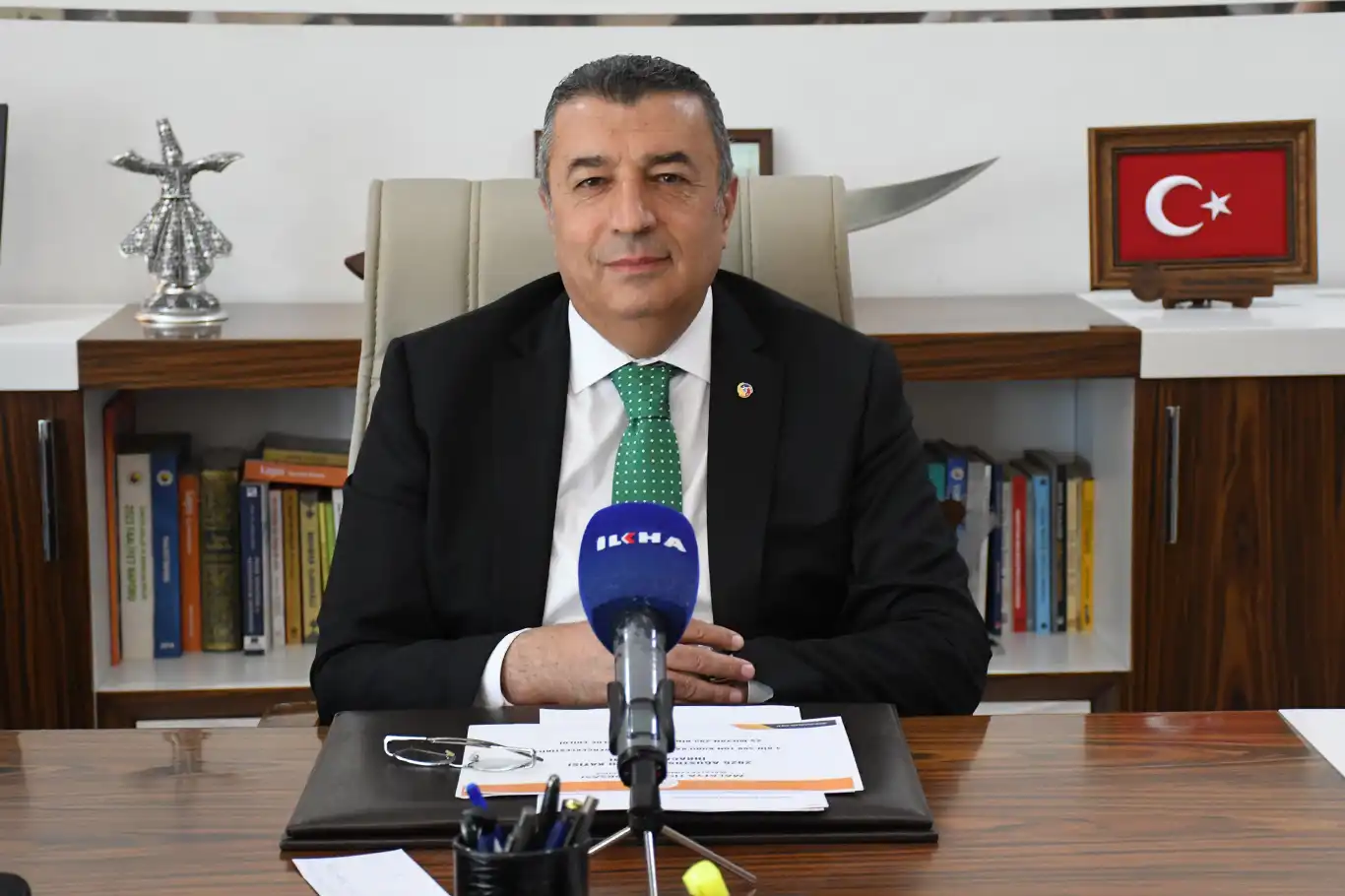
The Malatya Commodity Exchange has set a target of doubling Turkey's apricot export revenue from $500 million to $1 billion, its chairman Ramazan Özcan said in remarks carried by the Turkish news agency İLKHA.
Özcan made the comments while confirming that he will stand again for the chairmanship in the exchange's election on 3 October. The vote is part of the four-yearly cycle run by the Union of Chambers and Commodity Exchanges of Turkey (TOBB), which Özcan said covers 367 chambers and exchanges, with the process running from 1 October 2026 to 30 November.
A $1 billion export goal
Apricot exports currently generate around $500 million, according to Özcan. He said the exchange is now focused on lifting that figure to $1 billion, with the stated aim of maximising producer income and cementing apricots as the leading item in Turkey's dried fruit exports.
The target sits within a wider provincial economy. Özcan put Malatya's meat supply chain at roughly $200 million and said that, taken together, agriculture and livestock generate close to $1 billion of economic activity in the province. He cautioned against assessing Malatya through apricots alone, describing the province as part of Turkey's most important meat supply chain, while still calling apricots the main actor and the province's single most important crop, significant for the wider region and for Turkey as a whole.
Licensed warehousing and an electronic sales floor
Özcan said the apricot sector is entering a period of licensed warehousing combined with an electronic sales floor. Alongside that physical infrastructure, he said the exchange will update the published nutritional and calorie values for apricots, supported by academic reports, and open closer working contact with importing companies.
He also set out the issues the exchange considers unresolved:
- price instability
- production policy
- pressure on growers from rising costs
- operating costs for businesses
- problems encountered in exports
- contraction in markets
Özcan said significant work remains to be done on apricots despite what he described as important achievements and investments in the crop, both physical and academic, in recent years.
Residues and EU sulphur measures
Two regulatory issues were singled out as direct constraints on exports. Pesticide residues have been high on the agenda in recent years, Özcan said, adding that exporters have faced very serious difficulties as a result.
He also said the European Union has in recent years taken a series of steps on sulphur that will put Turkish suppliers in a difficult position, without specifying the measures. Özcan argued that the response requires international lobbying, and called for what he described as a general mobilisation involving political authorities, civil society organisations and public administrators.
Regional cooperation and the election timetable
Reaching $1 billion depends on regional cooperation, according to Özcan, who said the commodity exchanges of Elazığ, Kahramanmaraş and Sivas should not remain indifferent to apricots. He framed the goal as one that should deliver maximum returns to growers while making apricots the pride of Turkey's dried fruit exports.
The Malatya Commodity Exchange has close to 1,000 active and passive members, Özcan said. It operated with 16 assembly members across seven professional groups in the outgoing term, and he expects that number to rise as new members register. Assembly and committee elections precede the board election. Özcan, who has served for eight years across two terms, said a consensus had emerged among members and stakeholders in favour of another term, and that he is seeking re-election for the 2026-2030 period.