Malatya Sugar Factory Starts 2026-27 Beet Campaign With 3,800-Tonne Daily Capacity
Malatya Sugar Factory has begun accepting beet for its 2026-27 production season, marking its 71st campaign. The TÜRKŞEKER facility can process 3,800 tonnes of sugar beet per day, providing a major outlet for growers in the surrounding region.
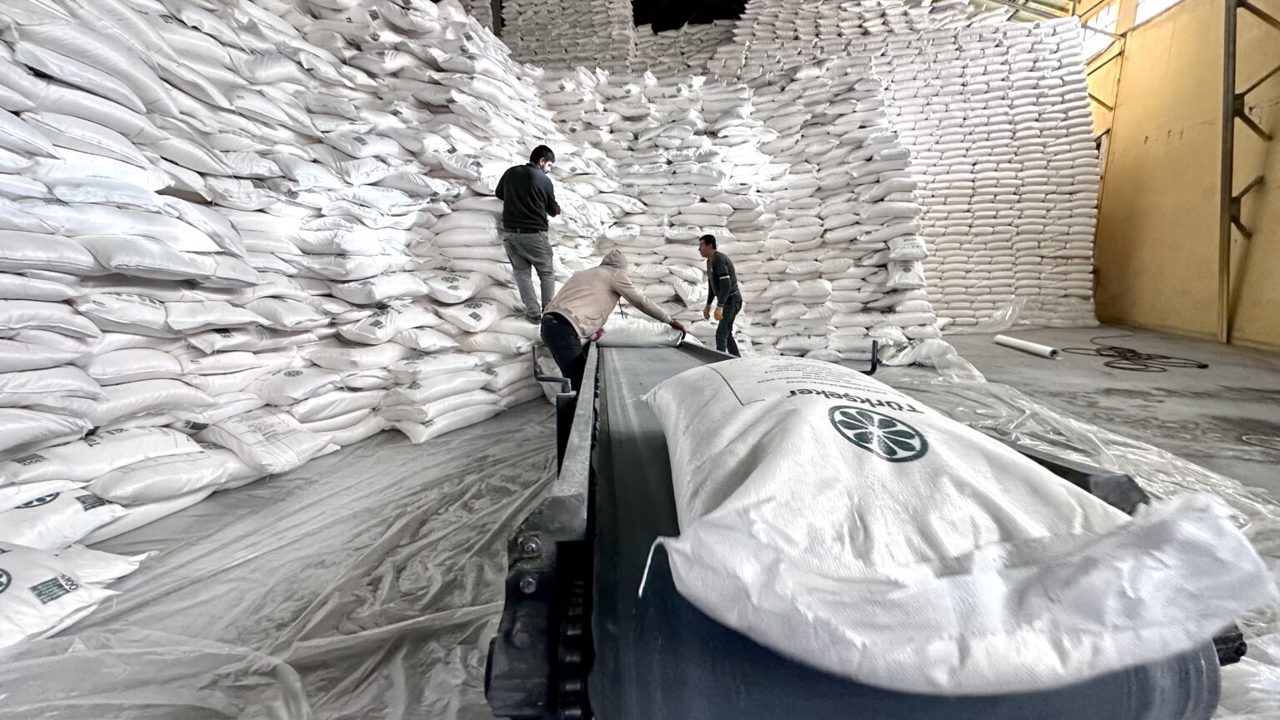
Beet deliveries begin in Malatya
Malatya Sugar Factory has opened its 2026-27 sugar beet procurement campaign, beginning the 71st processing season in the plant’s history. The TÜRKŞEKER facility will continue operating with capacity to process 3,800 tonnes of beet per day, according to reports published by Malatya Güncel and Malatya’dan.
The campaign was formally launched at a ceremony on September 3, coinciding with the 100th anniversary of Turkey’s sugar industry. Participants included TÜRKŞEKER Deputy General Manager Ahmet Aytemur, factory manager Abdullah Çakmakçı, Şeker-İş union branch president Nuri Murat and Malatya Beet Growers’ Cooperative president Celal Şerefhanlı. Beet producers, factory employees and representatives of local institutions also attended.
The opening moves the plant from preparations into procurement and processing. Farmers delivering the first beet of the 2026-27 campaign received gifts before intake officially began at the factory’s weighbridge. The sources did not disclose the campaign’s contracted beet volume, expected operating duration, sugar output target or procurement price.
A long-standing regional processing asset
Aytemur said Turkey’s sugar industry began in Uşak in 1926 and has now accumulated a century of operating experience. Malatya Sugar Factory entered service on October 1, 1956, and has been present for 71 years of that history. Its latest campaign therefore combines an annual agricultural cycle with two institutional milestones: the centenary of the national industry and the plant’s 71st season.
The stated daily capacity establishes the maximum pace at which incoming beet can be handled, although actual output will depend on deliveries and operating conditions during the campaign. For growers, the start of intake provides an active destination for a crop that must be moved and processed after harvesting. For the factory, orderly arrivals are important to maintain throughput across the season. No data were provided on cultivated area, anticipated beet yield or the geographical boundaries of the procurement zone.
Factory management, the union and the growers’ cooperative described the campaign as important for producers, employees and the regional economy. The facility links farm production with industrial processing and supports activity around harvesting, transport, weighing and factory operations. Its 3,800-tonne daily processing capacity is the principal quantitative indicator released for the new season.
TÜRKŞEKER network enters another campaign
Aytemur said TÜRKŞEKER operates 14 sugar factories as well as alcohol, machinery and electromechanical equipment plants and research institutes. Malatya is therefore one unit within a wider state-owned production and technical network. The reports did not provide comparative capacity figures for the other factories or specify Malatya’s expected contribution to TÜRKŞEKER’s total sugar production in 2026-27.
Aytemur also highlighted the role performed by Malatya Sugar Factory in work carried out after the February 6 earthquakes, alongside its production duties. The new campaign keeps the industrial site operating as part of the region’s agricultural economy. Its eventual market impact cannot yet be quantified because the published information contains no forecast for beet purchases, refined sugar recovery or campaign length. Those figures will determine how fully the plant uses its daily capacity and how much sugar the 71st campaign ultimately supplies.