Madhya Pradesh launches direct-export push for Sharbati wheat in Gulf markets
India’s central government and Madhya Pradesh have launched a special direct-export initiative for Sharbati wheat. The scheme targets Gulf markets with a premium variety known for its natural sweetness and distinctive shine, although shipment volumes, prices and participating buyers have not been disclosed.
Governments open a direct route to Gulf buyers
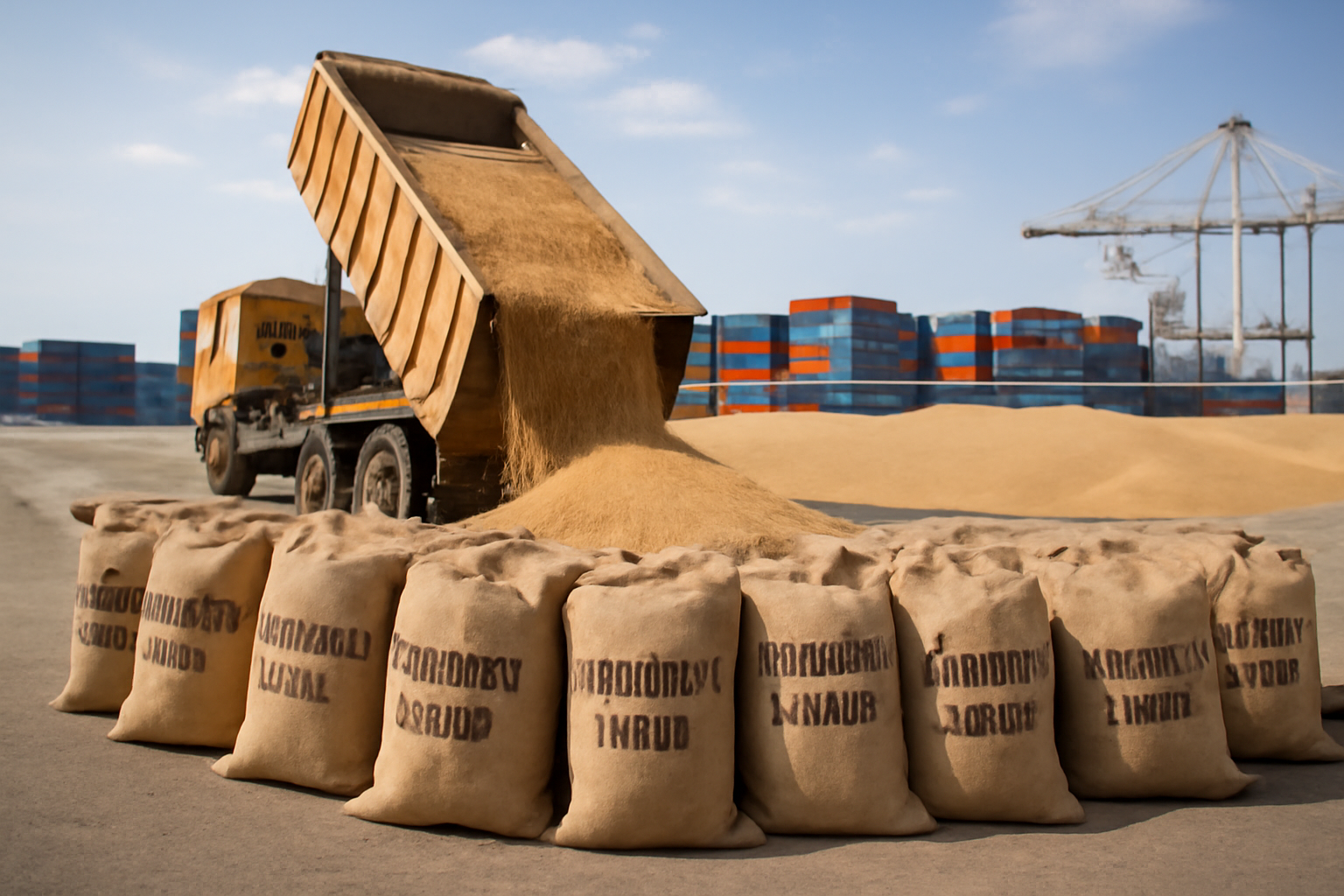
India’s central government and the government of Madhya Pradesh have launched a special direct-export initiative for Sharbati wheat, seeking to connect the state’s premium grain with buyers in Gulf countries. The program began this month, according to the information released with the announcement.
Sharbati wheat is promoted as Madhya Pradesh’s “golden grain” because of its distinctive shine and natural sweetness. Those quality characteristics are central to the export campaign, which positions the variety as a premium product rather than standard bulk wheat.
The initiative gives Madhya Pradesh a more defined route for presenting a regional crop to overseas customers. Direct access could reduce the distance between growers and Gulf buyers, but the available information does not specify whether farmers will sell directly, work through exporters or participate through government-supported marketing channels.
No export target, shipment volume or sales value has been announced. The authorities have also not identified participating Gulf countries, importing companies, logistics providers or the quality specifications that shipments must meet.
Those details will determine the scheme’s commercial scale. Gulf demand can create an additional outlet for Sharbati wheat, but actual returns will depend on negotiated prices, grading, handling costs and the share of the export price ultimately received by farmers.
Premium positioning shapes the commercial case
The program’s focus on sweetness and appearance suggests that Sharbati wheat will compete primarily on product differentiation. This is important because a premium regional variety may not follow the same commercial logic as wheat traded mainly on volume and benchmark prices.
For producers, the central question is whether foreign demand produces a stable premium at the farm gate. A direct-export channel could strengthen price discovery and broaden the buyer base, although no purchase price or farmer payment mechanism has been published.
Processors, grain merchants and exporters will need clarity on aggregation, cleaning, grading, storage and transport. Maintaining the grain’s advertised characteristics through the supply chain will be essential if Gulf customers are expected to pay more for its quality.
The initiative may also test whether regional branding can translate domestic recognition into repeat overseas business. That will require consistent specifications and reliable delivery, particularly when buyers compare the crop with other premium wheat supplies.
For now, the announcement establishes government backing and a target region, but it does not provide enough data to measure the expected effect on trade flows or farmer income. Evidence of signed contracts, named destinations, shipment schedules and realized farm-gate prices will show whether the campaign becomes a durable export channel.