Madagascar state buyer SPM purchases 1,500 tonnes of paddy at incentive price in Alaotra Mangoro
State Procurement of Madagascar is buying 1,500 tonnes of paddy rice at an incentive price from growers in the Alaotra Mangoro region, according to Midi Madagasikara. The publication reported that regional rice output is finding buyers, with the state company acting as counterparty. The price level, delivery schedule and destination of the grain were not disclosed.
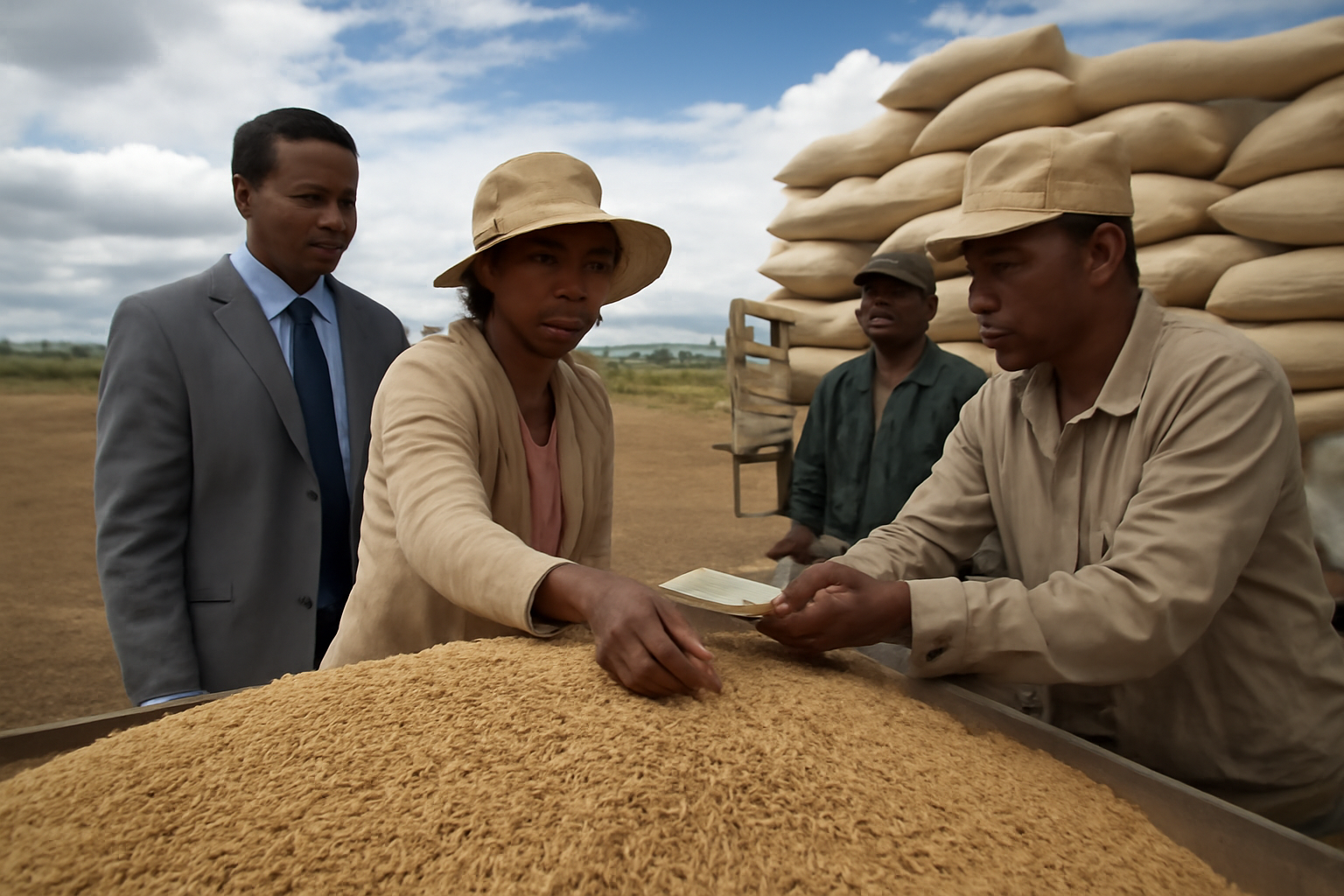
SPM buys 1,500 tonnes of paddy in Alaotra Mangoro
State Procurement of Madagascar (SPM), the Malagasy state purchasing company, is acquiring 1,500 tonnes of paddy rice at an incentive price from growers in the Alaotra Mangoro region, according to Midi Madagasikara. The publication reported that rice output from farm operators in the region is finding buyers, with the state company stepping in as the counterparty.
The purchase covers paddy, meaning unhusked rice as it comes off the field, rather than milled rice ready for retail. The distinction matters commercially: paddy has to be dried, stored and hulled before it reaches consumers, and each of those steps is normally handled by collectors, millers or the buyer itself. Midi Madagasikara did not publish the price level agreed with growers, the delivery schedule, or the collection points involved in the operation.
What the report sets out
- Buyer: State Procurement of Madagascar (SPM), the state procurement company.
- Volume: 1,500 tonnes of paddy rice.
- Pricing: an incentive price intended to support producers, with the level not disclosed.
- Area: the Alaotra Mangoro region.
- Reported by: Midi Madagasikara.
Why the price level matters at harvest
Paddy is the point in the rice chain where producers hold the least bargaining power. Grain arrives wet, on-farm storage is limited, and cash needs peak immediately after cutting, which pushes many smallholders to sell to the first collector who reaches the field. A public buyer offering an incentive price sets a reference that other buyers have to compete against, at least in the districts where it operates.
The scale of the intervention is modest in absolute terms. 1,500 tonnes of paddy is a regional volume rather than a national one, and its effect depends on how concentrated the purchases are among villages and cooperatives. Where the state buyer is present, growers get an alternative bid; where it is not, field-gate pricing continues to be set by private collectors.
Open questions for the rest of the season
Several commercial parameters were not addressed in the report. The first is the undisclosed price itself: without a published figure, traders and processors cannot assess how far the offer sits above prevailing field-gate levels, and growers outside the covered districts have no benchmark to negotiate with. The second is the destination of the grain, meaning whether SPM intends to mill and resell the volume domestically, hold it as a reserve, or channel it through subsidised retail.
The third is repetition. A single purchase of 1,500 tonnes supports the producers it reaches in one campaign; a standing programme with announced volumes and prices would change planting and storage decisions ahead of the next season. Midi Madagasikara did not report whether further tranches are planned in Alaotra Mangoro or in other rice-growing regions.
For processors and importers, the operation is worth watching mainly as a signal of policy direction. State purchasing at an administered price competes with private millers for the same wet paddy, and it can tighten or loosen the volumes reaching commercial mills depending on the size of the programme. At 1,500 tonnes the immediate commercial impact is limited; the relevant question is whether the mechanism is extended.