Madagascar opens rice import safeguard inquiry as domestic market share falls
Madagascar is investigating whether rising imports of milled and broken rice are seriously harming domestic producers. The inquiry could lead to temporary tariffs, quotas or other WTO-compatible restrictions, but weak local supply raises the risk of higher consumer prices.
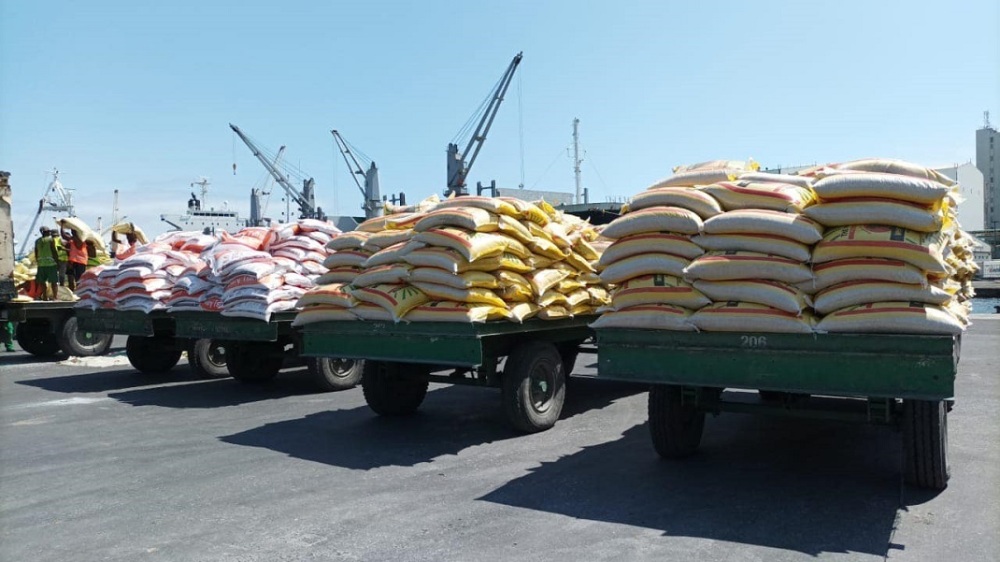
Inquiry covers milled and broken rice
Madagascar’s National Agency for the Measurement of Results and Analysis of Public Policies, known as ANMCC, opened a safeguard investigation in late August into several categories of imported rice. La Tribune reported that the procedure, notified to the World Trade Organization in early September, covers husked rice, semi-milled or wholly milled rice, whether polished or glazed, and broken rice.
The agency will examine whether increased imports have caused, or threaten to cause, serious injury to Madagascar’s domestic rice industry. If such injury and a causal link are established, the authorities could temporarily impose additional customs duties, import quotas or other restrictions consistent with WTO rules.
Importers, exporters and other interested parties have 30 days from publication of the opening notice to register with ANMCC and submit comments. Questionnaires must be returned within 30 working days of receipt. The agency may also hold public hearings on its own initiative or at the request of an interested party.
Imports triple as local output declines
According to figures cited by La Tribune, Madagascar’s rice imports rose from 262,002 tonnes in 2024 to 800,812 tonnes in 2025, more than tripling in one year. Domestic production and sales reportedly declined by 25.6% and 25.4%, respectively, between 2023 and 2025. The domestic industry’s market share fell from 84% to 67% over the same period.
The investigation comes as the government tries to protect farmers without making the country’s staple food less affordable. The amended 2026 Finance Act provided for restoring a 20% tax on certain imported rice categories, supplemented by 5% value-added tax. The measure principally targeted higher-quality rice, often described as luxury rice, and was intended to improve the competitiveness of local production.
Authorities temporarily suspended that taxation in August because domestic supply remained weak and the lean season was approaching. Restricting imports could support growers and reduce foreign-currency outflows, but a rapid intervention could also lift retail prices and put additional pressure on lower-income households. The International Monetary Fund noted that import duties on rice were abolished in 2005 and that both domestic and imported rice have been exempt from VAT since July 2008.
Productivity remains the longer-term test
Madagascar aims to achieve rice self-sufficiency by 2027 and produce 11 million tonnes of paddy by 2030. Output increased from 2.6 million tonnes in 2002 to approximately 5.3 million tonnes in 2023, but it remains below domestic requirements. Rice consumption exceeds 150 kilograms per person annually, according to data cited by the IMF.
The IMF estimates that theoretical yields could reach as much as 11 tonnes per hectare under optimal conditions, compared with a current level of 2.75 tonnes per hectare. Madagascar’s 2022-2030 rice development strategy therefore combines expanded irrigation, land rehabilitation, intensive and improved cultivation systems, mechanisation and subsidised seed. The government is targeting an average yield of 5.47 tonnes per hectare by 2030. These measures will determine whether import protection becomes temporary relief or whether the country can sustainably narrow its supply deficit.