Lower USDA estimate for US grain output raises wheat price concerns
A reduction in the USDA’s outlook for US grain production has intensified concern about wheat supplies and prices. The direction of the market will depend on whether lower US output can be offset by supplies from other producers.
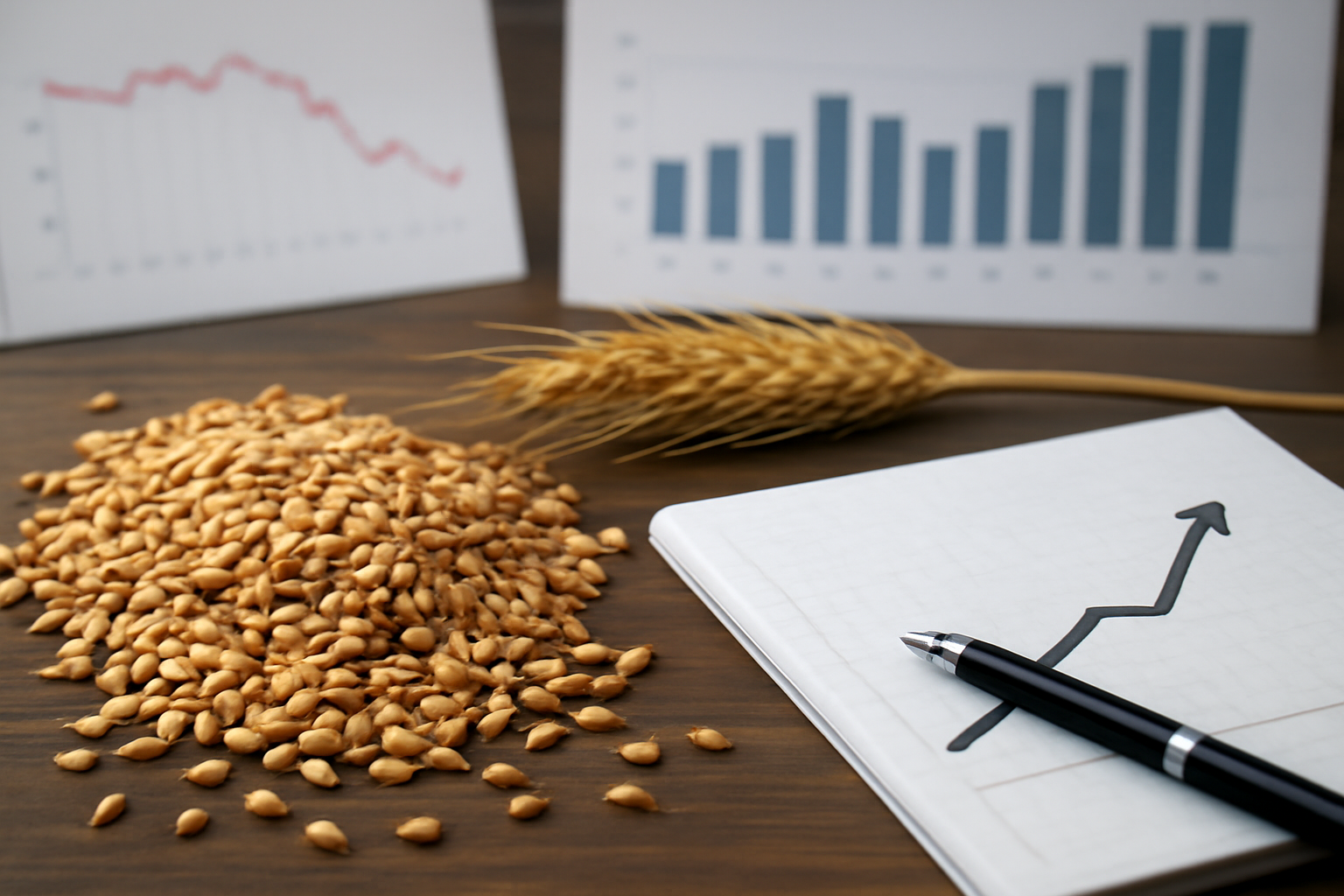
US production outlook weakens
A reduction in the US Department of Agriculture’s estimate for US grain production is raising concern about the outlook for wheat prices. The available information points to a lower estimate for US wheat output alongside broader anxiety over global supply, although it provides no production figures, forecast dates or price levels.
The revision matters because the United States is part of the supply base available to international grain buyers. A smaller crop would reduce the volume that can move into domestic consumption, inventories or export channels. Without detailed balance-sheet data, however, the size of any potential shortfall and its effect on global availability cannot yet be established.
Price risk depends on the wider supply picture
Lower expected production does not automatically result in higher prices. The market response also depends on output in other producing countries, the condition of existing inventories and the pace of demand from millers, feed users and importers. None of those indicators is quantified in the supplied material, limiting any assessment of the likely scale or duration of a price move.
Even so, a downward revision can increase sensitivity to further supply problems. Traders may place greater weight on subsequent crop assessments, while importers may review purchasing schedules and coverage. Producers in competing origins could benefit if buyers seek replacement supply, but that outcome would require adequate crop availability elsewhere.
For flour millers and food manufacturers, the central issue is replacement cost. If concerns about supply translate into firmer wheat quotations, processors may face pressure on margins unless they have already secured grain or can pass higher costs through to customers. Buyers with shorter coverage would generally be more exposed to a rapid market move than companies holding contracted supply.
Market awaits supporting data
The absence of specific figures makes it impossible to determine whether the USDA change represents a modest adjustment or a material shift in the US crop outlook. Details on production, yield, harvested area, inventories and exports would be needed to measure the impact on the US and global wheat balances.
Market participants will therefore need to distinguish between an emerging physical shortage and a change in expectations. Prices can react to a tighter forecast before any shortage reaches buyers, but a sustained increase would require continued evidence that available supply is falling relative to demand.
For global buyers, the immediate implication is greater uncertainty rather than a confirmed supply deficit. The lower US estimate adds an upside risk to wheat prices, while the eventual outcome will depend on later USDA assessments and the ability of other suppliers to compensate for reduced US production.