Lower Imports and Weaker Sowing Raise Pulse Supply Concerns in India
Concerns are growing over pulse availability in India as lower imports coincide with weaker sowing and the prospect of reduced domestic production. The combination could tighten supplies and put upward pressure on prices, adding another risk to household food budgets.
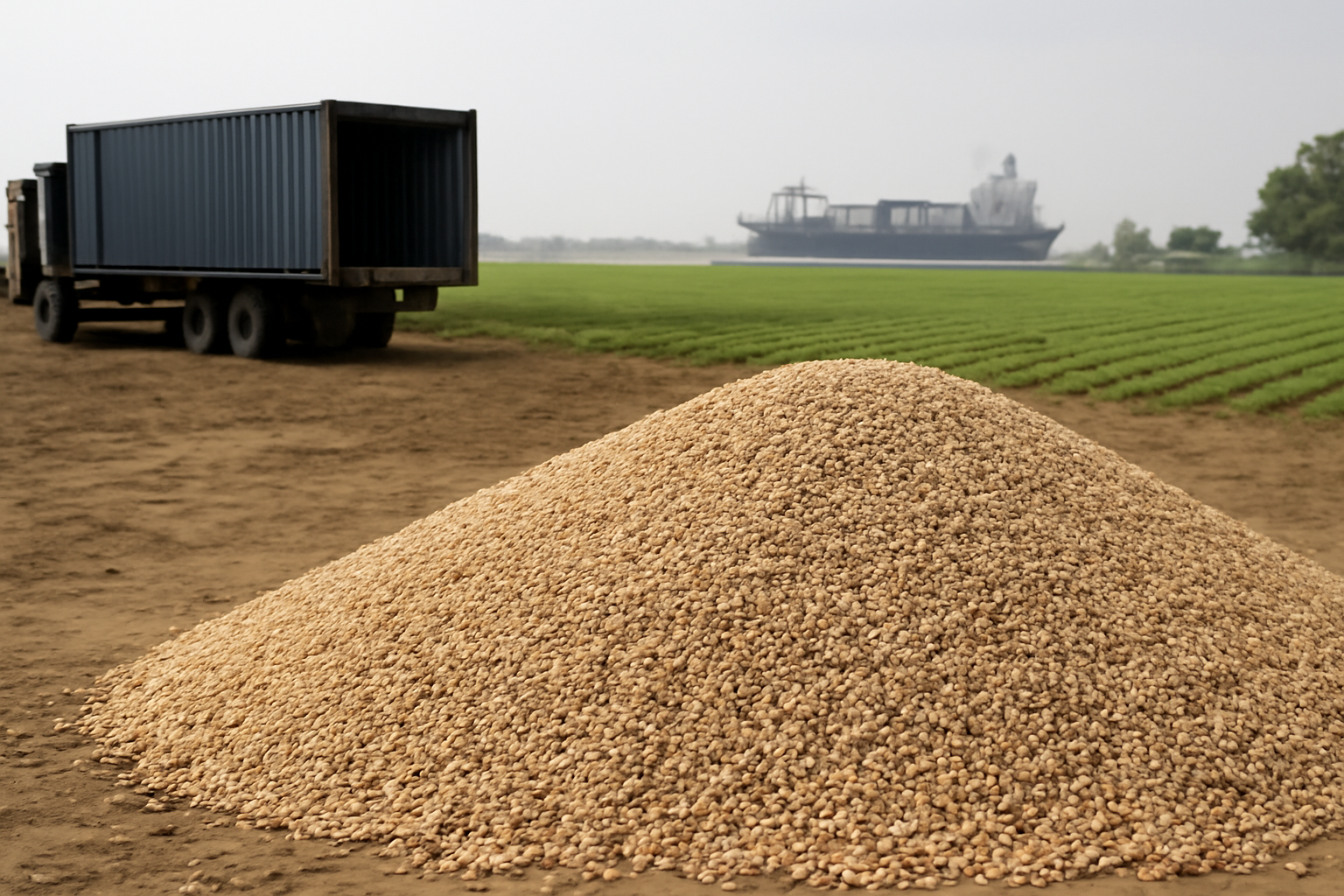
Supply concerns emerge in India’s pulse market
India’s pulse market is facing renewed scrutiny as lower imports coincide with weaker sowing and the possibility of a smaller domestic crop. The combination has raised concerns that supplies could tighten and prices could rise, creating additional pressure on household food budgets.
The warning comes while consumers are already focused on rising sugar prices. Pulses carry particular significance because they are a core food staple and an important source of protein. A sustained increase in pulse prices would therefore affect a broad group of consumers rather than a narrow segment of the food market.
Imports offer less protection against a weaker crop
Lower imports reduce the volume available to supplement domestic output. Imports can help balance the market when local production falls short, but that buffer becomes less effective when overseas purchases decline at the same time as crop expectations weaken.
The risk is not based on one factor alone. Reduced sowing points to a potentially smaller harvested area, while concerns about domestic production suggest that local supply may be insufficient to offset lower import volumes. If both trends persist, wholesalers, processors and retailers could face a more constrained market.
The available source material does not provide import volumes, planting figures, crop forecasts or price estimates. It therefore does not establish the size of any prospective deficit. It does, however, identify a clear alignment of supply-side risks: fewer imported pulses, weaker sowing and the potential for reduced domestic output.
Prices will depend on the scale and timing of supply
For market participants, the timing of arrivals will be as important as total availability. A temporary gap between existing stocks and the arrival of the next crop can support prices even if the eventual shortfall is limited. Conversely, adequate inventories or a recovery in imports could reduce immediate pressure.
Importers will need to assess whether domestic prices justify additional purchases from overseas suppliers. Traders will watch crop development, local arrivals and inventory levels for evidence that the market is tightening. Processors may face higher raw-material costs if competition for available pulses increases, while retailers could eventually pass part of that increase to consumers.
Producers may benefit from stronger prices, but weaker sowing means that not all farmers would be positioned to capture those gains. A smaller crop can lift market prices while simultaneously limiting the volume that growers have available to sell.
Market awaits firmer production evidence
The central uncertainty is whether the concerns over sowing and production translate into a material supply reduction. Without detailed crop and trade data, it is too early to quantify the effect on national availability or retail prices.
Even so, the simultaneous weakening of domestic and imported supply deserves close attention. If production falls and imports remain subdued, the burden of balancing the market will shift toward existing stocks, higher prices or renewed overseas buying. For India’s pulse sector, the next evidence on crop size, market arrivals and import activity will determine whether the current concern develops into a broader food-price problem.