Lithuanian bread prices resist one-third decline in grain and flour producer prices
Wheat and rye prices in Lithuania have fallen by roughly one-third over three and a half years, according to Kauno Diena. Flour producer prices recorded a similar decline, but bread prices did not fall by a comparable amount.
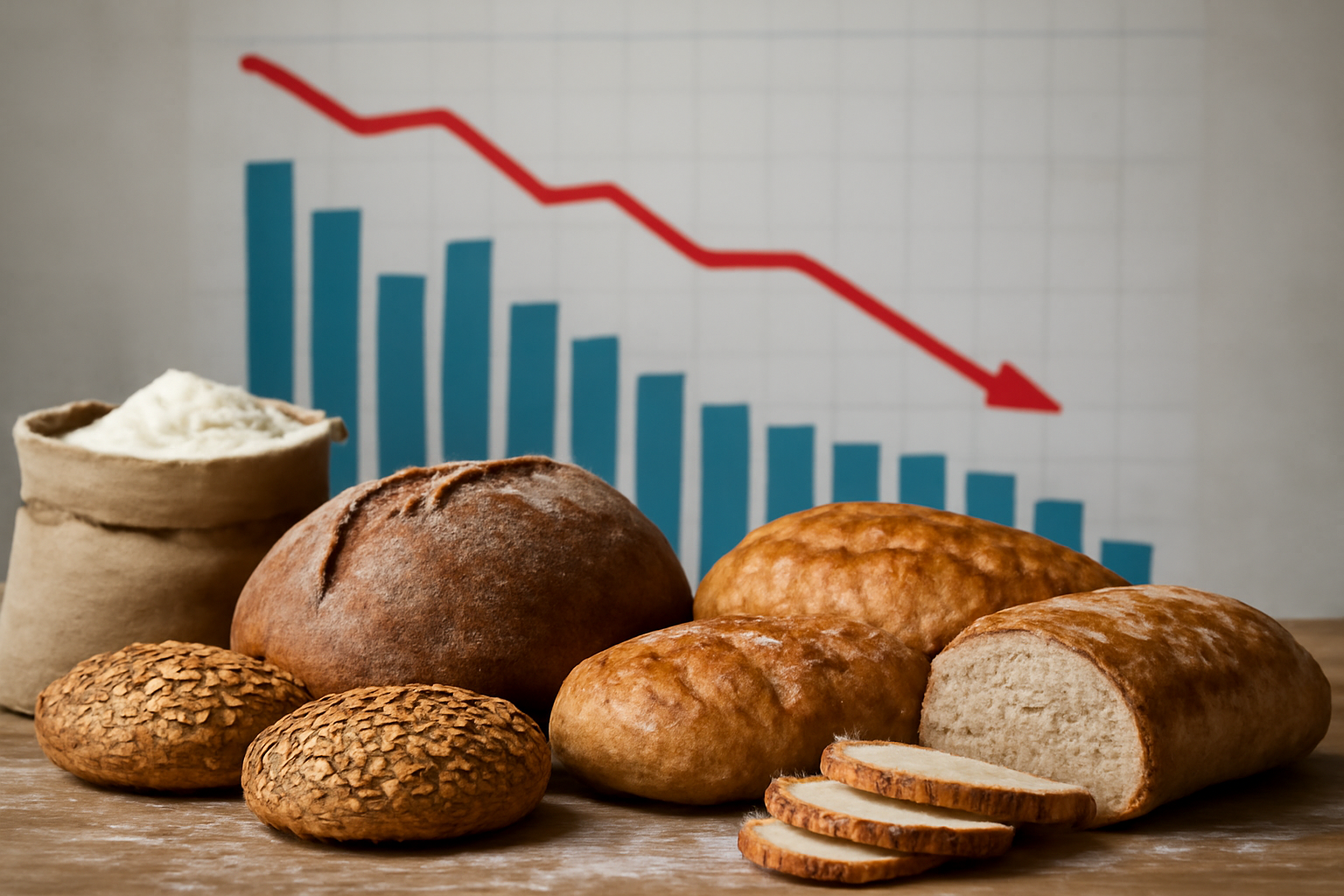
Grain and flour prices move lower
Wheat and rye prices in Lithuania have fallen by roughly one-third over the past three and a half years, according to Kauno Diena. Prices charged by flour producers have decreased by a similar proportion. The movement indicates that lower grain costs have passed into the milling stage, but the decline has not been matched at the level of finished bread products.
This divergence matters across the Lithuanian food chain. Grain producers have received lower prices for two major bread cereals, while flour manufacturers have also reduced their producer prices. Consumers and commercial bread buyers, however, have not seen an equivalent adjustment in the price of bread.
Bread includes costs beyond flour
The available figures do not provide a breakdown of bakery costs or retail margins, so they cannot establish a single reason for the gap. Grain and flour are only part of the cost of producing and selling bread. Bakeries must also cover processing, labor, energy, packaging and distribution, while the final shelf price may include wholesale and retail costs.
Lower flour prices therefore do not automatically translate into a proportional reduction in the price of a loaf. The relevant question for producers and buyers is how much flour contributes to the total cost of each product and whether changes in that component are being offset elsewhere in the chain. Different recipes, package sizes and sales channels can also produce different price patterns, even when the underlying grain market moves in one direction.
Uneven price transmission
The three-and-a-half-year period is long enough to make the contrast commercially significant. Wheat and rye became about one-third cheaper, and flour producer prices moved by roughly the same amount, yet bread prices proved more resistant. That suggests price transmission weakened after the milling stage, although the supplied material does not quantify the size of the bread-price change.
For grain growers, the decline means less favorable pricing for their output. Millers face lower selling prices for flour. Bakeries may benefit from cheaper flour, but the net effect depends on their other expenses and contractual arrangements. Retailers, meanwhile, influence the final price paid by households through purchasing terms, operating costs and pricing decisions.
Market participants need a fuller cost picture
The comparison raises practical questions for processors, investors and food-market analysts. Assessing bakery profitability requires more than tracking cereal prices: it also requires information on flour use, non-grain expenses, capacity utilization and prices at the factory gate and in stores. Without those data, the difference between falling input prices and persistent bread prices cannot be allocated reliably among bakers, distributors and retailers.
What is clear from the reported figures is that Lithuania's grain, milling and bread markets have not moved in parallel. The first two stages registered declines of approximately one-third, while the finished product did not. For professional buyers and producers, future margin pressure will depend on whether grain and flour prices remain low and whether competition eventually carries more of that reduction into bread prices.
Full market analysis