Lighter grapes raise harvest concerns in Spain’s Castilla-La Mancha
Initial harvesting in Castilla-La Mancha indicates that grapes are weighing less, raising concern about the region’s final yield. The early evidence does not yet establish the size of any production decline.
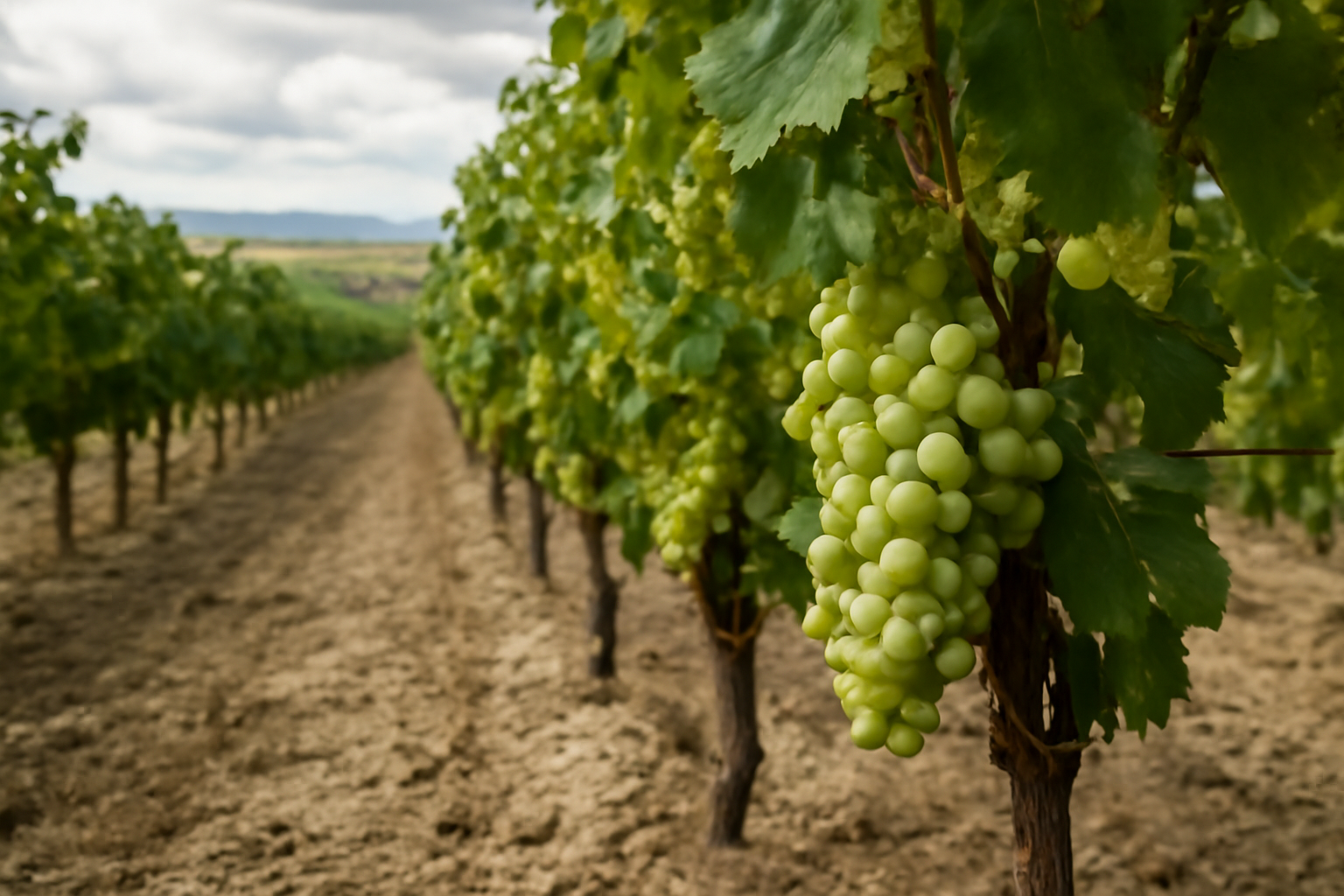
Early harvesting reveals lighter fruit
Wine producers in Castilla-La Mancha are facing an uncertain harvest after the first parcels to begin picking produced grapes with lower weight. The early signal has caused concern in one of Spain’s principal winemaking regions because lighter fruit can reduce the volume delivered to wineries even when vineyards produce an apparently normal number of bunches.
The information available covers only the first harvested parcels. It does not specify how widespread the lower weight is, how it compares with the previous season or how much the region’s total crop could change. Results from later-ripening vineyards will therefore be important in determining whether the initial findings represent a local issue or a broader regional pattern.
Final yield remains uncertain
For growers, grape weight is a central component of commercial yield. If the pattern persists across Castilla-La Mancha, producers could deliver less raw material than expected from the same cultivated area. The effect on individual farms would depend on the extent of the weight loss, the varieties involved and the conditions in vineyards that have not yet been harvested.
Wineries and processors must also distinguish between a lower grape harvest and final wine output. Conversion depends on fruit condition and processing performance, none of which is detailed in the available material. It is consequently too early to quantify the effect on wine production or to draw conclusions about quality.
The timing of the warning nevertheless matters. Harvest plans determine labor, transport and winery intake schedules. A meaningful shortfall would leave some facilities handling less fruit than anticipated, while growers selling by weight would face direct exposure to reduced deliveries. Producers with contractual commitments may also need to reassess the volumes they can supply once harvesting advances.
Markets await broader evidence
Traders and buyers will require results from a larger share of the region before changing their view of availability. The early observation provides a reason for closer monitoring, but it is not yet a regional production estimate. Without figures for harvested area, average bunch weight or expected output, any calculation of the potential shortfall would be speculative.
The next stage of the harvest should show whether lighter grapes are confined to the earliest parcels or appear across different locations and varieties. Until then, Castilla-La Mancha’s wine sector is dealing with a warning rather than a confirmed production loss. More representative field data will determine the consequences for growers, winery utilization and the volume of wine reaching the market.