Latvia Introduces Border Checks on Third-Country Grain to Block Transit of Stolen Ukrainian Cargo
Latvia's Saeima adopted border controls on grain and animal feed consignments from third countries under urgent procedure on 25 September. The measure targets the external transit channel, through which cargo crosses Latvian and EU customs territory without entering the EU market. Ukraine has warned that grain taken from occupied territories may move through Latvian ports under Russian origin documents.
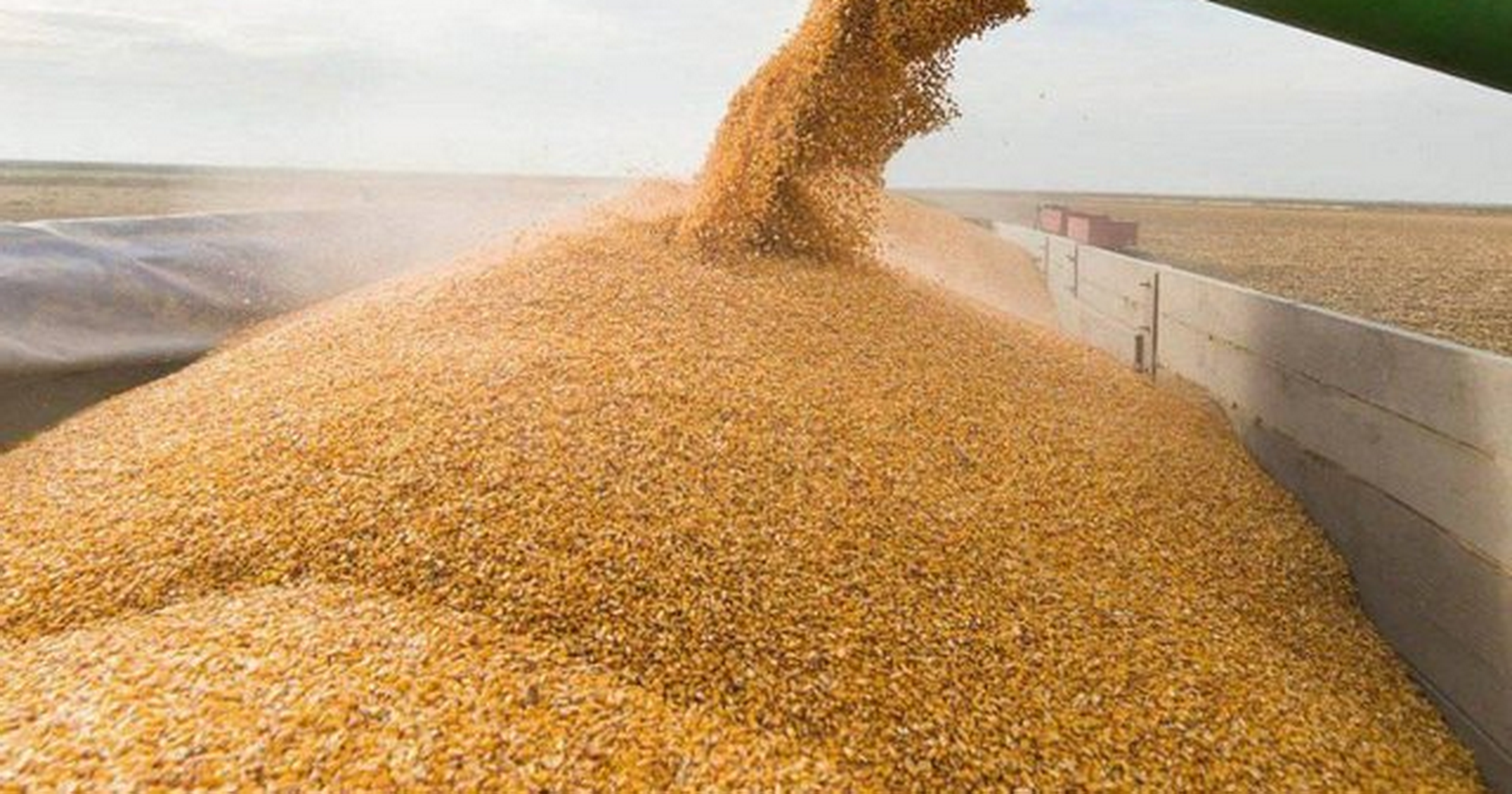
Latvia has introduced border checks on grain and animal feed consignments arriving from third countries, closing a gap that until now allowed food grain to cross the country without any verification of its declared origin. The Saeima, Latvia's parliament, passed the measure under urgent procedure on Thursday, 25 September, eurointegration.com.ua reported.
The change takes the form of amendments to the law on the circulation of animal feed. They oblige the Cabinet of Ministers to determine which consignments of animal feed from third countries are subject to border control, and to set the inspection requirements and the procedure under which the Food and Veterinary Service will carry the checks out. The stated purpose of the amendments is to prevent cargo stolen in Ukraine, grain in particular, from moving across Latvian territory.
A flexible mechanism rather than a fixed list
The need for such control was first identified in relation to feed consignments carried from Russia and Belarus and not intended for sale in the European Union. Legislators deliberately left the scope open: the types of goods inspected, the routes used and the way origin is declared may all change in future, so the control mechanism must be able to respond to those changes. In practice, the Cabinet of Ministers is tasked with defining:
- which third-country animal feed consignments are subject to border control;
- the requirements applied during inspections;
- the procedure under which the Food and Veterinary Service conducts them.
Latvia had already banned imports of Russian and Belarusian agricultural products and animal feed, and that ban was further extended in August 2026. The controls adopted on 25 September address a different channel altogether: goods that never formally enter the EU market at all.
The transit gap
Under the external transit customs procedure, third-country goods may cross the customs territory of Latvia and the European Union without being released for free circulation and without entering the EU market. That procedure is what the amendments target. Ukraine has supplied information on significant volumes of grain illegally obtained on occupied Ukrainian territories, along with a warning that part of that grain, accompanied by documents indicating Russian origin, may be shipped through Latvian ports.
The ministry acknowledges the practical hole in the existing system: until now, food grain has not been inspected with the aim of establishing its declared geographical origin. The amendments give the Food and Veterinary Service a legal basis to carry out precisely that verification at the border, on consignments the Cabinet of Ministers designates.
Rail tariffs and the Baltic corridor
The border controls are not the only lever under discussion. Latvia is separately considering an increase in the rail tariff for the transit of Russian grain, a step that would raise the cost of moving those volumes to Baltic Sea terminals. Ukraine, for its part, is examining options for exporting agricultural products through the ports of the Baltic states. According to Ukrainian estimates, up to 20 million tonnes of grain could potentially be exported through Baltic ports.
For traders, forwarders and terminal operators using the Latvian route, the immediate consequence is documentary. Consignments moving under external transit have so far faced no origin verification at the Latvian border; once the Cabinet of Ministers sets the list of goods and the inspection rules, cargo declared as Russian in origin becomes subject to checks that can hold it at the border. The flexible design of the mechanism means the list of controlled goods and the scope of inspections can be widened without new legislation, which leaves operators facing a compliance perimeter that may shift with the routes themselves.