Lampung plans Indonesia’s first national cassava research center
Lampung is preparing Indonesia’s first National Cassava Center with the University of Lampung and Bappenas. The province also plans cluster-based mocaf industrialization and a cassava-fed bioethanol plant after producing more than 7.5 million tonnes in 2025.
Indonesia’s first dedicated cassava research hub
The Lampung provincial government is accelerating preparations for the National Cassava Center, which Lampost.co reports will be Indonesia’s first national research center dedicated to cassava. The province is working with the University of Lampung and the National Development Planning Agency, known as Bappenas, on the project.
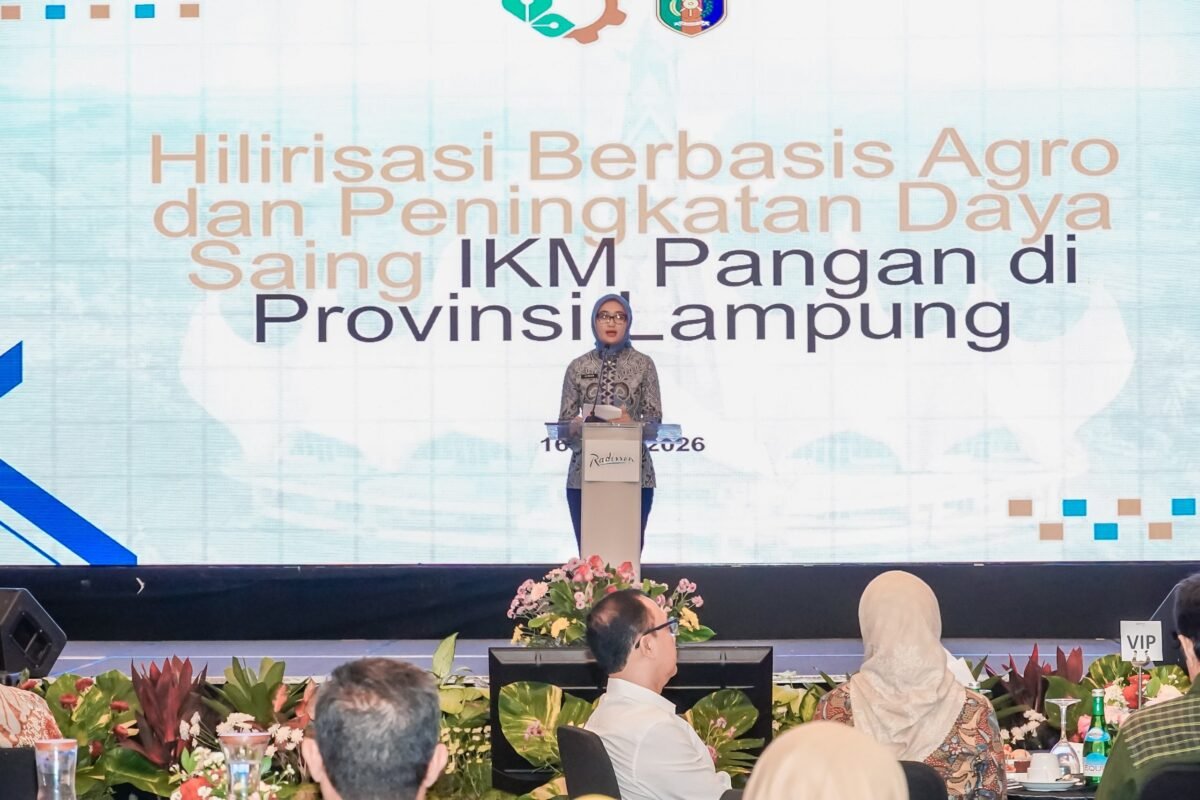
The center is intended to advance technological innovation, modern cultivation and practical solutions for Indonesia’s cassava industry. Lampung Deputy Governor Jihan Nurlela presented the plan during a meeting of food-sector stakeholders at the Radisson Hotel in Bandar Lampung in the middle of the week, according to Lampost.co.
No construction timetable, investment value, site or research budget was disclosed. However, the participation of both a university and the national planning agency indicates that the provincial government wants the center to connect agricultural research with commercial processing and national development policy.
Mocaf proposal targets downstream processing
Alongside the research center, Lampung has proposed a cluster-based industrialization program for modified cassava flour, commonly called mocaf, for designation as a National Strategic Project. The provincial government expects that status to accelerate downstream development and strengthen the competitiveness of one of Lampung’s leading commodities.
The proposal builds on an existing mocaf processing cluster in Pringsewu Regency. Jihan said the cluster had created new business opportunities and absorbed a large local workforce, although the source did not provide employment or production figures. The provincial government sees Pringsewu as a model that could be replicated elsewhere in Lampung.
Small and medium-sized food manufacturers are also part of the planned downstream ecosystem. Authorities want these businesses to process cassava into a broader range of higher-value products, raising local income and reducing the industry’s dependence on sales of unprocessed roots. For processors and growers, the success of this approach will depend on consistent quality, reliable procurement and sufficient demand for cassava-based ingredients.
Production supports bioethanol ambitions
Lampung produced more than 7.5 million tonnes of cassava during 2025, according to Jihan. The provincial government views that raw-material base as an opportunity to develop renewable energy through a cassava-fed bioethanol plant.
Jihan said the target was to construct the plant in cooperation with PTPN. She described the project as a driver of downstream processing that could increase the economic value of farmers’ output. Lampost.co did not report the proposed plant’s capacity, investment cost, location, ownership structure or commissioning date.
Together, the research center, mocaf proposal and bioethanol plan form an attempt to link cultivation, applied research and industrial demand. The projects could create additional outlets for Lampung’s cassava crop and encourage processors to invest in value-added production. They could also generate competition for feedstock among flour producers, food manufacturers and a future fuel plant.
The commercial effect remains dependent on implementation. Research results must reach farms and factories, while the industrial projects will require financing, infrastructure and stable supplies. Until detailed capacity and investment plans are released, the National Cassava Center is the most defined institutional step in Lampung’s effort to become Indonesia’s principal cassava development hub.