Kyrgyzstan’s meat imports outstrip exports 49-fold in first half of 2026
Kyrgyzstan imported 43,841.5 tonnes of meat and edible meat offal worth $50.3794 million in January-June 2026. According to for.kg, inbound shipments exceeded exports 49-fold, highlighting the domestic market’s reliance on foreign supply.
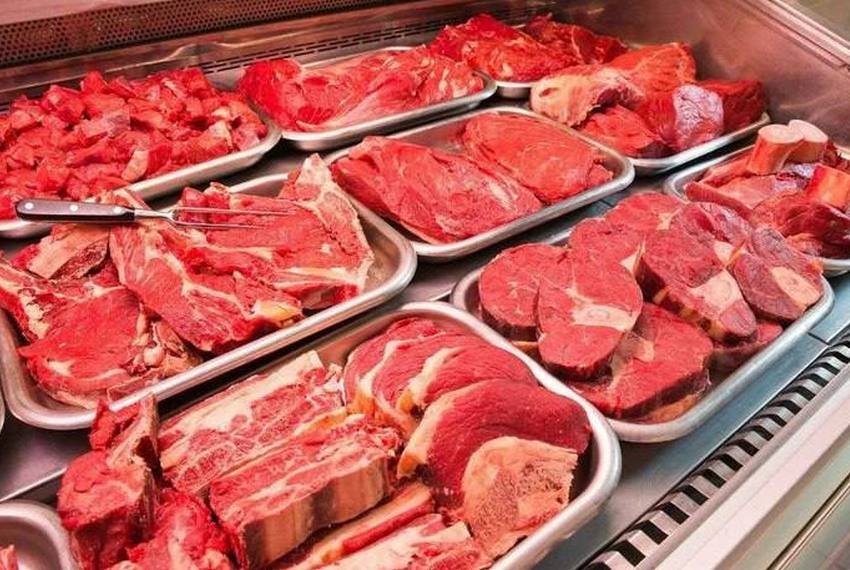
Imports reach 43,841.5 tonnes
Kyrgyzstan imported 43,841.5 tonnes of meat and edible meat offal during January-June 2026, according to for.kg. The shipments were valued at $50.3794 million, making imported animal protein a substantial component of the country’s food supply during the first six months of the year.
The reported figures imply an average customs value of about $1,149 per tonne across the combined product category. This is an indicative calculation rather than a market price: the total includes different types of meat and edible offal, which can vary widely in value, quality, processing level and intended use.
For processors, wholesalers and food-service companies, the volume demonstrates the commercial importance of access to external suppliers. Imported products can supplement domestic slaughter and provide specific cuts or offal required by processors and consumers. The available information does not identify the supplying countries or divide the total between fresh, chilled and frozen products.
Imports exceed exports by 49 times
For.kg reported that meat-product deliveries into Kyrgyzstan were 49 times greater than exports from the country. The source description does not specify whether this ratio was calculated by physical volume or customs value, so an export total cannot be reliably derived from the published figures.
Even with that limitation, the ratio shows that Kyrgyzstan was overwhelmingly a net importer in this product group during the period. Exporters accounted for only a small share of the recorded cross-border meat trade compared with companies serving the domestic market through imports.
The imbalance does not by itself establish that Kyrgyz meat production declined. Import demand may reflect consumption levels, seasonal supply, differences between the products made domestically and those required by buyers, or price and availability advantages offered by foreign suppliers. Production, consumption and inventory data would be needed to distinguish among those factors.
Implications for producers and buyers
Domestic livestock producers face a market in which imported meat and offal have a visible presence. Their competitive position will depend on production costs, slaughter capacity, product consistency and the ability to supply the cuts and volumes requested by processors and retailers. Importers, meanwhile, are exposed to currency movements, transport costs and any change in veterinary or border requirements.
The 49-fold gap also points to limited current export scale. Expanding outbound trade would require products that meet destination-market standards and can compete on price, specification and delivery reliability. Until more detailed data identify product types, origins and export destinations, the clearest conclusion is that foreign supply remains much more important to Kyrgyzstan’s meat market than overseas demand is to its meat industry.