Kyrgyzstan expands grain area by 1.8% to 617,700 hectares in 2026
Kyrgyzstan increased its grain planting area by 1.8% in 2026, with barley accounting for most of the expansion. Wheat area remained unchanged, meaning the effect on harvest volumes and import requirements will depend mainly on yields and weather.
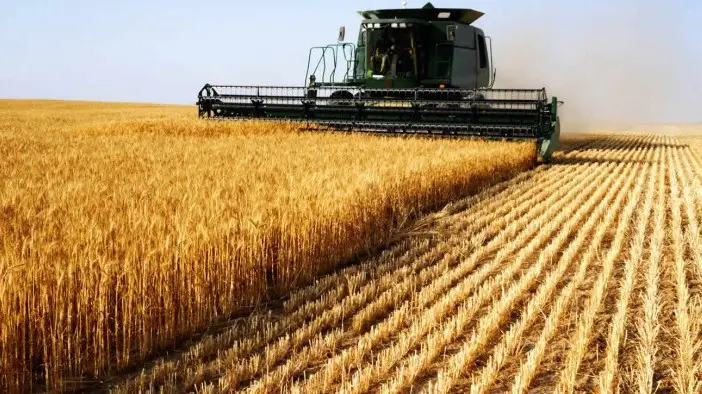
Grain area reaches 617,700 hectares
Kyrgyzstan planted 617,700 hectares with grain crops in 2026, an increase of 10,800 hectares, or 1.8%, from the previous year, according to Akchabar. The expansion gives the country a larger production base for the coming harvest, although the final volume will still depend on crop yields and growing conditions.
The increase was not evenly distributed among the principal grains. Barley plantings rose by 4.1% to 256,800 hectares, making barley the clearest source of additional grain area. Corn grown for grain increased by 0.5% to 112,000 hectares. Wheat occupied 247,500 hectares, unchanged from the previous year.
Barley drives the expansion
The difference between barley and wheat planting trends is important for assessing prospective supply. A larger barley area can raise the availability of feed grain if yields remain stable, while unchanged wheat acreage leaves the wheat harvest more dependent on productivity per hectare. The area data alone therefore do not indicate whether Kyrgyzstan’s wheat import requirements will decline.
The reported figures also show that the combined area stated for wheat, barley and grain corn is close to the country’s total grain area. For processors and traders, the crop mix matters alongside the headline 1.8% increase: additional barley is more directly relevant to livestock feed users, while flour millers remain exposed to the performance of the wheat crop.
Oilseed, potato and forage plantings also rise
Akchabar reported broader growth beyond grains. Oilseed acreage increased by 6.5% to 13,300 hectares, the fastest percentage rise among the crop groups listed. Potato plantings expanded by 3.1% to 66,700 hectares. These gains point to modest diversification of planted land, although both areas remain much smaller than the acreage allocated to the leading grains.
Forage crops covered 414,500 hectares, up 2.9% from a year earlier. Perennial grasses planted in previous years accounted for 338,600 hectares, an increase of 2.5%. The growth in both barley and forage area suggests that feed availability is an important part of the 2026 planting pattern, with potential implications for livestock producers and their input costs.
Import outlook depends on yields
The larger grain area improves the possibility of a higher aggregate harvest, but it does not guarantee one. No yield forecast or production estimate was included in the reported data. Weather, input use and harvesting results will determine how much of the additional land translates into marketable grain.
For importers and domestic buyers, wheat remains the key variable because its planted area did not increase. A strong yield could lift local supply without acreage growth, while weaker productivity could preserve the need for external purchases. Barley users have a clearer acreage-based buffer, but their actual supply position will likewise depend on the harvest. The 2026 figures consequently provide an early indication of crop availability rather than a complete forecast of Kyrgyzstan’s grain balance.