Kuningan prepares 1,500 hectares of Ciremai coffee for export markets
Kuningan’s government is organizing 1,500 hectares of coffee land to raise production and quality for export markets. The program builds on support from Bank Indonesia for Java Buana Ciremai coffee growers seeking better market access and farmer returns.
Kuningan puts 1,500 hectares on an export track
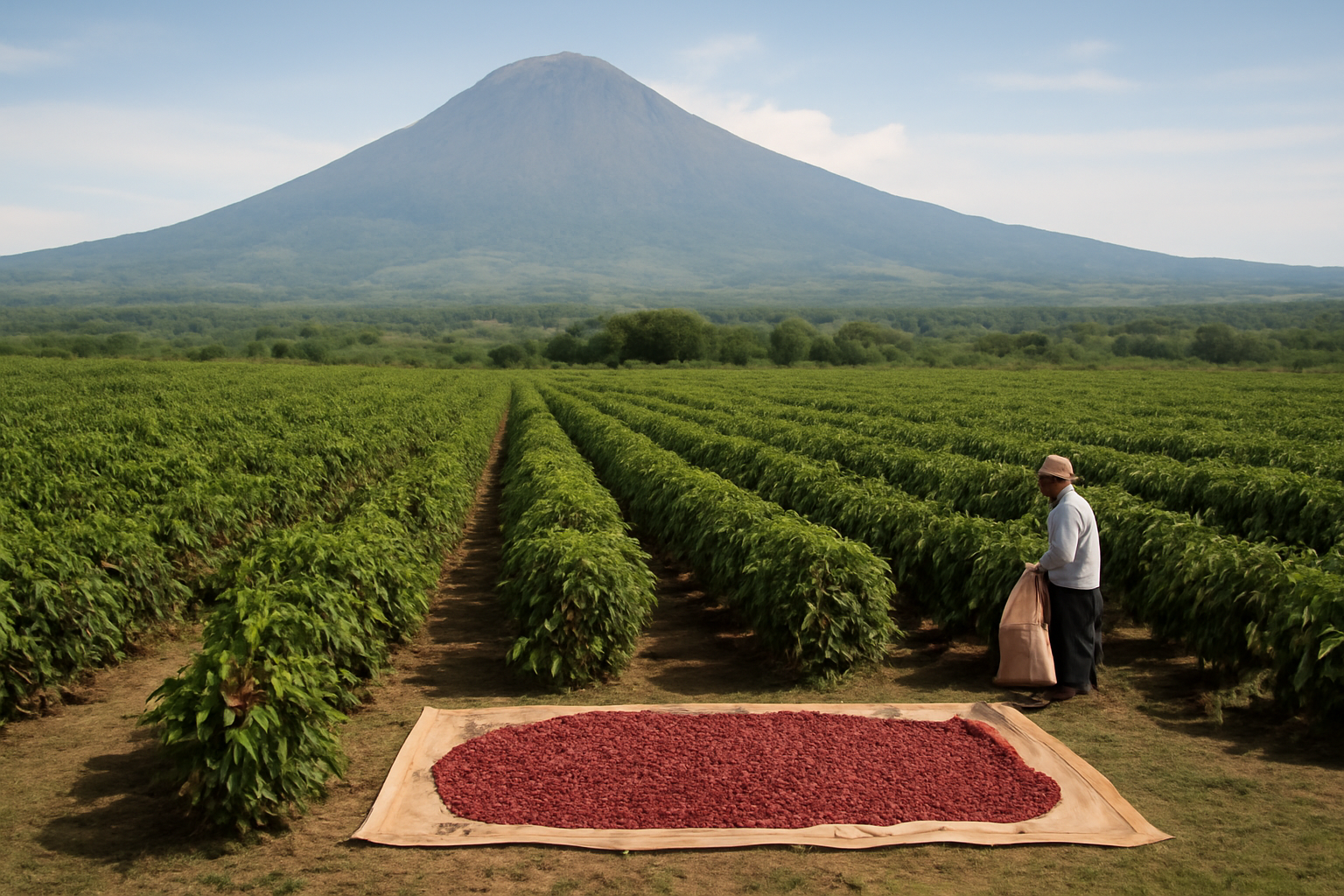
The government of Kuningan is organizing 1,500 hectares of coffee-growing land with the aim of supplying export markets, according to Bandung Bisnis. The initiative is intended to increase production and improve quality while strengthening the wider coffee ecosystem and supporting farmer welfare.
The program centers on coffee grown around Mount Ciremai and marketed as Java Buana Ciremai. Its export ambition marks a new stage for a local industry that, according to Detik, has been undergoing a transformation supported by efforts to improve quality and connect growers with markets.
The 1,500-hectare target defines the land base being prepared, but the reports do not specify expected output, an implementation schedule or prospective destination countries. They also provide no export price, investment value or shipment commitment. International sales should therefore be understood as the program’s objective rather than as a completed commercial result.
Quality and market access shape the program
Expanding cultivated or managed area alone will not secure overseas buyers. The Kuningan plan combines production work with quality improvements and ecosystem development, indicating that the authorities are addressing several stages between the farm and the market. For growers, the value of the program will depend on whether better quality translates into dependable sales and stronger returns.
Detik reports that assistance from Bank Indonesia has supported improvements in both coffee quality and market access. That support is relevant because an export-oriented supply base requires more than additional land: producers must be able to deliver coffee that buyers can evaluate consistently and purchase through functioning commercial channels.
The transformation has also been described through the shift from the local label “kopi melinjo” toward Java Buana Ciremai coffee aimed at the world market. The available reports do not detail the processing methods, coffee varieties, grades or certification requirements involved. Those elements will be important in determining which market segments the coffee can enter, but no specific claims can yet be made about them.
Farmer returns remain the commercial test
Both reports link the initiative to farmer welfare. For producers, however, an export label matters only if it improves the economics of cultivation through better market access, more reliable demand or higher returns. The disclosed information does not include farmgate prices, farmer numbers or purchasing arrangements, leaving the distribution of any future gains unclear.
The immediate significance of the plan is the attempt to organize a sizeable production base around a defined regional identity. Kuningan now has a 1,500-hectare export target and institutional support for quality and market access. The next test will be converting that foundation into verifiable output, buyer relationships and recurring sales without allowing quality to vary as participation expands.