Korean Food Moves into Singapore's Mainstream Retail, From Instant Noodles to Fresh Strawberries
FairPrice, described as Singapore's largest retailer, has given Korean fruit and vegetables a dedicated K-Fresh Zone inside its fresh produce section. The assortment now runs from shelf-stable instant noodles to perishable strawberries, perilla leaves, Korean zucchini and enoki mushrooms. The shift moves Korean agri-food from specialist stores into mainstream grocery shelves.
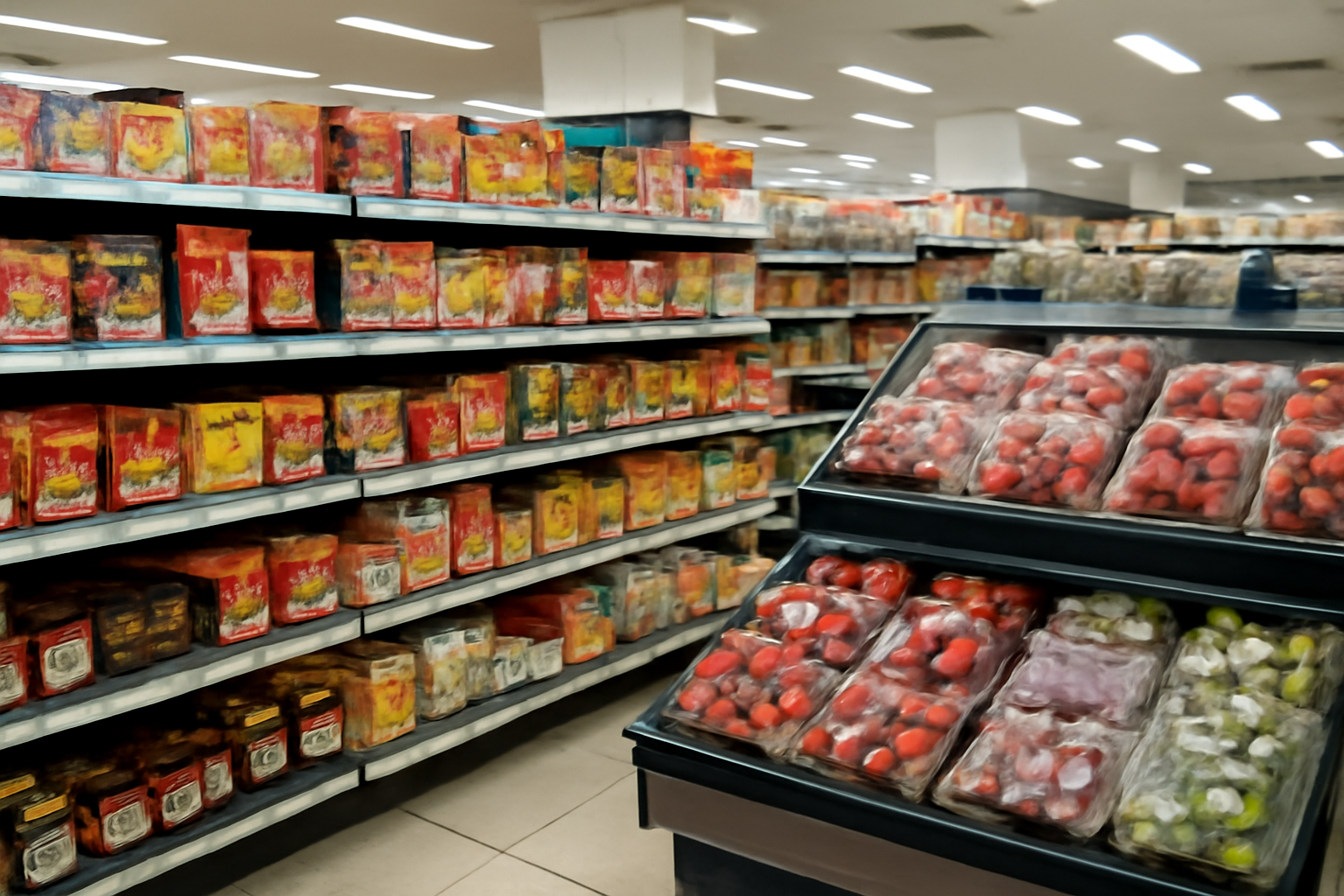
Korean produce gets its own zone at FairPrice
Korean food in Singapore has moved beyond specialist Korean grocers and restaurant menus into the country's mainstream retail channels. At FairPrice, described in Korean media coverage as Singapore's largest retailer, a dedicated K-Fresh Zone now sits inside the fresh produce section, and the display draws shoppers every day.
The format matters more than the size of the fixture. A branded zone in the fresh aisle gives Korean vegetables and fruit permanent, visible shelf space next to local and regional produce, rather than leaving them in an ethnic-foods corner visited mainly by Korean residents and expatriates. For a supplier, that is the difference between an occasional promotion and a standing listing with regular replenishment.
From ramyeon to strawberries
The assortment spans the full range of Korean agri-food exports, from ambient packaged goods such as instant noodles to highly perishable fruit. The items grouped in the K-Fresh Zone are those familiar from any Korean supermarket:
- bean sprouts and perilla leaves;
- Korean zucchini, known as aehobak;
- enoki mushrooms;
- sweet potato, alongside fresh strawberries as the showcase product of the category.
In-store presentations built around Korean home cooking, including cucumber salad (oi-muchim) and pan-fried zucchini (hobak-jeon), are used to show local shoppers how the ingredients are prepared. That step carries commercial weight: perilla leaves and Korean zucchini have no established role in Singaporean or wider Southeast Asian home kitchens, so demand depends on teaching new usage rather than on undercutting existing lines on price.
Fresh produce is the harder export
The two halves of the assortment sit at opposite ends of the supply chain. Instant noodles and other ambient packaged goods travel by sea, hold for months and tolerate delays at the port. Strawberries, enoki mushrooms and perilla leaves are measured in days: they need air freight or tightly controlled reefer capacity, quality inspection on arrival and a retailer willing to absorb shrinkage. A single rejected consignment can wipe out the margin earned on several successful ones.
Singapore is a demanding but logical proving ground for that trade. The city-state relies on imports for the bulk of its food supply, its port and airport handle perishables at scale, and its shelf space is contested by suppliers from every producing region at once. An exporter that can hold quality on strawberries or leafy vegetables into Singapore has demonstrated the cold-chain discipline that other high-value Asian markets demand.
What it means for exporters
The commercial pattern visible at FairPrice is that packaged Korean food built the awareness and fresh produce is now converting it. Consumer familiarity created by Korean restaurants, popular culture and processed staples lowers the cost of introducing an unfamiliar vegetable; the in-store cooking demonstrations then turn that familiarity into a repeat grocery purchase rather than an occasional restaurant order.
The constraint is the durability of demand. Fresh categories built on a cultural trend hold only if quality is consistent week to week and if pricing moves from novelty levels toward everyday levels as volumes grow. For Korean growers and shippers, and for importers and distributors in Singapore, the practical question raised by the K-Fresh Zone is whether supply can be scheduled reliably enough to keep a permanent fixture full through the year, including across Korean seasonal gaps in items such as strawberries.