Korean chamoe melon gains young consumers in Japan as exports rise 39%
South Korean chamoe exports to Japan reached 271 tonnes last year, up 39%, as the small yellow fruit gained traction among younger consumers. Retail expansion, social media exposure and a Japanese functional-food registration are supporting its premium positioning.
Japan becomes the leading market for Korean chamoe
South Korea’s yellow chamoe melon is finding a growing market among younger Japanese consumers, supported by its compact size, relatively accessible price and association with Korean food culture. Sold locally as “chame” and frequently presented as a “Korean melon,” the fruit is appearing in supermarkets, social media posts and café menus after largely disappearing from Japanese cultivation.
According to South Korea’s Ministry of Agriculture, Food and Rural Affairs and the Korea Agro-Fisheries & Food Trade Corporation, known as aT, Japan is the largest export market for Korean chamoe. Shipments to Japan reached 271 tonnes last year, an increase of 39% from the previous year. Export value rose 31.4% to approximately $1.055 million, or about 1.6 billion won. Over the past four years, shipment volume has increased more than fourfold.
The expansion continued this year. Cumulative exports through April reached 99 tonnes, 37% above the corresponding period a year earlier, Wikitree reported. South Korean authorities have designated chamoe as a strategic fruit for the Japanese market this year, placing it alongside broader efforts to develop additional Korean food exports.
Retailers and cafés broaden consumer exposure
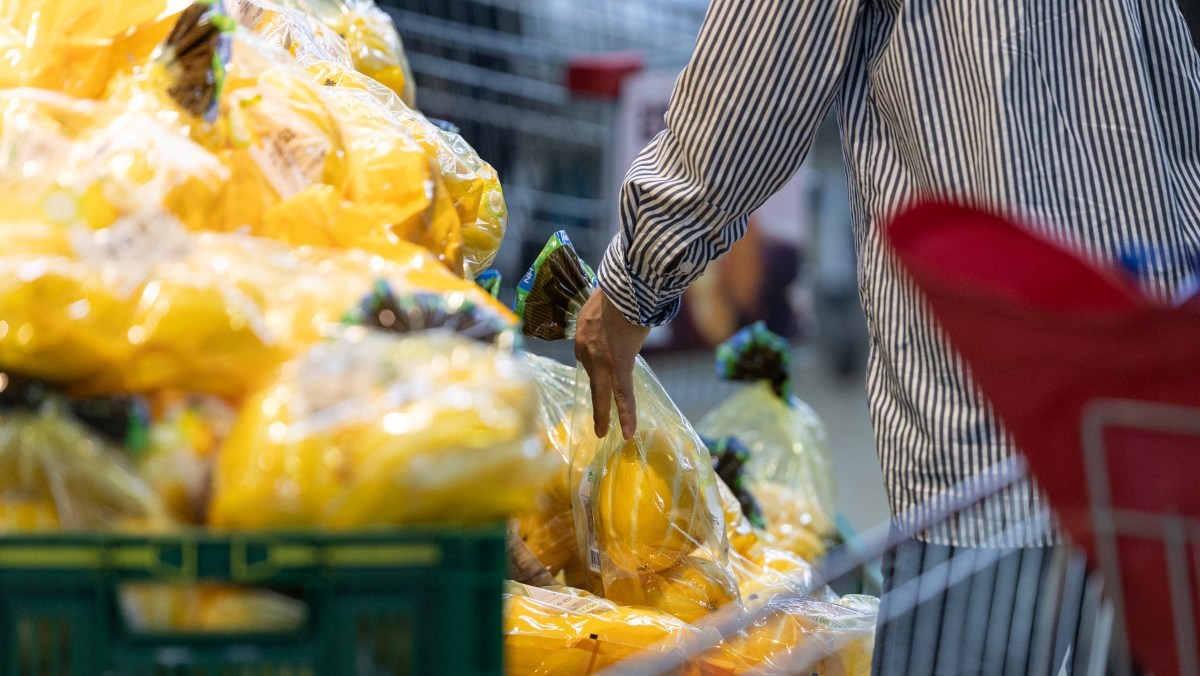
About 400 stores operated by major Japanese retail channels, including Don Quijote, AEON Retail and Makiya, have installed dedicated chamoe displays or tasting areas. Cafés in Tokyo’s Harajuku district have also introduced chamoe-based desserts and drinks, including tarts and milk soda. On social media, consumers are sharing tasting photos and searching under Japanese and English versions of the fruit’s name.
Chamoe occupies a different position from the larger and often more expensive melons familiar to Japanese shoppers. Its smaller size makes it suitable for individual consumption, an advantage in a country where the share of single-person households is increasing. An AEON fruit manager cited by Wikitree also noted that consumers can eat the seeds, leaving a relatively large edible portion despite the fruit’s compact size.
Consumer acceptance is not universal. Some first-time buyers find the texture unfamiliar and consider the numerous seeds inconvenient. Others describe the fruit as crisp and clean-tasting, while repeat purchases reported at tasting events indicate that familiarity can translate into regular demand. Retail demonstrations therefore serve both as promotion and as practical instruction on how to eat a fruit still unfamiliar to many Japanese shoppers.
Functional label supports premium positioning
Korean chamoe has also been registered with Japan’s Consumer Affairs Agency as a food with functional claims related to GABA, a component that may help reduce stress. Export promoters are using that registration to position the fruit not merely as a cheaper substitute for melon, but as a premium product with an identifiable health-related attribute.
An aT representative in Japan said chamoe has growth potential because it can compete as both a melon alternative and a fruit carrying a stress-relief functional claim. Visibility from Korean cultural content, YouTube and Instagram has added another route to consumers, with the fruit increasingly presented as something visitors should try in South Korea.
A Japanese-origin variety returns as a Korean export
The trade carries an unusual agricultural history. The yellow chamoe commonly eaten in South Korea traces its roots to a melon line once cultivated in Japan. After largely disappearing there, it underwent long-term varietal improvement in South Korea and is now returning to Japan as a Korean-grown product.
South Korea’s agriculture ministry and aT aim to develop chamoe into a representative Korean food export alongside kimchi and seaweed. Their planned marketing will emphasize eating methods and the fruit’s functional characteristics. Continued retail availability, tastings and product development will determine whether the current interest among younger shoppers becomes a stable category for Korean growers and Japanese distributors.