Kenyan seed firms accelerate drought-resistant maize development
Kenyan seed producers are introducing faster-maturing maize hybrids as depressed rainfall causes crop losses exceeding 60% in some areas. New varieties require less than 350mm of rain, compared with about 800mm for traditional hybrids, and some mature within 90 days.
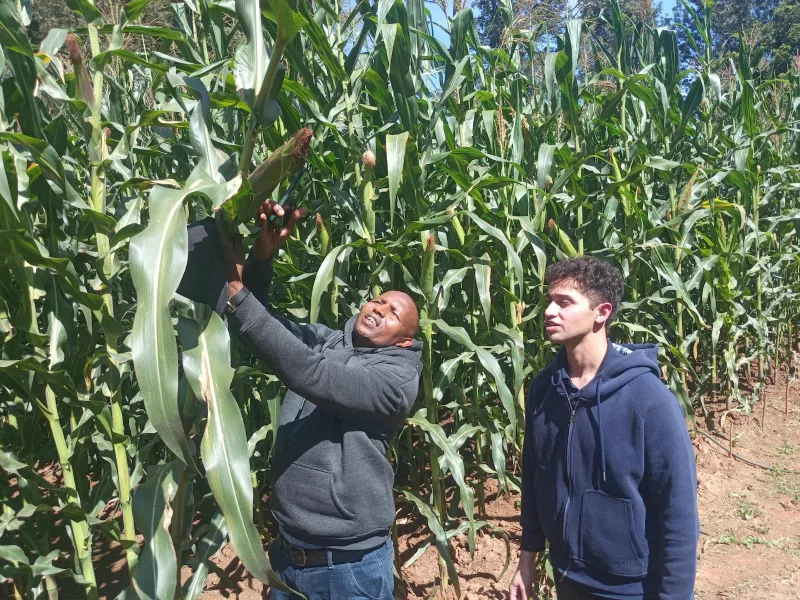
Seed producers respond to worsening rainfall risks
Maize seed companies in Kenya are accelerating research into climate-resilient varieties as unpredictable weather raises risks for farmers and the country’s food supply. The Star reports that failed rains have already caused significant damage in major producing regions, with farmers losing more than 60% of their crops in some areas after maize fields dried up.
The losses are increasing demand for seeds that can either mature before rainfall ends or withstand dry periods during sensitive stages of plant development. Maize is particularly exposed because the amount and timing of rainfall influence both yields and the ability of farmers to recover spending on seed and other inputs. For seed producers, this creates a market for hybrids designed around shorter and less reliable growing seasons.
New hybrids cut rainfall and maturity requirements
Western Seed Company has introduced a new generation of drought-mitigation maize varieties developed with the Kenya Agricultural and Livestock Research Organisation, known as Kalro. At least seven varieties have been released to the market. The company says its early-maturing hybrids are intended to perform across Kenya’s different ecological conditions, including dryland areas.
Among them is Aminika WH505, an ultra-early variety that matures within 90 days and needs 250mm of rainfall. Western Seed commercial lead Tarek Albalah said it is suitable for Turkana, Kitui, Makueni and Baringo counties. The company’s newer hybrids generally require less than 350mm of rain to mature, while traditional varieties need about 800mm. Other fast-maturing products on the market include Haraka WH101, WH301, WH401, WH507 and WH508. According to Albalah, the company has bred maize that can either escape drought by completing its cycle in 90 days or tolerate 21 days without water during flowering, a stage when moisture stress can severely affect crop performance.
Production capacity and regional reach expand
Western Seed has also expanded its operations beyond Kenya into Uganda, Tanzania and Zambia. Senior technician Simon Kipngetich said the company increased seed production from seven million kilograms to 12 million kilograms after adopting irrigation. That increase of five million kilograms strengthens its ability to supply growers as demand for shorter-cycle varieties develops across markets exposed to erratic rainfall.
Kenya Seed Company is pursuing a similar product strategy. Its newer H6506, H675 and H6507 varieties mature in 90 to 110 days and require about 350mm of rainfall. Older hybrids such as H614 and H625 need about 800mm and can take up to 180 days to mature. The difference could give farmers more flexibility over planting windows and reduce the period during which crops remain exposed to a failed rainy season. The companies have also introduced four-layer seed-coating technology to protect seed against pest attacks. The new genetics cannot eliminate production risk, but their lower water requirements and shorter growing cycles give farmers additional options as drought becomes a more immediate commercial and food-security concern.