Ken Meat Builds Annual Gulf Export Business Around One Million Kenyan Goats
Ken Meat has developed an annual export operation involving one million goats for markets in Bahrain, Kuwait, Oman, Qatar, Saudi Arabia and the United Arab Emirates. The business gives Kenya a large, diversified outlet for small ruminants and strengthens East Africa’s commercial links with Gulf meat buyers.
A million-goat export operation
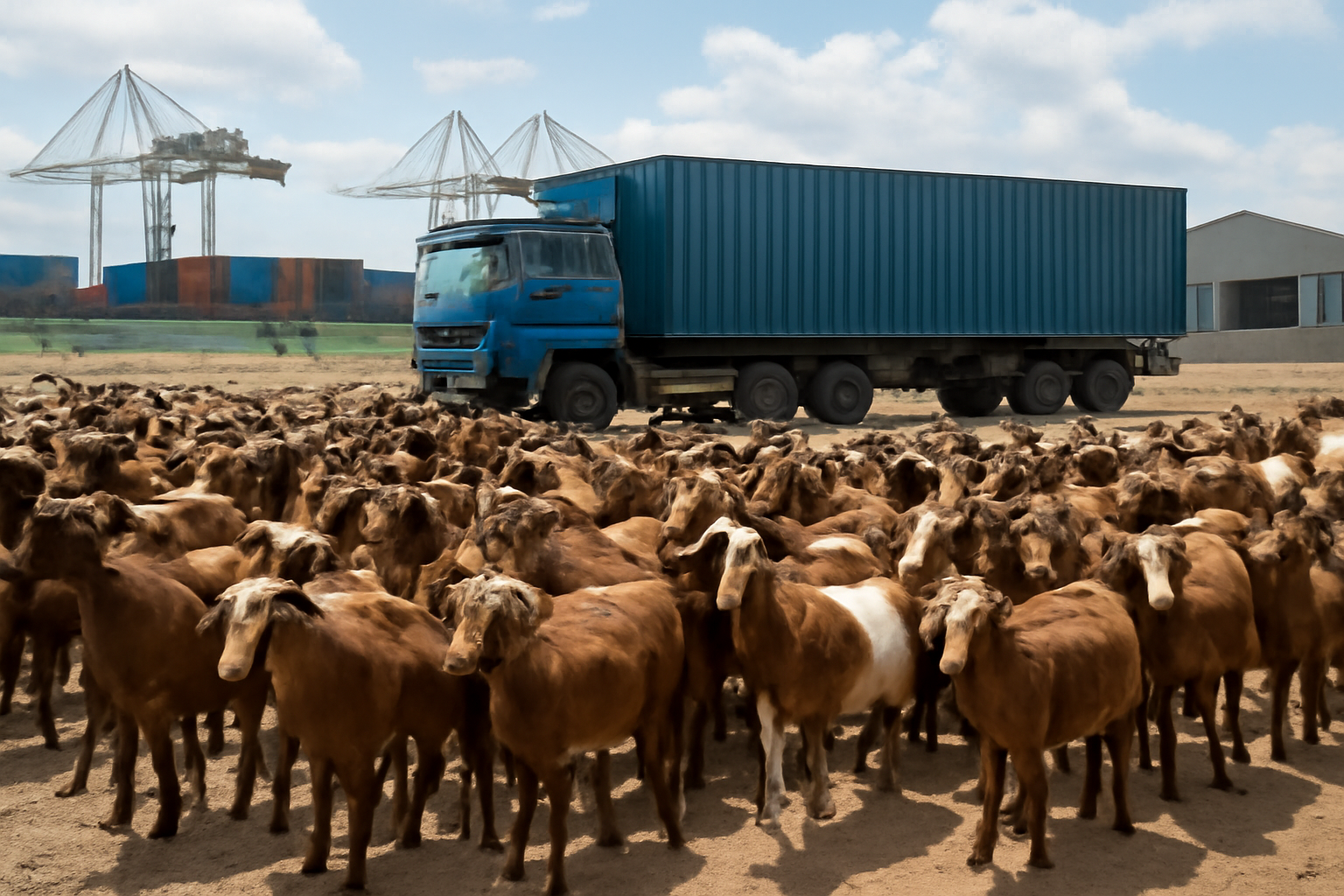
Kenyan processor Ken Meat has built an annual export business involving one million goats, establishing a large commercial outlet for the country’s small-ruminant sector. The company serves buyers in Bahrain, Kuwait, Oman, Qatar, Saudi Arabia and the United Arab Emirates. That geographic spread gives the operation access to six Gulf markets rather than tying sales to a single destination.
The available information does not specify whether the figure represents goats purchased, processed or shipped as meat, nor does it disclose export volumes by weight or value. It nevertheless provides a clear measure of the livestock base supporting the operation: one million animals a year. For producers and livestock traders, an outlet of that scale can create recurring demand, while the processor must secure consistent supplies and prepare products that meet the requirements of several destination markets.
Six Gulf markets reduce concentration
Ken Meat’s customer base covers both the largest Gulf economies and smaller regional markets. Saudi Arabia and the UAE sit alongside Bahrain, Kuwait, Oman and Qatar in the company’s destination portfolio. Serving all six countries reduces dependence on any one national market, although it also requires the exporter to manage separate customer relationships, shipment schedules and market conditions.
The business connects Kenyan livestock production with Gulf demand for small-ruminant products. It also places Ken Meat between two distinct parts of the value chain: dispersed animal supply in East Africa and commercial buyers abroad. The processor’s ability to maintain annual throughput is therefore important not only to its own sales but also to farmers, aggregators, transporters and other participants supplying goats to the processing system.
Implications for East African livestock trade
A regular export channel built around one million goats can broaden the commercial role of small ruminants in Kenya. Goats can move beyond local and domestic trading networks into a processor-led chain serving several foreign markets. That creates an incentive for suppliers to focus on dependable availability and consistent animals, even though the source material provides no details on procurement terms, prices, breeds or quality specifications.
The operation also demonstrates that an East African processor can develop a regional Gulf customer base around a single livestock category. Its durability will depend on maintaining animal supply and reliable access to all six markets. No revenue, capacity, price or growth figures have been disclosed, so the financial scale cannot be assessed from the available material. The confirmed annual figure, however, makes Ken Meat a significant organized buyer of goats and gives Kenyan suppliers direct exposure to demand across the Gulf.