Kazakhstan to ban Polish apple imports from August through December 2026
Kazakhstan will ban imports of Polish apples from 1 August through the end of December 2026. The five-month restriction removes access to the Kazakh market during a commercially important period for Polish orchard growers and exporters.
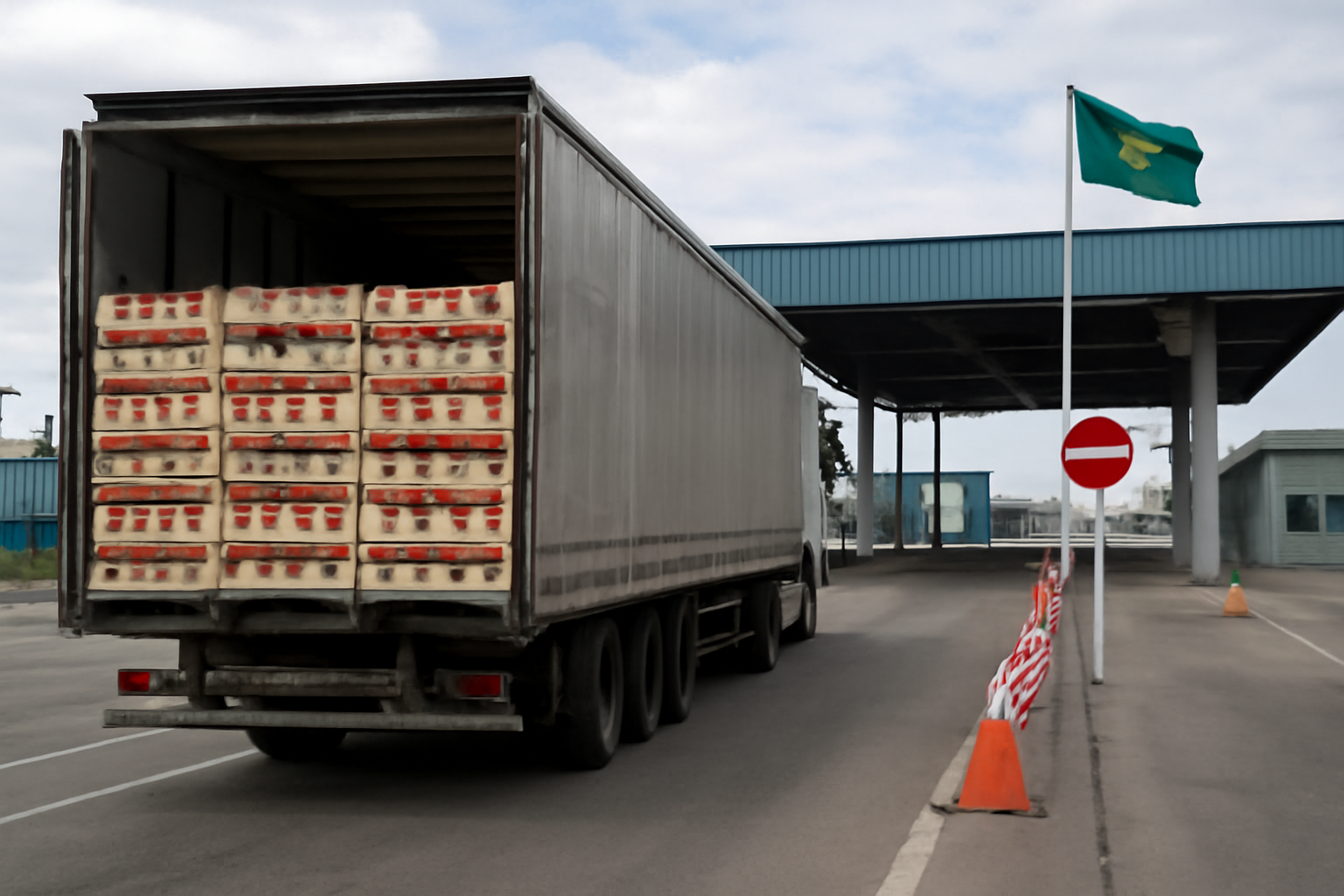
Five-month restriction announced
Kazakhstan will prohibit imports of Polish apples from 1 August until the end of December 2026. The five-month measure directly affects Polish orchard growers, packing companies and exporters supplying the Kazakh market. No information has been provided on the volume or value of trade covered by the restriction.
The available announcement does not identify the authority responsible for the decision or explain its legal basis. It also gives no reason for the ban and does not state whether it is related to plant health, domestic market protection or another policy objective. These unanswered questions will determine how companies assess the risk of an extension or further restrictions.
Exporters face a narrower sales window
The timing is significant for the Polish apple industry because the measure will remain in force for five consecutive months. Exporters will be unable to ship Polish-origin apples to Kazakhstan throughout that period and will need to review sales commitments, transport plans and customer arrangements linked to the destination.
Growers and packing businesses may have to redirect fruit intended for Kazakhstan to other buyers. That could increase competition among Polish suppliers in alternative markets, although the scale of any effect cannot be established without data on contracted quantities, inventories and Kazakhstan’s share of Polish apple sales. The commercial impact will also depend on whether exporters can place the fruit elsewhere on comparable terms.
Kazakh buyers must adjust procurement
Importers and distributors in Kazakhstan will need to remove Polish apples from procurement plans between August and December 2026. They may seek supplies from other origins or rely on fruit already available in the domestic market, but no information has been released about substitute suppliers, expected availability or prices.
Market participants will now look for implementing documents that clarify which customs entries and shipments are covered, how goods already contracted or in transit will be treated, and whether exemptions are possible. Until those details emerge, the confirmed facts remain limited: the measure applies to Polish apples, starts on 1 August and is scheduled to last through the end of December 2026. For Polish growers and exporters, the immediate task is to identify exposed orders and alternative outlets before the restriction begins.