Karnataka’s areca nut belt expands into drier districts as water risks rise
Areca nut cultivation is spreading from Karnataka’s rainy coastal belt into irrigated central districts. The state produces about 73% of India’s crop, but the expansion is increasing growers’ exposure to groundwater depletion, erratic monsoons and extreme heat.
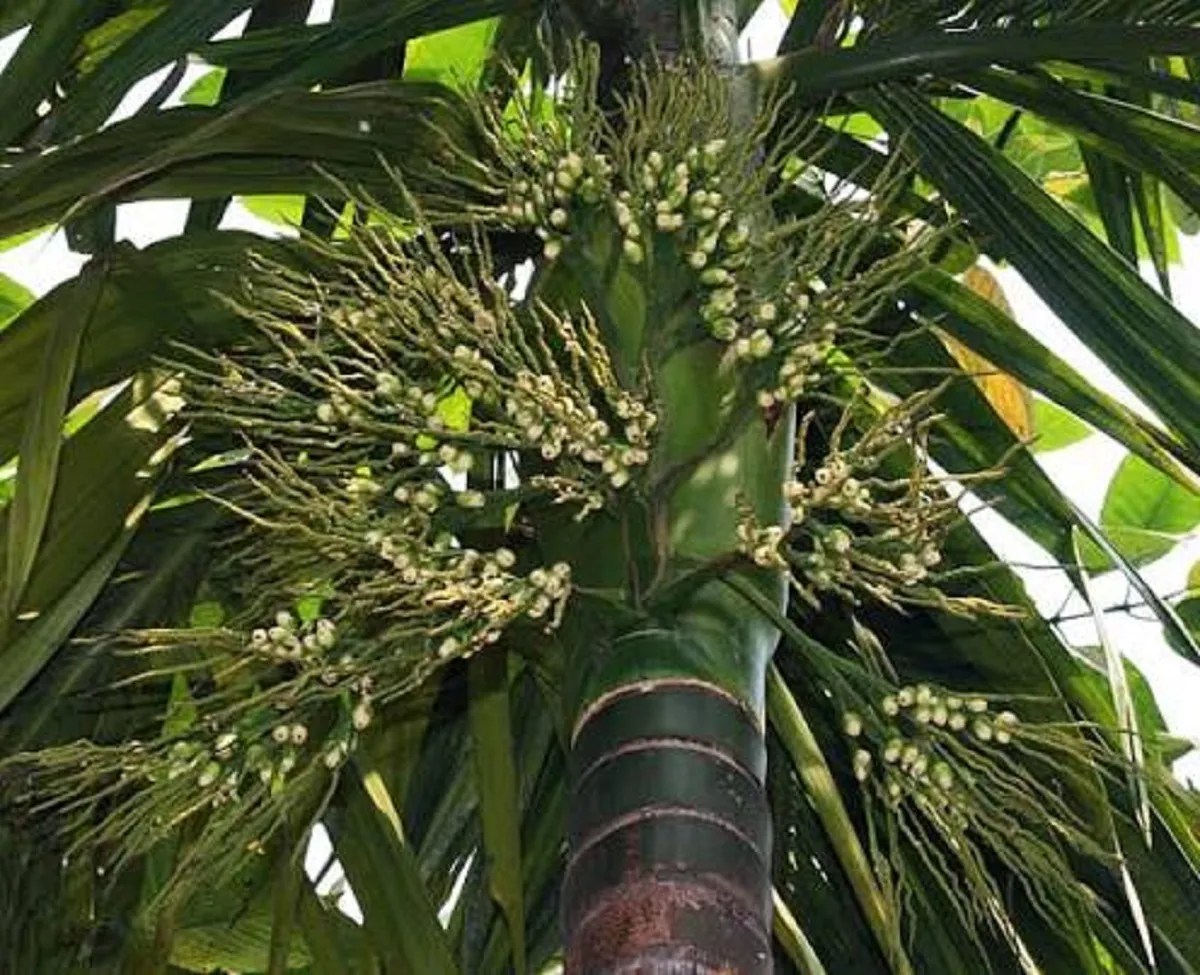
Plantations move beyond the traditional belt
Karnataka’s areca nut growing map is changing as plantations spread from the high-rainfall Western Ghats and coastal districts into irrigated but comparatively dry parts of central Karnataka. Patrika reports that the state accounts for about 73% of India’s areca nut production and has approximately 677,000 hectares under the crop, making changes in its growing conditions significant for the national supply base.
For decades, production was concentrated in Shivamogga, Uttara Kannada, Dakshina Kannada, Udupi and Chikkamagaluru. Over the past two decades, cultivation has expanded into irrigated areas of Davanagere, Haveri, Tumakuru and Chitradurga, as well as parts of Hassan. Agricultural research cited by Patrika indicates that planted area has continued to increase in these non-traditional locations. Wider access to irrigation, growing adoption of drip systems and farmers’ preference for higher-return horticultural crops are driving the shift.
Long-term income requires substantial investment
Growers are moving away from crops such as sorghum and rice because areca nut can provide regular income over a long production cycle. Trees generally begin commercial production around five to seven years after planting and can continue yielding for 30 to 40 years or longer. During the establishment period, farmers can generate additional revenue by intercropping banana, black pepper and ginger.
Agricultural specialists estimate that a mature plantation can produce annual net income of INR 200,000 to INR 400,000 per acre, depending on yields, market prices and farm management. The figures help explain the attraction of the crop, but new entrants must finance planting, irrigation and maintenance for five to seven years before commercial harvesting begins. Areca nut is therefore a long-duration investment rather than a source of quick returns.
Water and climate pressures shadow expansion
Water availability is the central constraint. Areca palms require regular moisture throughout the year. Rainfall supplies much of that need in traditional districts, while growers in newer areas rely on borewells, canals and drip irrigation. Scientists say drip systems can reduce water use substantially, but falling groundwater levels and irregular monsoons raise questions about the durability of production in drier districts. Erratic rainfall, prolonged dry periods and extreme temperatures are already affecting both yields and quality. Fruit rot and yellow leaf disease are additional threats.
Experts cited by Patrika warn that costs could rise unless rainwater harvesting, micro-irrigation and scientific orchard management are expanded. The issue also has a trade dimension: India exported about 2,396 tonnes of areca nut worth approximately $12.55 million in 2024-25. Demand has remained present in the United Arab Emirates, the United Kingdom, Malaysia, Sri Lanka, Bhutan and the Maldives. Better quality, processing and value addition could support further export growth, but Karnataka’s ability to supply domestic and overseas buyers will increasingly depend on how growers manage water and climate risks.