Jordan’s crop self-sufficiency reaches 62% as some products exceed domestic demand
Jordan has reached a 62% self-sufficiency rate in agricultural crops, Agriculture Minister Saeb Khreisat said. Some crops exceed 120%, while poultry and table egg production also generates surpluses that can support exports.
Crop self-sufficiency reaches 62%
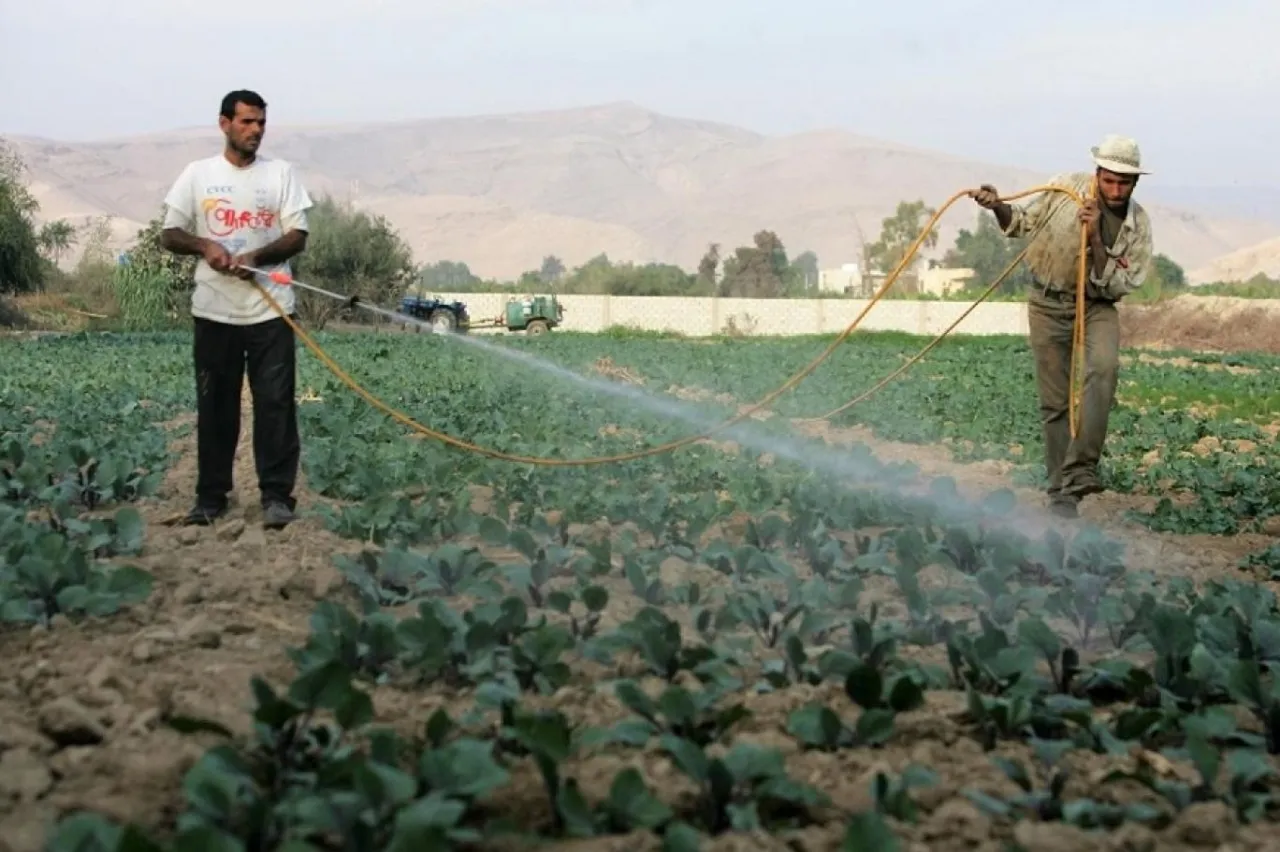
Jordan’s self-sufficiency rate for agricultural crops has reached 62%, Agriculture Minister Saeb Khreisat said, indicating that domestic farms now cover a substantial share of the country’s crop requirements. The figure nevertheless shows that Jordan continues to depend on external markets for part of its overall supply.
Khreisat told Khaberni that Jordan records good production across many categories of vegetables and fruit. The minister did not provide production volumes, a commodity-by-commodity breakdown or a comparison with previous years, but said several essential products consumed in Jordan are available in abundance.
Self-sufficiency exceeds 120% for some crops, according to the minister. A ratio above 100% means production is greater than domestic market requirements, leaving volumes that can be sold abroad or otherwise managed to prevent excessive pressure on local prices and farmers’ returns.
Surpluses extend to poultry and eggs
Jordan is also producing more poultry and table eggs than its domestic market requires, Khreisat said. No separate self-sufficiency ratios or output figures were disclosed for these products, although their inclusion broadens the reported surplus beyond vegetables and fruit.
The figures point to an uneven agricultural supply position. Jordan has excess output in certain crop and livestock categories while the nationwide crop ratio remains at 62%. For producers, processors and traders, the practical market conditions therefore depend on the individual commodity rather than the national average alone.
The Agriculture Ministry continuously monitors production, available quantities and market conditions, according to Khreisat. Its stated objective is to balance the interests of producers and consumers while maintaining adequate availability and stable prices.
Exports used to manage excess production
When domestic output exceeds local requirements, the ministry can open exports for affected agricultural products. Khreisat said this flexible mechanism is intended to support farmers and make use of quantities that cannot be absorbed by the Jordanian market.
When a product is in short supply, the authorities take a different approach. The ministry can increase available stocks and regulate exports to protect domestic supply and price stability. Decisions on exports or stock accumulation are based on production volumes and market requirements, the minister said.
The policy makes export access dependent on the balance between current output and domestic consumption. Surplus crops, poultry and eggs may create opportunities for exporters, but the government can adjust trade conditions if local availability weakens. Jordan’s 62% crop self-sufficiency rate consequently represents both progress in domestic food provision and continuing exposure to foreign supply for the portion of demand not covered by local production.