Japan's recovered paper export tender hits 27-month high at 23.6 yen per kilogram
The Kanto recovered paper association settled its September-loading export tender at 23.6 yen per kilogram, up 0.50 yen or 2.2 percent from August. Nikkei reports it is the highest level in two years and three months, with exports to Asia remaining firm. Most Japanese old corrugated containers are shipped to markets including Taiwan and Vietnam.
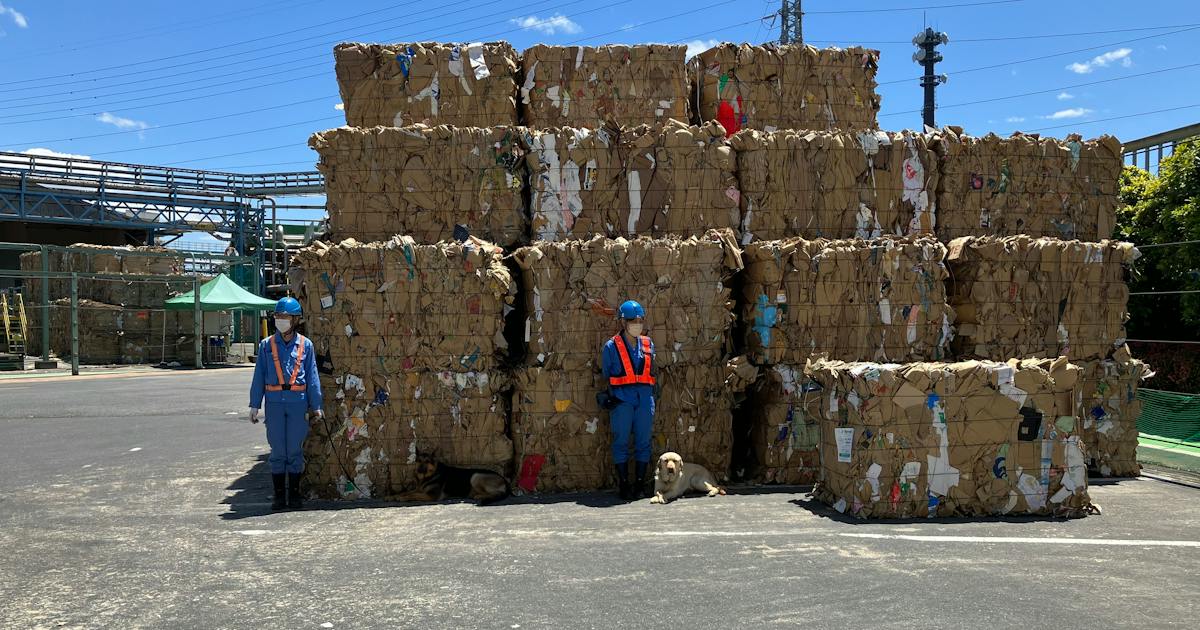
Export tender prices for Japanese recovered paper rose again in the September loading round, reaching their highest level in two years and three months as buying from Asian containerboard producers held firm, Nikkei reported.
September tender settles at 23.6 yen per kilogram
The Kanto Paper Raw Material Direct Delivery Trade Association, a body of recovered paper distributors based in Tokyo's Taito ward and known in the trade as Kanto Shokumi, set its export tender price for September-loading cargoes at 23.6 yen per kilogram. The figure, which is the association's buying price, was 0.50 yen higher than the August-loading tender, a gain of 2.2 percent, and the highest in two years and three months, according to Nikkei. The move implies an August-loading level of 23.1 yen per kilogram.
The tender is open to trading houses that export old corrugated containers (OCC), the grade that makes up the bulk of Japan's recovered paper shipments. Because it is held every month and settles at a single clearing price, the result serves as a reference point for collectors, sorting yards and domestic paper mills well beyond the Kanto region.
A 2.2 percent monthly step is material in a market priced in low-double-digit yen per kilogram, where collectors, balers and exporters work on margins measured in fractions of a yen. At 23.6 yen per kilogram, the September clearing level is equivalent to 23,600 yen per tonne.
Asian demand remains the anchor
Nikkei attributed the increase to continued strength in exports to Asia. Most Japanese OCC is shipped to Asian destinations including Taiwan and Vietnam, where containerboard mills rely on recovered fibre as their main furnish.
For those buyers, Japanese material competes with collection inside their own markets and with supply from other exporting origins. The report covers only the Kanto association's tender and does not quote prices from other origins, so the September result is best read as an indicator of Japanese clearing levels rather than a regional benchmark.
The report did not break down September volumes by destination or give comparable price levels in other currencies. The yen-denominated tender therefore remains the clearest available read on where Japanese material is clearing.
What the 27-month high means for the supply chain
A tender price at a 27-month high changes the arithmetic at several points along the chain:
- Exporting trading houses have bid the association's buying price up by 0.50 yen per kilogram in a single month, lifting their input cost for cargoes heading into Asian markets.
- Japanese collectors and processors gain a stronger price floor, because tonnes can move offshore if domestic bids lag the tender.
- Domestic paper mills face sharper competition for the same material, as the export channel sets an increasingly visible alternative price.
- Containerboard producers in Taiwan and Vietnam absorb a fibre cost that has risen month on month.
Whether the level holds will depend on operating rates at Asian containerboard mills and on how far Japanese domestic buyers are prepared to follow the export market. The October-loading tender is the next test, and it will show whether the September gain reflects sustained Asian demand or a single month of tight supply. Until then, 23.6 yen per kilogram stands as the highest price the Kanto association has paid since mid-2024.