Japan Audits Brazil's Sanitary System, Eyeing November Beef Market Opening
Japan's MAFF began a four-day audit of Brazil's animal sanitary system on October 10, a step that could open the Japanese market to Brazilian beef as early as November. The inspection is step six of a twelve-stage approval process, boosted by Brazil's new WOAH-certified nationwide freedom from foot-and-mouth disease without vaccination.
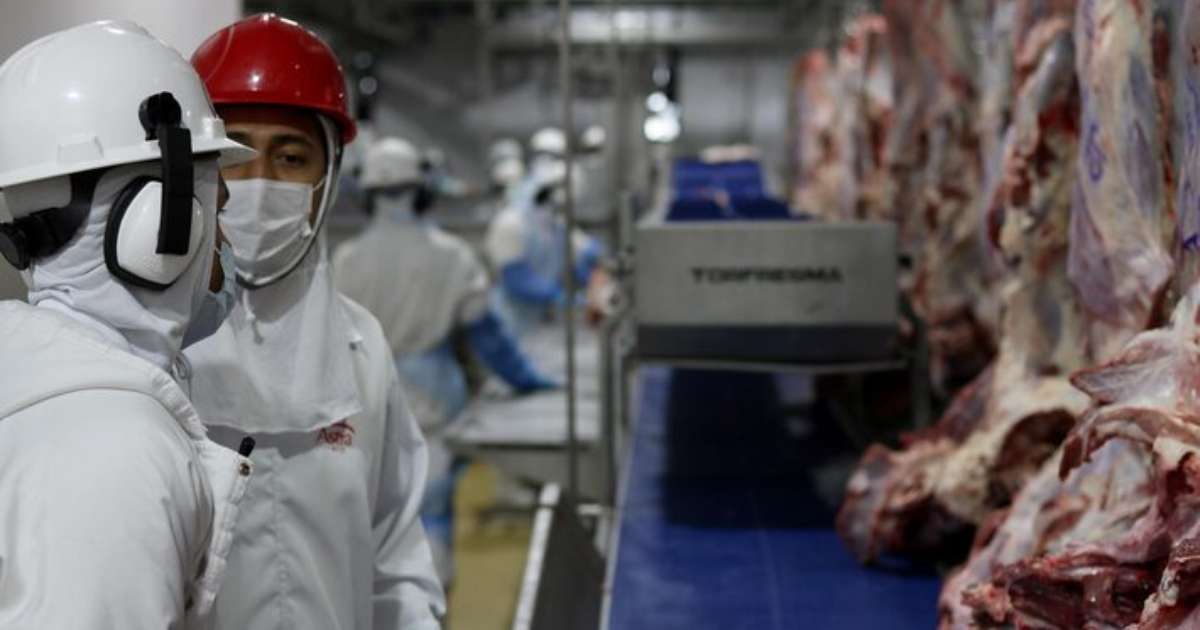
Japan's Ministry of Agriculture, Forestry and Fisheries (MAFF) began a four-day audit of Brazil's animal sanitary system on Tuesday, October 10, a step that could open the Japanese market to Brazilian beef as early as November, according to Terra, citing Estadão/Broadcast. The mission, which runs through Friday, October 13, is part of Japan's formal process for evaluating market access for Brazilian beef, Brazil's secretary of Trade and International Relations at the Ministry of Agriculture, Luis Rua, told the outlet.
Inspectors trace the sanitary chain across two states
The Japanese delegation is reviewing federal and state-level sanitary control units rather than individual meatpacking plants at this stage. After an opening meeting at the Ministry of Agriculture in Brasília on Monday, the team traveled to Santa Catarina, visiting the state's Federal Superintendence of Agriculture and Cidasc (Companhia Integrada de Desenvolvimento Agropecuário de Santa Catarina). On Wednesday, the audit continues at the local veterinary unit and the regional unit of São Miguel do Oeste. The delegation then moves to the BR-163 inspection post on the Paraná-Santa Catarina border and the Vigiagro post in Dionísio Cerqueira, followed by the veterinary unit in Cascavel, Paraná. The mission concludes Friday with visits to Paraná's agricultural defense agency, Adapar, and the state's Federal Superintendence of Agriculture in Curitiba. Santa Catarina and Paraná were the first Brazilian states recognized as free of foot-and-mouth disease without vaccination.
Step six of a twelve-stage approval process
The inspections form step six of twelve laid out by Japan's Animal Sanitary Authority (ASA), part of MAFF, for opening the market to Brazilian beef. Once the audit ends, ASA will produce risk-analysis reports and consult its animal risk analysis committee. The committee's findings then go back to ASA, which notifies Brazil of the results, sets animal health requirements, and drafts an international sanitary certificate (CSI) for both governments to sign. Japan's sanitary authority would then notify Brazil and begin certifying individual Brazilian meatpacking plants. Sources following the talks expect Japan to announce the market opening in November, during the COP30 United Nations climate conference in Belém, Pará. "The political decision to open the market has already been made; only the technical procedures remain," one person familiar with the matter said.
Twenty years of negotiations, and a sanitary breakthrough
Brazil's meat industry has pursued access to Japan for more than two decades, drawn by Japan's strict quality standards, its demand for higher-value cuts, and premium prices. The audit fulfills a promise Japan's government made to Brazil in March, during President Luiz Inácio Lula da Silva's visit to Japan. Talks accelerated last year, when Japanese lawmakers and government technicians inspected Brazilian beef plants twice, most recently in October when Japan's agriculture minister visited.
Industry optimism rose after the World Organisation for Animal Health (WOAH) recognized Brazil's entire territory as free of foot-and-mouth disease without vaccination — a status Brazil obtained the week before the audit began, and a requirement Japan had cited as a key obstacle. "We now have all the guarantees requested. The technical issues are moving forward quickly. WOAH's certificate will let us advance even further," said Roberto Perosa, chief executive of the Brazilian Association of Meat Exporting Industries (Abiec), speaking on the sidelines of Brazil's recognition ceremony in Paris. Perosa said Japan should factor in that the WOAH recognition now covers all of Brazil, compared with an earlier request that covered only five states with foot-and-mouth-free-without-vaccination status: Rio Grande do Sul, Santa Catarina, Paraná, Acre and Rondônia. "We hope Japan considers Brazil's new sanitary status. It's a new moment. We expect the opening to be finalized this year," Perosa said.
Brazil's pork sector is also seeking expanded access to Japan, where currently only pork from Paraná is authorized for entry. "It's a market that isn't speculative, that values quality and continuous supply. A market that tends to pay premiums on exports," said Ricardo Santin, president of the Brazilian Animal Protein Association (ABPA).