Japan's Food Exporters Meet Tougher Chinese and Korean Competition Across ASEAN
Japanese agriculture and food exports to Vietnam reached 95.4 billion yen in 2025, up 10.6%, while Indonesia grew 35.5% to 17.3 billion yen, according to ministry data cited by Mainichi Shimbun. Nomura Research Institute surveys show South Korean brands already ahead of Japan in instant food in Jakarta and Ho Chi Minh City, even as Japanese brands keep a 15-point lead in processed food and beverages overall.
Japanese food exporters are facing intensifying competition from Chinese and South Korean rivals in Southeast Asia, where a consumer market of roughly 700 million people keeps expanding alongside economic growth, according to Mainichi Shimbun.
Vietnam leads ASEAN demand, Indonesia grows fastest
Data from Japan's Ministry of Agriculture, Forestry and Fisheries cited by Mainichi show that Vietnam, the largest ASEAN destination for Japanese agriculture, forestry, fishery and food exports, absorbed 95.4 billion yen worth of shipments in 2025, an increase of 10.6% from the previous year. Indonesia recorded the strongest growth rate in the region, rising 35.5% to 17.3 billion yen.
Seafood and beef have long anchored the trade, but demand in recent years has broadened to green tea including matcha, confectionery and seasonings, Mainichi reported. That shift moves the export mix toward branded, shelf-stable categories that compete on consumer preference rather than on freshness logistics alone, which is precisely the arena where Chinese and Korean suppliers have been gaining ground.
Korean brands close the gap in instant food
A 2025 survey by Nomura Research Institute asked consumers in major cities in Thailand, Indonesia and Vietnam whether they had bought instant food products from various countries of origin. In Bangkok, Japan and South Korea were nearly level. In Jakarta and Ho Chi Minh City, South Korea came out ahead of Japan.
A wider survey conducted by the institute in 2023 across six main ASEAN countries still favoured Japan in the broader packaged category: 49% of respondents named Japanese brands among the processed foods and beverages they usually buy, against 34% for South Korean brands, a gap of 15 percentage points. The picture on perception was less favourable. The share of respondents naming Japan as a country that exerts a positive influence on their own country's products and services declined across the six major cities compared with a 2014 survey.
- Vietnam: 95.4 billion yen in 2025, up 10.6% year on year
- Indonesia: 17.3 billion yen, up 35.5% year on year
- Processed food and beverage brands usually purchased, 2023: Japan 49%, South Korea 34%
- Instant food purchase experience, 2025: South Korea ahead in Jakarta and Ho Chi Minh City, level with Japan in Bangkok
Emotional appeal versus quality perception
Toshiya Kobayashi, senior manager at Nomura Research Institute Thailand, said Japan's once-overwhelming favourable image is being caught up by China and South Korea. He attributes part of the Korean advance to associated content, which he says generates an emotional value of excitement around the brands. Japan still scores highly on reassurance and product quality, Kobayashi said, but its appeal to younger consumers is comparatively weak.
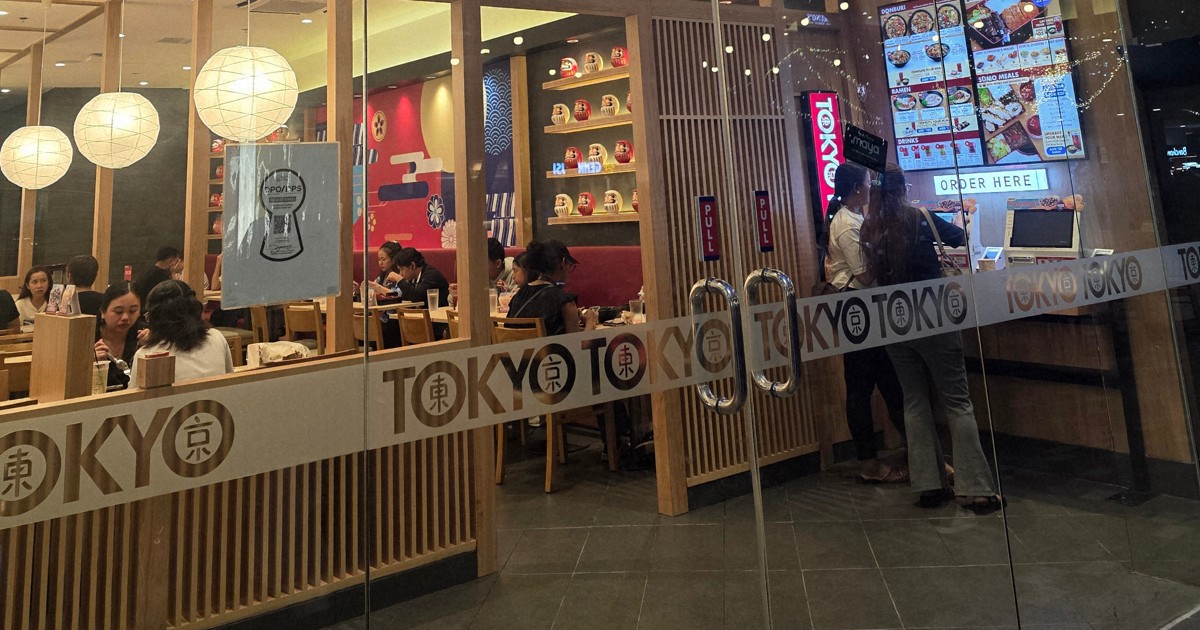
The consumer entry points are visible on the ground. In Manila shopping malls, Japanese restaurants serving ramen, sushi and okonomiyaki are numerous, and outlets run by local companies stand out alongside those operated by Japanese firms, Mainichi reported. Sophie, an 18-year-old student, said she became interested in Japanese food after watching anime characters eat it and wondering what it tasted like.
Kobayashi sees two durable Japanese assets: travel to Japan, which gives visitors direct exposure to products and food culture, and anime, whose reach extends across age groups. "What matters is how to use the emotional connection that comes from these elements and broaden the appeal to consumers through social media strategies and similar approaches," he said.
For suppliers, the commercial question is whether that connection can be converted into shelf space in the mass-market categories where South Korean brands are already winning first-purchase decisions among urban consumers in Jakarta and Ho Chi Minh City.