Italy’s recycled-plastics market faces demand crisis as storage sites fill
Weak demand for recycled plastic is congesting storage facilities used by Italian municipalities, according to Alternativa per Anzio. The association is seeking financial and regulatory intervention as virgin resin and material from outside Europe gain a competitive advantage.
Recycled material loses ground
Italy’s plastic-packaging recovery system is facing mounting pressure as recycled material struggles to compete with virgin resin and material from outside Europe. Alternativa per Anzio, a local association in the Lazio region, says recycled plastic produced in Italy is not finding buyers, leaving collection and sorting facilities with rising inventories.
The association attributes the problem to the greater market competitiveness of extra-European material and virgin plastic made directly from oil. It describes the situation as a national crisis rather than a problem confined to Anzio or Lazio. The warning is particularly relevant for recyclers, waste-management companies and municipalities whose economics depend on material continuing to move from collection sites into recycling markets.
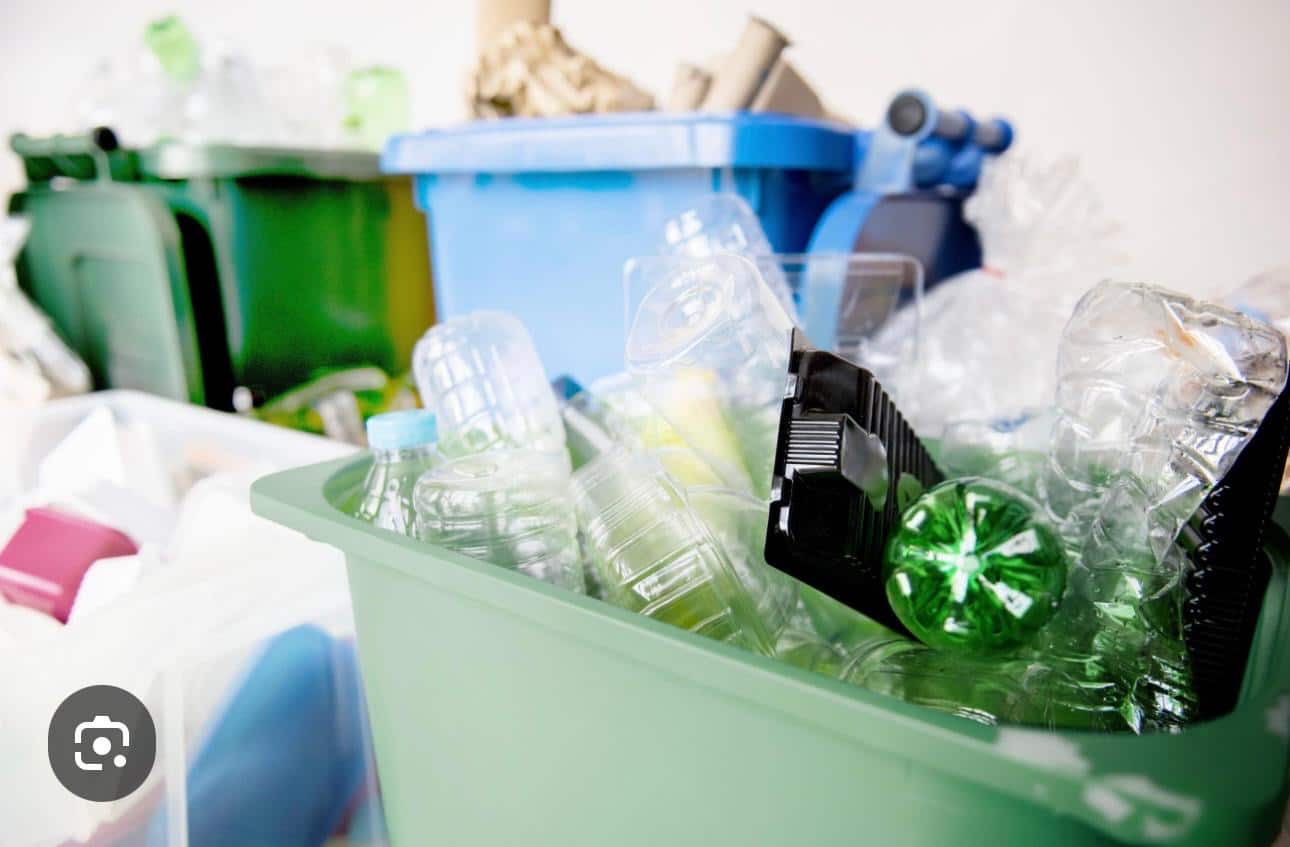
According to Alternativa per Anzio, COREPLA, Italy’s national consortium for the collection, recycling and recovery of plastic packaging, is no longer taking all the plastic stored at facilities serving municipalities. These sites are becoming progressively congested. Saturation is not occurring simultaneously because municipalities use different facilities, but the association warns that the blockage could become widespread within weeks without government and regional action.
Municipal collection at risk
A prolonged slowdown would affect more than resin producers and recyclers. Alternativa per Anzio says it could halt separate waste collection in municipalities and increase the risk of fires at overloaded storage sites, with potentially toxic consequences for health. Local authorities would then face an operational problem created by weak demand farther down the recycling chain.
Incineration has been discussed as a possible response but has not been formalised. The association argues that burning the plastic would represent a failure of the recycling chain and transfer substantial management costs to municipalities. Recycling can generate revenue for citizens, it says, whereas incineration entails a high cost, leaving unresolved the question of who would cover the difference.
Italy’s Ministry of Environment and Energy Security has established a permanent monitoring group involving the ministry, ISPRA, ENEA, ANCI, Utilitalia, CONAI and COREPLA. Alternativa per Anzio considers the measures discussed so far insufficient, particularly because they do not address the financial burden on municipalities.
Calls for fiscal and regulatory measures
The association is calling for a phased strategy combining emergency financial support for municipalities with longer-term measures for the recovery industry. Its proposals include fiscal tools from the national government, technological development and additional processing capacity. It also notes that Prime Minister Giorgia Meloni’s government suspended the introduction of Italy’s plastic tax.
Full implementation of the European Union’s Packaging and Packaging Waste Regulation, Regulation (EU) 2025/40, is presented as another priority. The regulation aims to reduce packaging waste at source, which could ease the volume pressure on collection and treatment infrastructure over time.
The political issue has reached both regional and national institutions. Lazio regional councillors Claudio Marotta and Emanuela Droghei raised it through a regional question, while member of parliament Peppe De Cristoforo brought it before parliament several weeks earlier. The association also criticises Lazio for not yet establishing the governing bodies for its optimal territorial areas.
Local action has limited reach
Anzio has reduced the frequency of plastic collections to align its service with other municipalities. It is also working on Anzio RISE, a project to replace polystyrene boxes used in the fishing supply chain and collected daily by the municipal sanitation service. Further local projects are planned, but the association says municipalities cannot manage the emergency alone. For market participants, the immediate issue is whether public intervention can restore material flows before storage constraints disrupt collection.