Extreme weather cuts Italy's cherry output 20.9% in two decades as retail prices stay high
Italian cherry production fell 20.9% between 2006 and 2025 and yields dropped 18.5%, according to an Istat report published on 4 September 2026. Puglia, which holds about 65% of national planted area, saw harvests collapse 70% in 2025. A better 2026 season cut farmgate prices, but higher freight costs kept retail between 10 and 17 euros per kilogram.
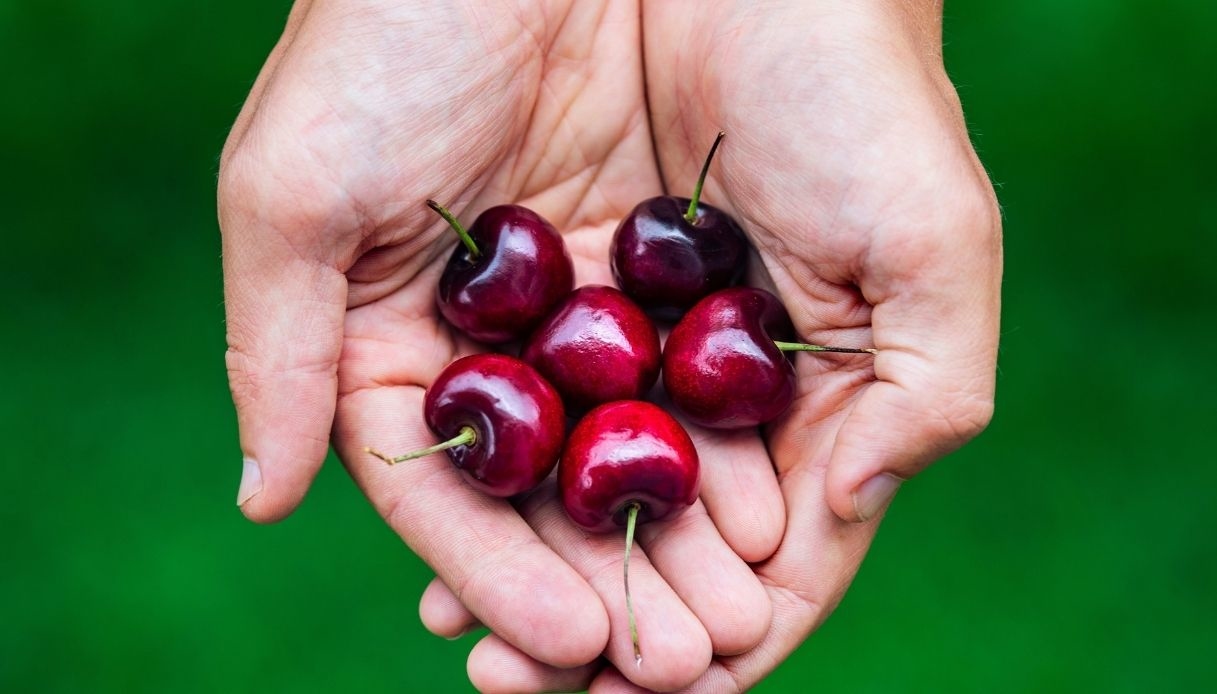
Italian cherry production contracted by 20.9% between 2006 and 2025, while yields fell 18.5% over the same period, according to an Istat report published on 4 September 2026. The figures, reported by quifinanza.it, describe a crop that has become harder to plan and more expensive to grow as late frosts, prolonged rain during flowering, sudden temperature swings and violent winds hit orchards with increasing frequency.
A large sector on an unstable output base
Italy remains one of Europe's leading producers. The most recent Ismea estimates put average national output at 97,000 tonnes of sweet cherries a year, equal to 17% of European Union production and second only to Spain at 20%. On planted area, the two countries share the continental lead with roughly 28,000 hectares each under cherries, according to Eurostat. The issue is not the absence of a significant supply chain but the growing difficulty of holding production stable from one season to the next.
Cherry growing carries high costs before weather is taken into account. Harvesting is largely manual, the fruit is fragile and has to be marketed quickly. Falling volumes are not always offset by higher productivity per hectare, and the gap between what growers are paid and what consumers pay at the shelf keeps widening. When damage from extreme weather is added to those structural costs, the economic viability of the whole chain is compromised.
Puglia concentrates the exposure
The regional concentration of the sector amplifies every weather event. According to Ismea, Puglia accounts for about 65% of Italian cherry area and 35% of national volumes, making it both the largest and the most vulnerable production pole in the country. WWF Italia, in a report on damage caused by the climate crisis, recorded a 70% collapse in cherry harvests in 2025, with peaks of 100% in several areas of the south-east of Bari province. The cause was frost in March and April, which damaged blossom at the most delicate stage of the cycle and compromised subsequent fruit set.
Massimiliano Del Core, president of Confagricoltura Bari-Bat, said the events pushed output in the historically most profitable Apulian districts below the minimum threshold of economic sustainability. Two night frosts during bud development, eight days of rain during flowering and later strong scirocco and mistral winds during fruit growth and ripening were enough to produce the loss.
From climateflation to freight costs
Because one region holds most of the plantings, damage there tightens supply nationally and pushes prices up across the country. In the same period as the Apulian crisis, cherry prices rose throughout Italy: in some large cities they reached 20 euros per kilogram, with an average between 10 and 15 euros, while the highest level, 23 euros per kilogram, was recorded in Milan. The mechanism is described as climateflation, the food price increase linked to the effects of climate change on product availability.
The 2026 season reversed the weather pattern. The absence of late frosts and favourable conditions allowed productivity to recover and prices to fall. That relief did not reach consumers. The war in the Middle East and the resulting Hormuz crisis raised logistics and transport costs, holding retail prices in urban markets and supermarkets between 10.00 and 17.00 euros per kilogram.
Demand and margins under pressure
The result is that cherries are still perceived as expensive, household consumption has fallen, and for a second year, albeit for different reasons, harvesting costs more than the crop returns. The risk flagged in the reporting is that, on the current trajectory, Italian cherries may in the coming years stop reaching supermarket shelves altogether, leaving domestic demand to be met from elsewhere.