Italian farmers seek fair prices and tighter controls for 100% domestic-wheat pasta
CIA-Agricoltori Italiani is backing a government campaign for pasta made entirely from Italian wheat. The group wants fair durum wheat prices, stronger import controls, origin labeling and supply-chain contracts to protect domestic production.
CIA backs campaign for Italian wheat
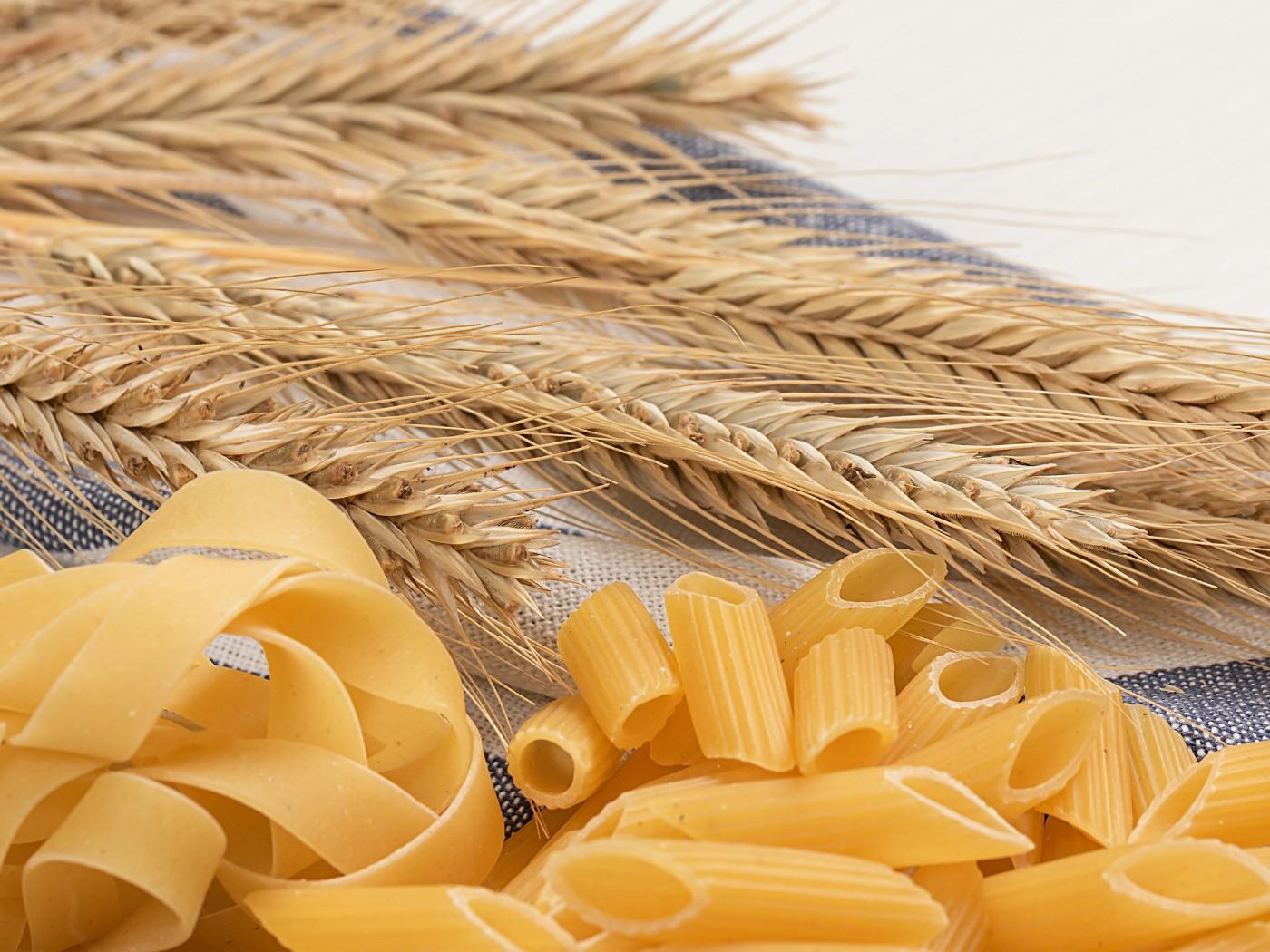
CIA-Agricoltori Italiani has backed a Made in Italy awareness campaign promoted by Italy’s Ministry of Agriculture, Food Sovereignty and Forestry, known as Masaf, and renewed its support for pasta produced with 100% Italian wheat. The farmers’ organization says the issue extends beyond branding to the economic future of cereal farms, milling, pasta manufacturing and the rural areas tied to durum wheat production.
The intervention follows comments by milling entrepreneur Francesco Casillo, who said that pasta is not good simply because it is made from Italian wheat. CIA disputes the broader implication of that position, arguing that domestic raw material has food, economic, social and territorial value. Gazzetta del Gusto notes, however, that wheat origin alone does not determine pasta quality.
The characteristics of the grain, its protein content and quality, the milling process and the techniques used by pasta manufacturers also affect the finished product. CIA’s case therefore centers less on presenting origin as a complete quality guarantee than on deciding what strategic value Italy assigns to domestic durum wheat and what conditions farmers need to keep growing it sustainably.
Prices and imports pressure growers
CIA says durum wheat quotations can fall below farmers’ production costs, while competition from imported grain puts additional pressure on the market. The organization is calling for recognition of minimum production costs and remuneration that allows agricultural businesses to cultivate durum wheat without operating at a loss.
The concern reaches the entire pasta supply chain. If farmgate prices fail to cover costs over an extended period, growers have less incentive to sow durum wheat. That could reduce national output and leave processors more dependent on foreign supplies, changing procurement options for millers and pasta producers as well as the risk exposure of farmers.
CIA is also focusing on wheat imported from countries outside the European Union, where production may be subject to sanitary and environmental standards that differ from EU requirements. It wants stronger traceability and controls to prevent what it considers unfair competition between crops produced under different rules and to give buyers clearer information about origin.
Labeling and contracts proposed
The organization wants Italy to retain mandatory origin information on pasta labels. It argues that consumers should be able to distinguish products made exclusively from Italian wheat from pasta that also contains grain of other origins. Transparent labeling would preserve that choice without treating provenance as the only measure of product quality.
CIA also supports stronger supply-chain contracts between farmers and industry. Such agreements can set quantities, product specifications and commercial conditions in advance, partly reducing growers’ exposure to market fluctuations. For processors, they can provide greater visibility over domestic supply and the characteristics of grain available for milling.
The dispute highlights a balancing act for Italy’s pasta sector. Millers and manufacturers require grain that meets technical and protein specifications, while growers need prices capable of sustaining production. CIA’s proposals seek to preserve domestic durum wheat capacity through remuneration, traceability and longer-term commercial arrangements, rather than relying on an origin claim alone.