Italian durum wheat prices below €300 a tonne put next sowing season at risk
Indicative CUN durum wheat prices in northern Italy remain below €300 per tonne, a level producers say does not cover production costs. Confagricoltura warns that continued weak profitability could reduce sowing, domestic output and self-sufficiency.
Prices remain below the cost of production
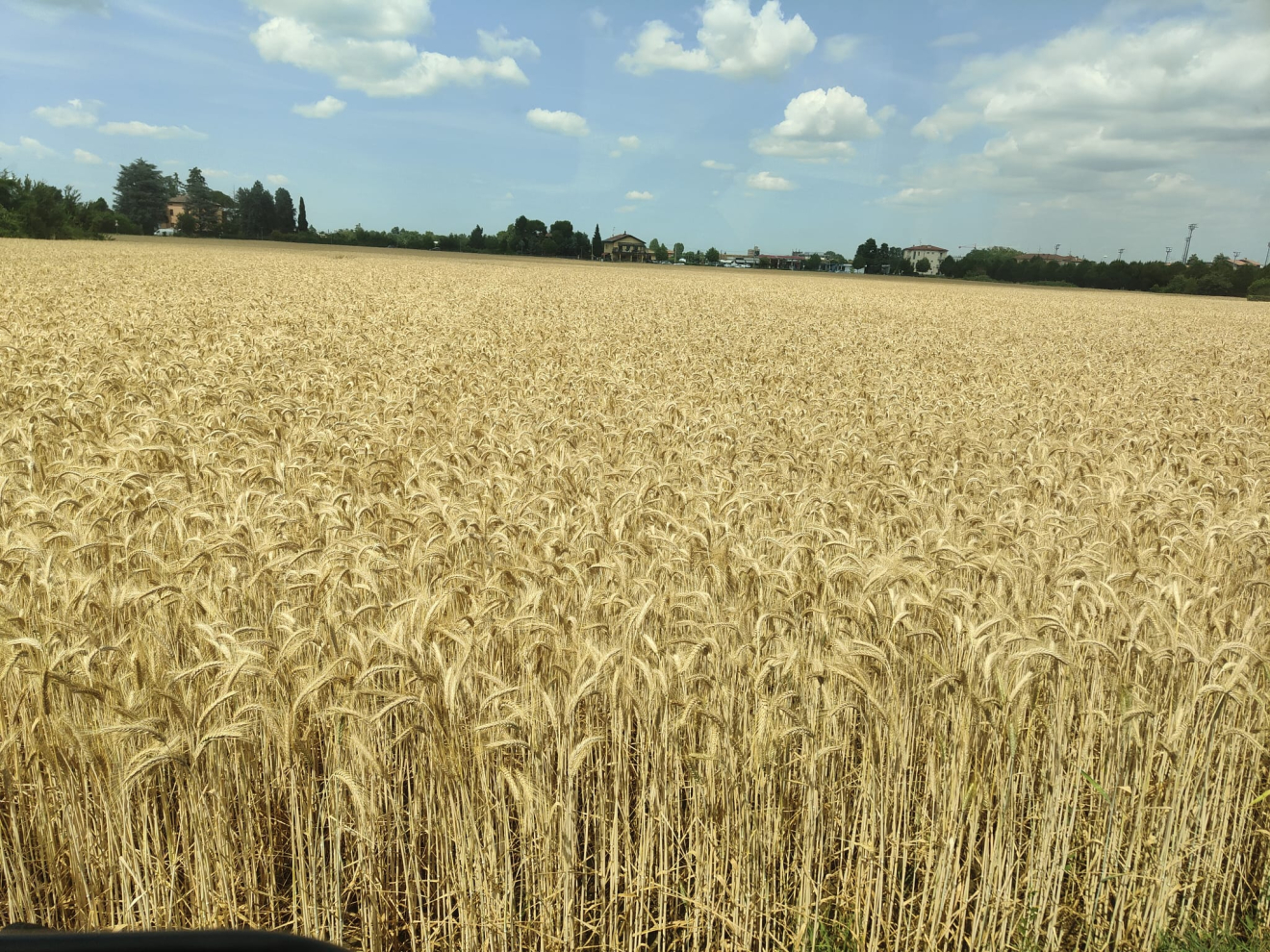
Indicative CUN prices for durum wheat in northern Italy remain below €300 per tonne, according to Teatro Naturale. Agricultural businesses say that this level does not cover production costs, putting pressure on growers as they prepare decisions for the next sowing season.
The immediate concern is particularly visible in Bologna, where the weak price environment is putting future planting at risk. Farmers must decide whether to commit land and resources to a crop whose expected market value may not compensate them for producing it. If the economics remain unfavourable, some growers may reduce their durum wheat area or select other crops.
The report does not provide a quantified estimate of production costs or forecast how much planted area could be lost. The central signal is nevertheless clear: a market price below €300 per tonne is being treated by producers as insufficient, and the lack of an adequate margin is beginning to influence planting expectations.
Lower sowing could weaken domestic supply
Confagricoltura warned that without profitability, both production and self-sufficiency will decline. That warning connects the current price problem with a longer production cycle. Reduced sowing would not affect available grain immediately, but it could translate into a smaller domestic harvest after the next growing season.
For Italian durum wheat producers, the issue is not simply a temporary decline in quotations. Persistently below-cost prices can make it harder to justify continued cultivation, particularly when farmers have alternative uses for their land. The longer prices remain beneath the level considered economically sustainable, the greater the risk that planting decisions will reduce future output.
A contraction in Italian production would also matter beyond farms. Durum wheat is the raw material at the centre of the pasta supply chain, linking growers with grain handlers, millers and food manufacturers. Any reduction in domestic availability would require processors and traders to reassess procurement, origin mix and supply security, even though the source provides no forecast for pasta production or prices.
Pasta-chain buyers face a supply-planning issue
Low grain prices can provide short-term purchasing relief for buyers, but prices that discourage sowing create a different risk later in the cycle. Millers and pasta manufacturers benefit from competitively priced raw material only while sufficient volumes remain available. If farmers respond by planting less, the current weakness could eventually give way to tighter domestic supply.
The situation therefore exposes conflicting pressures within the chain. Producers need prices that cover cultivation costs, while processors need reliable and competitively priced grain. Traders must judge whether current quotations reflect ample availability or a level that could undermine the next crop.
No policy measure, purchasing commitment or industry agreement is detailed in the report. The next practical indicator will be growers’ sowing decisions. Until those become clearer, the sub-€300-per-tonne market in northern Italy remains both a current profitability problem and a warning about the future supply base for the country’s durum wheat and pasta industries.