Israel cancels Turkish tomato imports, citing domestic self-sufficiency
Israel has cancelled tomato imports from Turkey, citing self-sufficiency in domestic supply. The decision brings food trade into the broader dispute with Ankara and creates uncertainty for Turkish suppliers.
Turkish tomato purchases cancelled
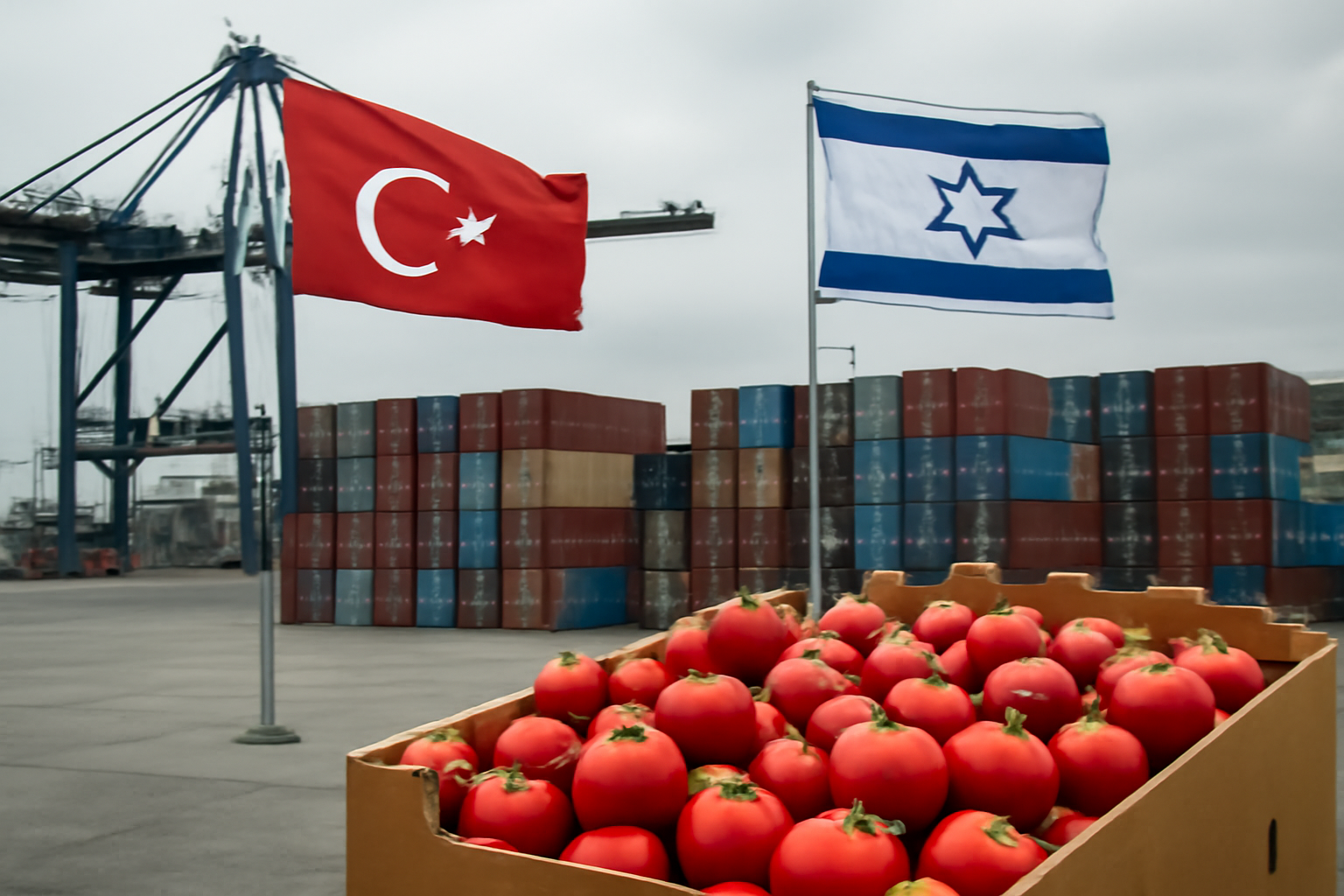
Israel has cancelled imports of Turkish tomatoes, saying that domestic production has achieved self-sufficiency, according to Erem News. The measure removes Turkey from this segment of Israel’s food supply and places a widely consumed agricultural product within the continuing dispute between Tel Aviv and Ankara.
The available report does not specify when the cancellation took effect, how long it will remain in force or whether it applies to contracts already signed. It also provides no figures for the volume or value of the affected trade. These omissions make it impossible to quantify the immediate commercial loss for Turkish growers, exporters and logistics companies.
Erem News presents the measure as an extension of Israel’s political disagreement with Turkey into the food market. The publication also reports disapproval among Israelis, although it does not provide polling data or identify the groups expressing opposition. Israel’s stated justification remains agricultural self-sufficiency rather than a formally described trade sanction.
Domestic supply becomes the key test
The practical effect will depend on whether Israeli farms can supply sufficient tomatoes throughout the year. A declaration of self-sufficiency indicates that local output is considered adequate at the time of the decision, but the source provides no production, inventory or consumption data supporting that assessment.
For Israeli producers, the removal of Turkish competition could increase their share of the domestic market. Buyers, processors and retailers, however, will need to rely more heavily on local availability. Without published data on prices, seasonal output or alternative suppliers, it is not yet possible to determine whether the cancellation will affect retail costs or create shortages during periods of tighter production.
The distinction between a permanent sourcing change and a temporary response is important for market participants. A long-term halt could encourage Israeli growers to preserve or expand capacity. A shorter interruption would instead leave traders assessing whether Turkish supply could return if political relations or domestic crop conditions change.
Turkish suppliers lose access to a nearby market
Turkish tomato suppliers now face the loss of an Israeli sales channel, though the scale cannot be established from the information released. Exporters with exposure to Israel may need to redirect produce to domestic buyers or other foreign markets. The consequences will vary according to existing contracts, product quality, harvest timing and access to alternative customers.
The decision also adds uncertainty to bilateral food trade. Agricultural transactions are particularly sensitive to timing because fresh tomatoes have limited storage and marketing windows. Even without disclosed trade volumes, an abrupt cancellation can complicate planning for growers, packers, transport companies and importers.
Further assessment will require official details from Israel on the legal scope and duration of the measure, as well as production and price data. Until those details emerge, the confirmed development is narrow but commercially relevant: Israel has stopped purchasing Turkish tomatoes and has defended the move on the basis that its domestic market can supply the product itself.