Iraq Spent $52.4 Million on Nearly 90,000 Tonnes of Imported Potatoes in 2025
Iraq imported nearly 90,000 tonnes of potatoes worth about $52.4 million in 2025, according to data cited by Shafaq News. Iran, Egypt and Turkey were prominent suppliers, highlighting opportunities for regional exporters and gaps in Iraqi production, storage and distribution.
Imports cover a significant share of demand
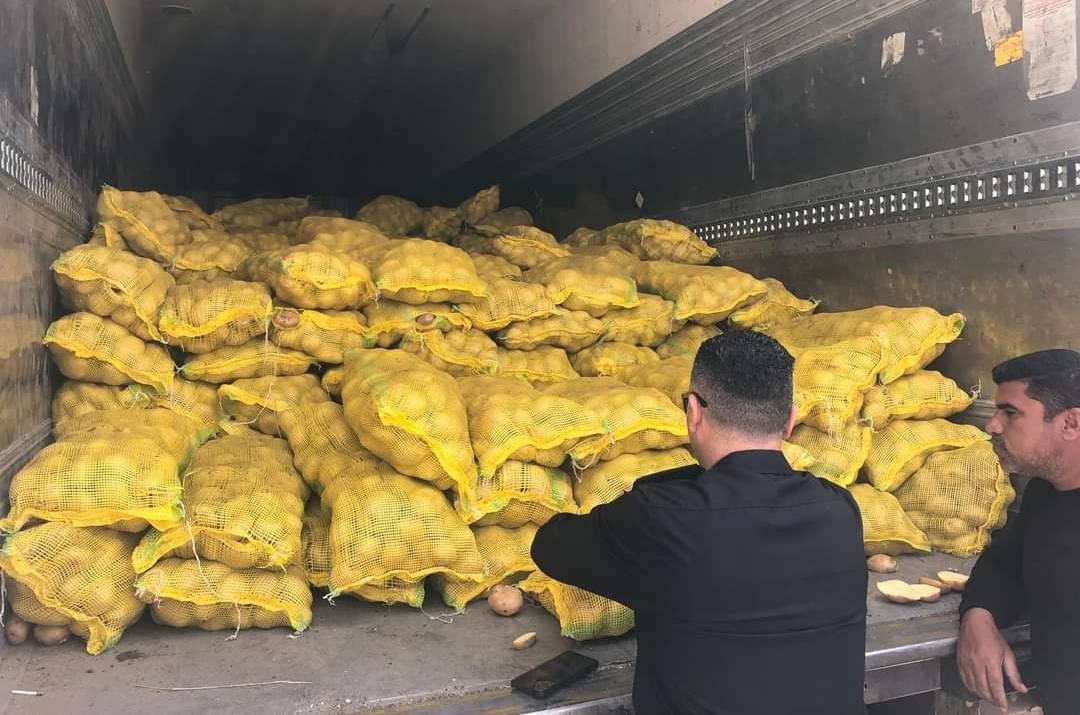
Iraq imported nearly 90,000 tonnes of potatoes worth about $52.4 million in 2025, according to agricultural market data cited by Shafaq News. The purchases show that foreign supply continues to cover a significant part of Iraqi demand for a staple crop, despite the country’s domestic agricultural base.
Economic researcher Ali Karim Edheeb, referring to IndexBox data, said Iraq remains dependent on imports for an important share of its agricultural requirements. He identified potatoes and tomatoes as clear examples of the fluctuating relationship between domestic output and market demand.
The reported figures imply an average import value of roughly $582 per tonne, calculated from the stated value and volume. This is not necessarily the price received by farmers: the landed value can also reflect transport, handling and other costs along the supply chain.
Regional suppliers gain access to the Iraqi market
Iraq’s potato supply is closely connected to neighboring and regional producers. Iran, Egypt and Turkey have a prominent presence among the countries supplying potatoes to the Iraqi market, according to Edheeb. That concentration creates sales opportunities for exporters able to deliver competitive volumes during periods when Iraqi harvests cannot fully meet consumption.
It also exposes Iraqi buyers and consumers to conditions outside the country. Potato prices can be affected by transport costs, producer prices in supplying markets and weather during regional growing seasons. Changes in output or prices in exporting countries can therefore reach Iraq quickly, particularly when domestic inventories are insufficient.
Government decisions on whether to permit or restrict agricultural imports add another variable. The tomato market illustrates the scale of possible changes: Iraq’s fresh tomato imports fell to about 13,000 tonnes in 2023, down 94.9%, after reaching approximately 350,000 tonnes in 2021, according to the IndexBox figures cited by Shafaq News. Edheeb cautioned that lower imports do not necessarily indicate lower consumption, because stronger domestic availability may replace foreign supply in some seasons.
Production, storage and marketing remain central
The potato bill points to a domestic commercial opportunity as well as an import requirement. Edheeb argued that part of the $52.4 million spent abroad could support Iraqi production if investment increased land productivity and improved cultivation and storage technology. Competitive local output would need to match imported potatoes not only in volume, but also in price, quality and year-round availability.
Import restrictions alone would not resolve those constraints. More reliable storage, transport, marketing and supply chains could reduce post-harvest losses and help Iraqi growers serve the market outside peak production periods. For regional exporters, Iraq is likely to remain an important destination while that capacity gap persists. For Iraqi producers and investors, the import volume provides a measurable indication of the market that could be captured if domestic potatoes become consistently competitive.