Iraq bans all tomato imports to support domestic growers
Iraq's agriculture minister has ordered a complete prohibition on tomato imports, according to the Iraqi outlet mawazin.net, which reported the decision on Wednesday. The stated aim is to support local farmers and ease the marketing of their crop on the domestic market. The report does not specify the duration of the ban, transit rules or whether processed tomato products are covered.
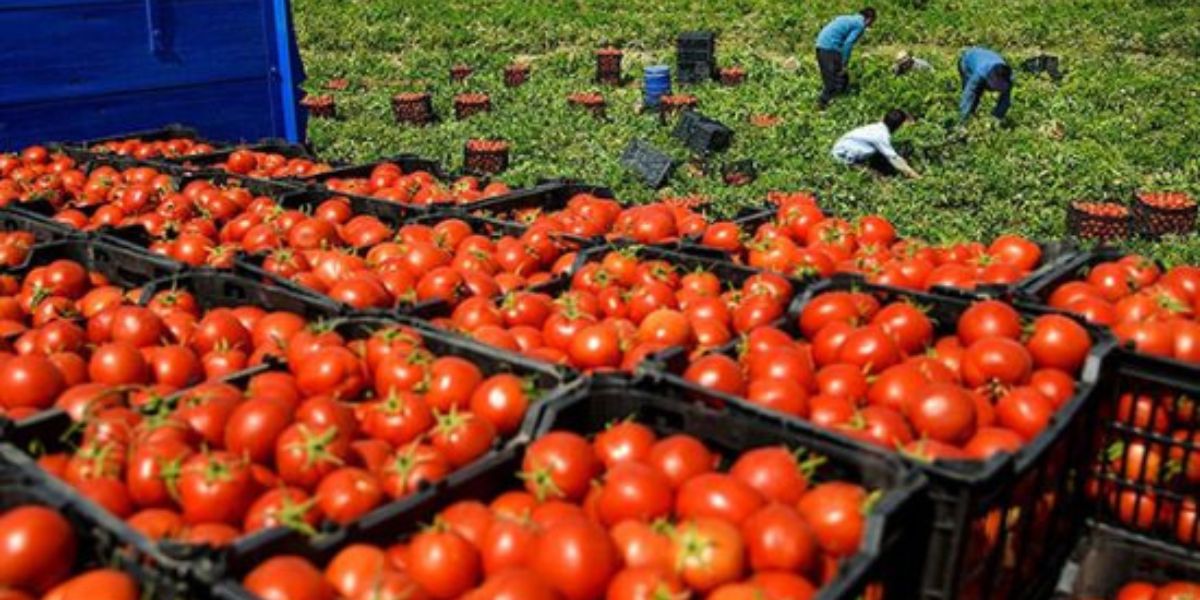
Iraq has banned all imports of tomatoes. The Iraqi news outlet mawazin.net reported on Wednesday that the country's agriculture minister ordered a full prohibition on bringing the tomato crop in from abroad, describing the step as practical support for the domestic farming sector and as a way to make it easier for Iraqi growers to market their produce in national markets.
The measure is a border closure rather than a price instrument. A tariff or a reference price leaves the import channel open and shifts the landed cost; a ban removes the channel. For companies that were supplying the Iraqi market, contracted volumes do not become more expensive — they become unshippable.
What was announced
According to mawazin.net, the decision was taken by the minister of agriculture and applies to the tomato crop imported from outside Iraq. The stated purpose is twofold: to support local agricultural production, and to facilitate the marketing of farmers' output on the domestic market. The report does not name specific supplier countries, which is consistent with a measure applying to all origins equally.
Several operational parameters were not included in the report:
- the duration of the ban and whether it is tied to the domestic harvest calendar;
- whether consignments already in transit or standing at border crossings will be cleared;
- which agency enforces the measure at land crossings and ports;
- whether processed tomato products are covered or only the fresh crop.
Until those details are published, importers and freight operators are pricing risk on existing contracts without the information they need.
Why produce bans bite faster than other trade measures
Fresh tomatoes are a high-volume, low-value-per-kilogram commodity with a short shelf life, moved mainly by road in refrigerated or ventilated trucks over relatively short distances. That combination leaves exporters very little room to absorb a sudden closure. Steel or grain can sit in a warehouse while a legal challenge or a diplomatic clarification runs its course; a truckload of tomatoes cannot.
Cargo already dispatched has to be redirected to the nearest alternative buyer, and that buyer knows it. Discounting is the normal outcome, and it spreads to the whole local market of the exporting region, not only to the stranded volumes. The same physics work in the producer's favour on the other side of the border: with imports excluded, Iraqi growers face demand that cannot be met from abroad during their harvest window, farmgate prices typically firm, and the marketing bottleneck the ministry referred to — field crop competing with cheaper imported supply at the moment it comes off the land — eases.
The risk sits with consumers and processors
A full ban also removes the buffer that imports provide. If the Iraqi crop underperforms because of weather, water availability or disease, there is no legal import valve to absorb the shortfall, and retail prices respond quickly.
Tomato paste and sauce producers, restaurant supply chains and institutional buyers are exposed in the same way. They lose the ability to arbitrage between domestic and imported raw material, and their input cost becomes a function of a single national harvest. That is why the seasonality question matters more than the headline. Vegetable import bans are commonly written to track the local production calendar, opening and closing as domestic supply rises and falls. If Iraq's measure works that way, it is a scheduling problem for exporters. If it is open-ended, it is the loss of a market.
What to watch
The immediate signals are administrative rather than commercial: the text of the ministerial order, any transition period granted to goods already in transit, and the customs instructions issued to land border crossings and ports. Regional suppliers will also be watching whether Iraq extends the same treatment to other vegetable lines, and whether the ban is reviewed once the domestic season ends.