Payment delays push Iranian wheat farmers toward cash middlemen
Delayed government payments are prompting some Iranian wheat farmers to sell to cash-paying middlemen, Jahan News reports. Intermediaries are buying below the guaranteed price of 49,500 tomans, reducing farmers’ income and potentially diverting grain from official procurement.
Cash offers compete with the guaranteed price
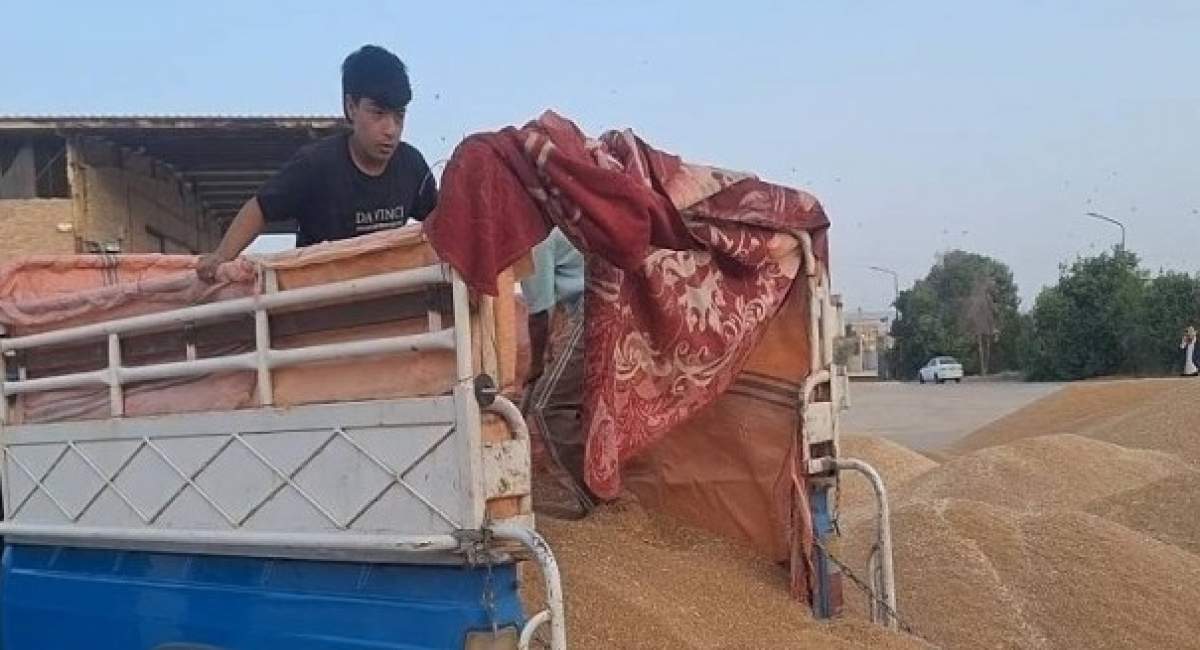
Delayed payments to Iranian wheat farmers have opened the market to cash-paying middlemen, according to Jahan News. Some growers are selling wheat below the government’s guaranteed purchase price of 49,500 tomans rather than waiting for money owed through the official procurement system.
The reported transactions expose a gap between the guaranteed price on paper and the amount farmers can obtain immediately. For growers facing current operating or household expenses, a lower cash payment can carry more practical value than a higher payment with an uncertain timetable.
Jahan News said the problem affects part of the farming community, particularly growers whose need for liquidity makes waiting difficult. The available report does not state how much wheat has been sold to intermediaries, the size of the discount or the duration of the payment delays.
Delayed settlement weakens official procurement
A guaranteed purchase system depends on both the announced price and timely settlement. When payment is delayed, intermediaries can compete without matching the official rate: immediate cash becomes part of their offer, while the farmer bears the cost of accepting a lower price.
This dynamic can reduce the volume delivered through official channels. The effect will depend on how many farmers choose immediate payment and how long government arrears remain outstanding. No official procurement volume or revised payment schedule was included in the source material.
The pressure is concentrated at the farm level. Wheat production requires growers to finance inputs and field operations before receiving revenue from the harvest. A delay after delivery extends that financing period and transfers additional cash-flow risk to producers.
Lower farm income may affect the next crop
Selling below 49,500 tomans directly narrows farmers’ revenue compared with the guaranteed-price option. The precise loss cannot be calculated from the report because the prices offered by middlemen were not disclosed. Even so, every sale below the official rate leaves less money available to the producer.
The consequences may extend beyond the current marketing period. Farmers receiving less than the guaranteed price have fewer internal funds for future production costs. That can influence purchasing decisions for seed, fertilizer and other inputs, although the report provides no evidence yet of reduced planting or input use.
For authorities, faster settlement would address the advantage currently held by cash buyers. For farmers, the immediate choice remains between a higher guaranteed price subject to delayed payment and a lower amount available in cash. Until the payment gap closes, intermediaries are likely to remain an alternative outlet for growers unable to wait.