Iran ranks third globally in date production with annual output of 1.38 million tonnes
Iran produces about 1.38 million tonnes of dates annually, placing it third among the world’s date-producing countries, according to YJC. The scale gives Iranian producers substantial supply potential, although the available report provides no export, price or competitor data.
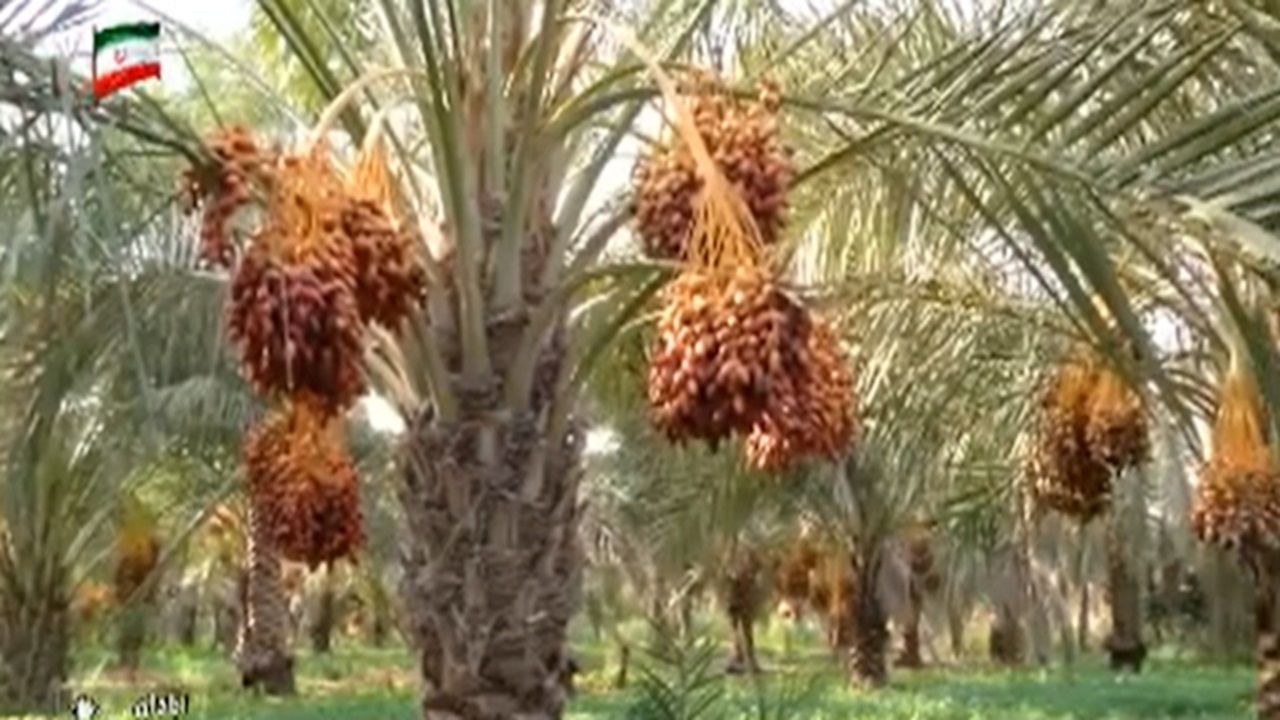
Iran reports output of 1.38 million tonnes
Iran produces about 1.38 million tonnes of dates each year, making it the world’s third-largest producer of the fruit, Iranian outlet YJC reported. The figure establishes the country as a major source of global date supply and indicates the scale of its domestic production base.
The report does not provide a harvest year, a breakdown by growing region or information about cultivated area and yields. It also does not identify the two countries ranked ahead of Iran. The production figure should therefore be read as a broad annual estimate rather than a detailed assessment of the latest crop.
Large output creates commercial potential
Annual production of about 1.38 million tonnes gives Iranian growers, processors and traders a substantial volume that can serve both domestic consumption and international sales. Actual export potential, however, depends on how much of the crop is consumed within Iran, the varieties produced, processing capacity, product quality and access to destination markets. None of those indicators was included in the available report.
For processors, Iran’s ranking points to a sizeable raw-material base for sorting, packing and other forms of preparation. For traders and importers, production volume is only the starting point: commercially available supply can differ from total harvested output because of domestic demand, quality requirements and losses along the supply chain. The source did not disclose the volume available for export or identify Iran’s principal foreign markets.
Competitive position requires more data
Third place in global production gives Iran an important position in the international date sector, but output alone does not determine competitiveness. Export performance also depends on prices, consistency of supply, logistics, packaging standards and the ability of suppliers to meet buyer specifications. The report contained no figures for export volumes, export revenue, domestic prices or international prices, preventing a direct comparison with competing origins.
The reported 1.38 million tonnes nevertheless provides a useful measure of Iran’s production scale. Market participants will need harvest-specific statistics and trade data to judge whether that scale translates into larger export availability. Information on crop quality, varieties, inventories and processing capacity would also be necessary to assess the likely effect on international supply and prices.
What the ranking means for the market
For industry professionals, Iran’s position identifies the country as an origin worth monitoring when assessing date availability. Changes in its harvest can matter to growers, processors, exporters and buyers because the production base is large. The available information confirms Iran’s rank and approximate annual output, but it does not show whether production is rising or falling.
Without comparable figures for other producers or a time series for Iran, no conclusion can be drawn about changes in market share. The central confirmed facts remain that Iran produces about 1.38 million tonnes of dates annually and ranks third worldwide.