Iran’s poultry glut pushes chicken prices below production cost
Excess poultry supply has pushed Iranian chicken prices below production cost, with product offered at 228,000 tomans per kilogram against Tehran’s official market rate of 250,000 tomans. Producers report combined daily losses of 700 billion tomans, increasing the likelihood of production cuts.
Excess supply drives prices below the official rate
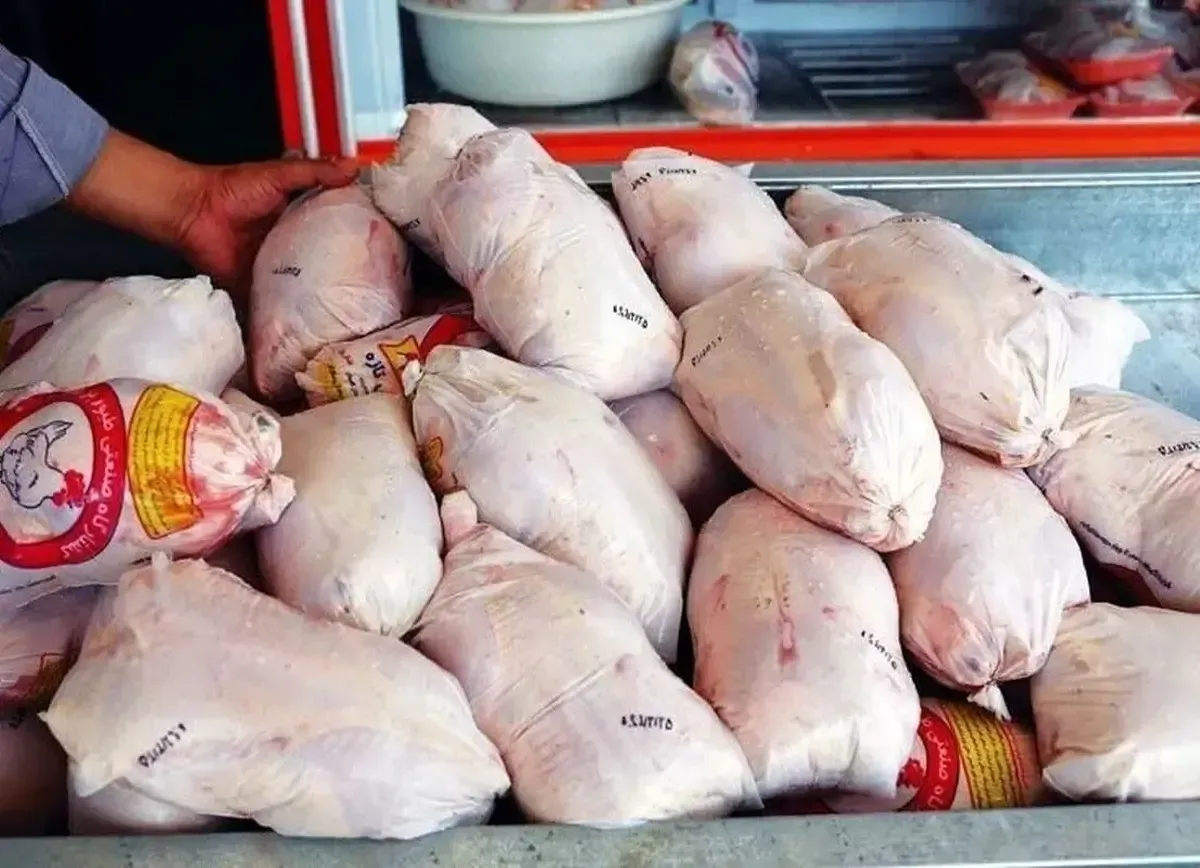
Iran’s poultry market is facing a supply glut that has pushed chicken prices below production cost and intensified financial pressure on farmers. Eghtesad Online reported that chicken continues to be offered at 228,000 tomans per kilogram, while the official price for fresh whole chicken at Tehran’s municipal fruit and vegetable markets is 250,000 tomans per kilogram.
The gap amounts to 22,000 tomans per kilogram, or almost 9% of the official Tehran market price. The comparison does not establish a single nationwide price, but it illustrates the discount required to clear excess product. Falling prices have improved consumers’ purchasing power, according to the reports, yet the same movement has reduced the revenue available to producers for each kilogram sold.
Farmers report losses of 700 billion tomans a day
Poultry farmers say they are selling chicken below its production cost and collectively losing 700 billion tomans per day. No detailed production-cost benchmark, calculation method or breakdown of the reported losses was provided in the available source material. Even so, the scale of the claim points to acute pressure on farm cash flow if below-cost sales continue.
Chicken production carries costs before birds reach the wholesale or retail market, while a perishable product gives suppliers limited time to wait for better prices. When current supply exceeds demand, producers and distributors must either accept discounts or find other outlets for the surplus. The reported price of 228,000 tomans suggests that sellers are prioritising the movement of available stock despite the effect on margins.
Production cuts become the market’s main adjustment risk
A prolonged period of losses would make continued output at current levels increasingly difficult. Farmers can respond to weak prices by reducing new production cycles, although the available reports do not indicate whether cuts have begun or how much capacity may be affected. The timing matters because a reduction in placements would influence supply only after the production cycle advances.
For processors and poultry buyers, abundant supply offers lower near-term procurement prices. For farmers, however, the difference between the market price and production cost can quickly erode working capital. Traders and distributors also face the risk that today’s surplus is followed by tighter availability if producers reduce output broadly.
Market direction depends on how quickly the surplus clears
The central question is whether current prices stimulate enough additional consumption to absorb excess chicken before farmers make substantial production cuts. Stronger household demand may help clear stocks, but the reported daily loss indicates that higher sales volumes alone may not restore producer margins when each kilogram is sold below cost.
The source material provides no forecast for prices, production or the duration of the glut. Market participants will therefore be watching whether the 228,000-toman offer level persists, whether the official 250,000-toman benchmark changes and whether farmers begin limiting output. Those indicators will determine whether the imbalance remains a short-lived surplus or develops into a sharper contraction in Iranian poultry production.