Iranian poultry consumption falls as chicken prices outpace household purchasing power
Iran’s per-capita chicken consumption has fallen by more than 25% over six years as prices increased sharply. The decline has continued despite food-credit support, leaving the poultry market with an imbalance between supply and demand.
Consumption falls despite food support
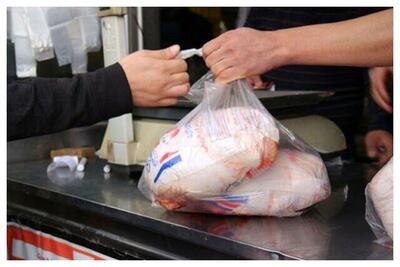
Iran’s per-capita chicken consumption has declined sharply as rising prices erode household purchasing power, creating an imbalance between supply and demand in the domestic poultry market. According to Vista, the country’s poultry federation reported a decline of between 25% and 30%, even though chicken was included in the food-credit programme in 1405.
The contraction is significant because chicken is a central source of animal protein for Iranian households. It represents 97% of the meat in the household consumption basket, while the Ministry of Agriculture says per-capita chicken consumption is three times that of red meat. The fall in demand therefore points to pressure on a staple food rather than a shift away from a marginal product.
Per-capita consumption drops below previous levels
Official figures cited by Vista show that annual per-capita chicken consumption fell from about 32 kilograms in 1399 to approximately 24 kilograms in 1404. That represents a decline of more than 25% over six years. The Broiler Breeders Association offers an even lower estimate, saying consumption has dropped below 21 kilograms per person.
The difference between the official estimate of around 24 kilograms and the industry association’s figure of less than 21 kilograms adds uncertainty over the precise scale of the contraction. Both measures, however, show the same direction: households are buying materially less chicken. The poultry federation’s reported 25%-30% decline in 1405 indicates that the downward trend continued even after food-credit support was allocated to the product.
Price surge disrupts market balance
The decline in consumption coincided with a steep rise in chicken prices following the removal of the preferential exchange rate in 1404. Vista reports that the average price increased from 100,000 tomans per kilogram to more than 270,000 tomans. The upward movement continued in 1405, with the current price reaching approximately 360,000 tomans per kilogram.
On those quoted price points, chicken has become 260,000 tomans per kilogram more expensive since the beginning of 1404 and now costs 3.6 times its earlier average. Vista describes the cumulative price jump as approximately 350%. Regardless of the way the percentage is calculated, the reported increase substantially exceeded the decline in consumption and placed additional pressure on household food budgets.
For poultry producers and processors, weaker consumption creates a risk that output will exceed the volume the domestic market can absorb at prevailing prices. Traders and retailers also face a more difficult sales environment because further price increases may deepen the demand contraction. Food-credit support has not prevented the fall in per-capita consumption, suggesting that the value or coverage of the assistance has been insufficient to offset the price rise. Restoring balance will depend on whether household purchasing power, chicken prices and production volumes can move back into closer alignment.