Iranian port restrictions cloud Oshnavieh’s 200,000-ton apple harvest
Oshnavieh expects more than 200,000 tonnes of apples this year, 20% above last year, but weak demand and export constraints are pushing wholesale prices down. Growers face high production and storage costs, while the two-month harvest supports at least 4,000 seasonal jobs.
Production rises as market access narrows
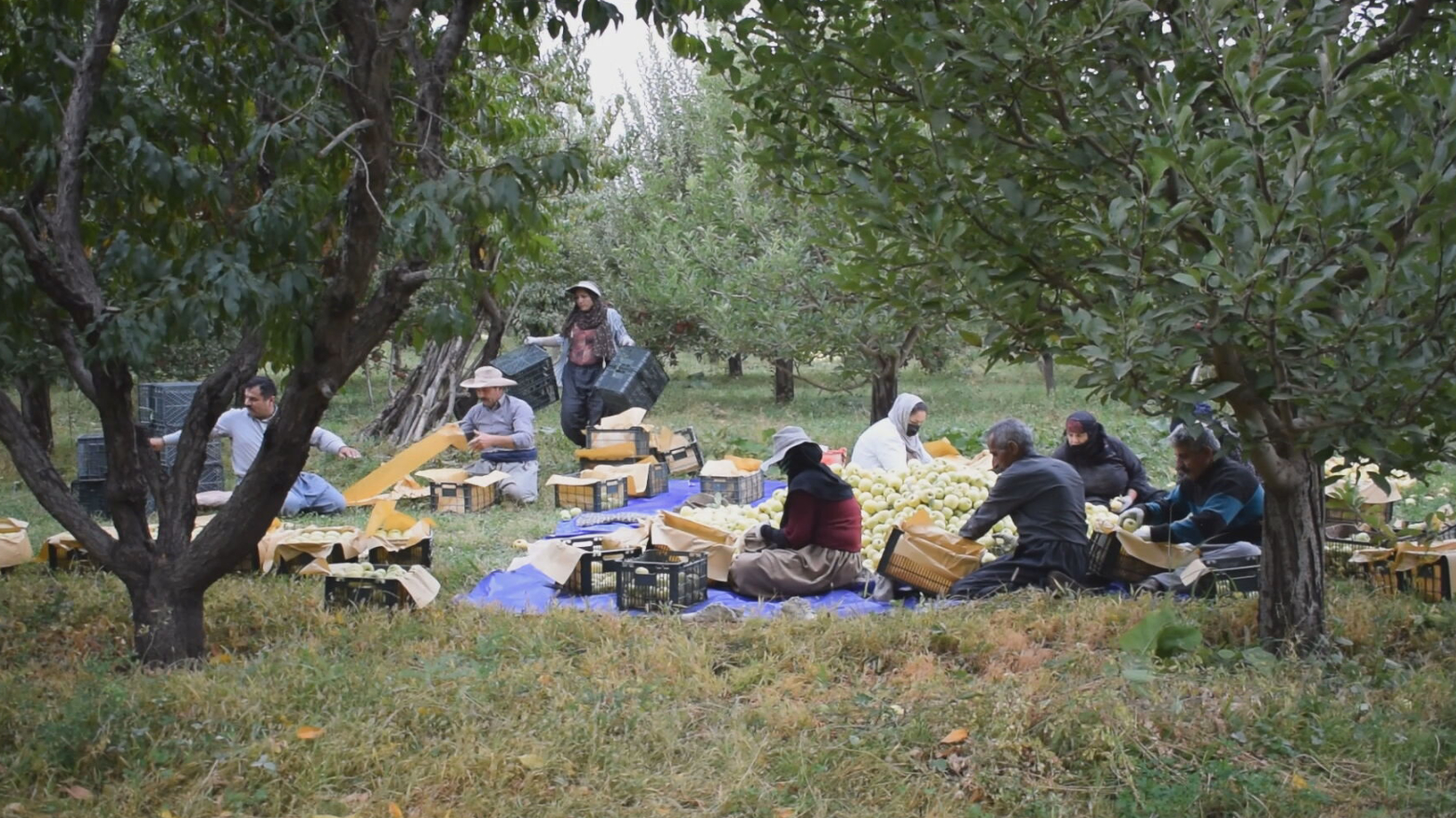
Apple growers in Oshnavieh, in northwestern Iran, have begun harvesting a crop expected to exceed 200,000 tonnes, according to Kurdistan24. Favorable weather and improved orchard management lifted production by 20% from last year, but the larger harvest is arriving as domestic demand weakens and exporters face restricted access to established foreign markets.
The county has more than 11,000 hectares of apple orchards. Red and yellow varieties dominate production, alongside a locally recognized dark-red apple known as “Khouni.” Oshnavieh apples have traditionally been sold within Iran and shipped to Turkey, Iraq, the Kurdistan Region and Gulf markets.
Access to those destinations is now less certain. Kurdistan24 reported maritime restrictions and speculation about disruptions affecting Iranian ports and shipping routes. Growers fear that prolonged interruptions could close the seasonal window for Gulf sales and leave more fruit in cold storage.
Prices fall while storage costs rise
The increase in supply has coincided with a shortage of buyers. Citing the Oshnavieh agricultural authorities, Kurdistan24 said wholesale apple prices in fruit and vegetable markets had declined by 8% because supply was exceeding demand. Domestic traders are also purchasing cautiously as pressure on household finances limits consumption.
Growers must decide whether to sell immediately into a weak market or pay to hold fruit for winter and spring. Oshnavieh has about 50 cold-storage facilities with capacity for more than 120,000 tonnes of apples. That infrastructure can delay sales, but farmers said they may need to cover at least three to four months of storage costs, potentially erasing their profit after the fruit is sold.
The storage network also cannot absorb the entire harvest. Around 40,000 tonnes are expected to be directed to domestic markets at low prices. Some fruit is already falling beneath the trees, while growers report sharp increases in the cost of inputs, including pesticides and crop-protection chemicals. The larger crop therefore does not necessarily translate into higher income.
Seasonal workers share the pressure
The harvest begins each year in the first month of autumn and lasts about two months. It provides direct employment for at least 4,000 local workers and laborers arriving from other cities in the Mukriyan area. The combination of rising living costs and low net wages, however, has caused dissatisfaction among workers.
Harvest worker Morad Ghaderian told Kurdistan24 that the daily rate was set at 2.5 million tomans. Of that amount, 500,000 tomans goes to the crew supervisor and transport, leaving the worker with 2 million tomans for a day of physically demanding labor.
Growers in Urmia province have asked government bodies to facilitate exports of apples exceeding domestic consumption. Faster access to neighboring and Gulf markets could ease pressure on wholesale prices and reduce storage needs. Without that access, Oshnavieh’s 20% production increase risks intensifying competition among growers, compressing farm margins and limiting the benefit of a harvest that would otherwise support thousands of seasonal workers and a substantial local storage industry.