Iran Plans Second Support Purchase of 30,000 Tonnes of Chicken
Iran has started a second support-purchase phase for chicken, targeting 30,000 tonnes from 23 Shahrivar. The intervention follows the purchase of approximately 40,000 tonnes during the first phase in Tir.
Second purchasing phase begins
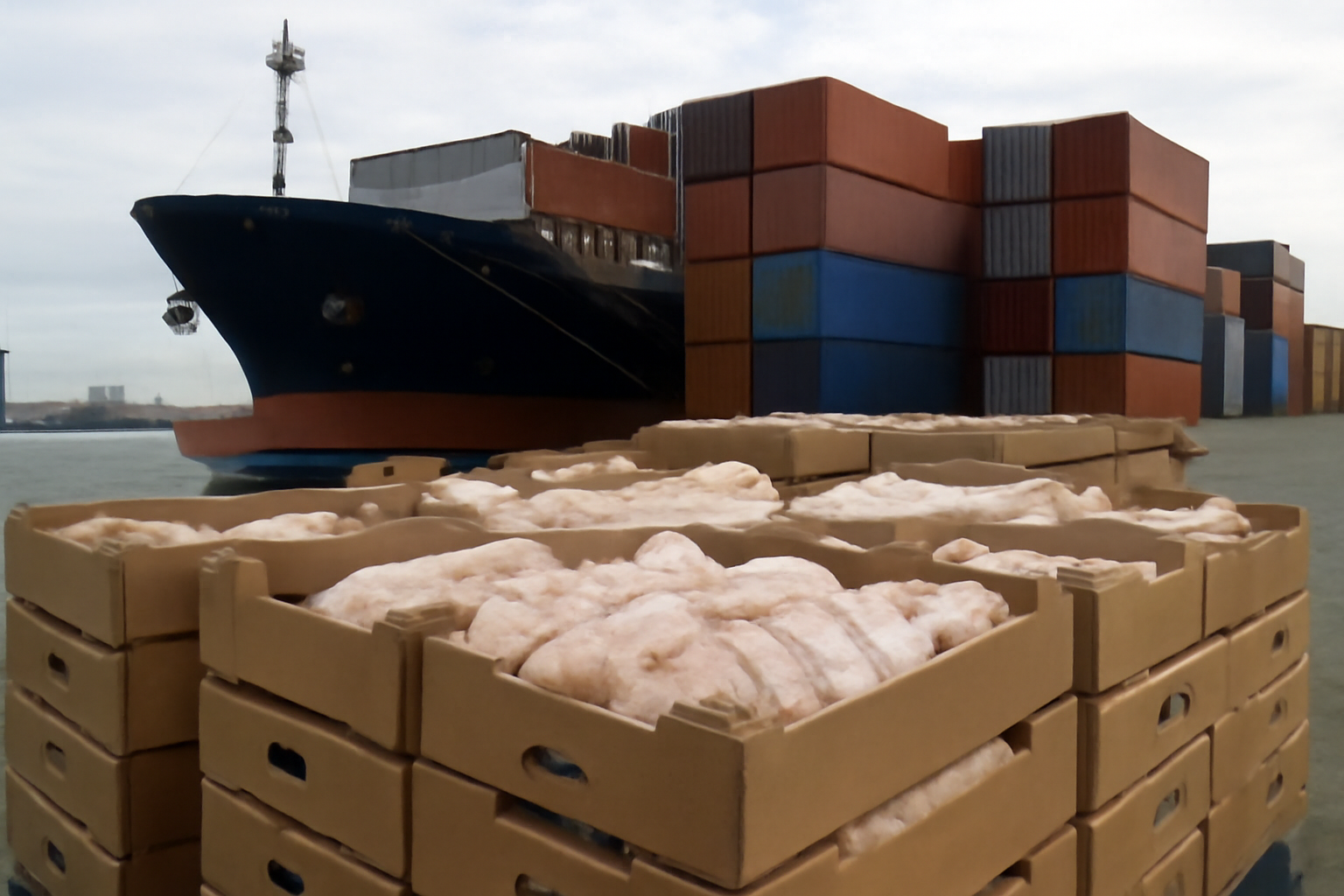
Iran has begun a second phase of support purchases for chicken meat, with 30,000 tonnes included in the programme. A government official said the new round started on 23 Shahrivar, following an earlier intervention in Tir.
Approximately 40,000 tonnes of chicken were purchased during the first phase. If the second programme reaches its stated target, the two rounds will cover about 70,000 tonnes in total. The available information does not identify the purchasing agency, provide a completion date or specify the prices offered to suppliers.
Intervention targets market supply
Support purchasing gives the authorities a way to absorb poultry that would otherwise remain in commercial channels. Removing up to 30,000 tonnes during the new phase could reduce immediately available inventories and ease pressure on producers when market supply exceeds demand. The effect will depend on how quickly the purchases are completed and how large the programme is relative to Iran’s current chicken output and stocks.
The first-round volume provides the clearest benchmark for the scale of the intervention. The second target is 10,000 tonnes smaller than the approximately 40,000 tonnes previously purchased, equivalent to a planned reduction of roughly one quarter between the two rounds.
No producer price, wholesale price or purchase price was disclosed. That makes it impossible to quantify the programme’s direct effect on market quotations or poultry-company margins. Its practical impact will also depend on eligibility rules, regional allocation and whether the purchased meat is stored, redistributed or released back into the market later; those details were not included in the announcement.
Producers and inventories in focus
For poultry producers and processors, the pace of procurement will be as important as the headline volume. Rapid purchases can remove saleable meat from the market over a shorter period, while slower procurement spreads the effect across a longer production cycle. Participation conditions will determine which suppliers receive the most immediate benefit.
The programme also creates an inventory-management issue. Chicken bought under a support scheme does not disappear from the supply balance. If held in storage, it can become a reserve for later distribution; if returned to commercial channels, the timing and volume of release may again influence prices and private inventories.
For traders and market analysts, the next key indicators are the amount actually purchased against the 30,000-tonne target and any disclosure about storage or subsequent sales. The initial phase shows that Iran can procure a substantial volume, but the price effect of the second round cannot be assessed without data on market supply, demand and the terms of purchase.